
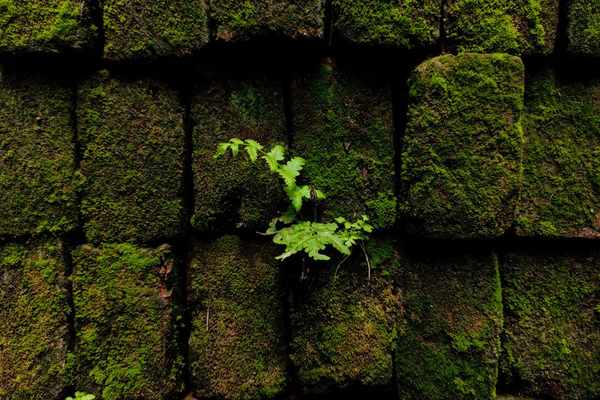
Is moss green paint colour right for a calm room?
Moss green paint colour is a subdued green with gray, olive, or slightly blue undertones that feels grounded rather than vivid. It suits bedrooms, living rooms, and studies when balanced with lighter ceilings and trim. Sample it on two walls first: north-facing daylight can flatten it, while south-facing sun reveals more warmth.
A moss-green room succeeds when you choose a specific paint, not just a photograph of a leafy wall. Window direction, painted area, and existing furniture determine whether the result feels restful or heavy.
Definition: Moss green is a medium-to-deep, low-saturation green influenced by gray and yellow-green or blue-green undertones. It describes a color family, not a standardized formula; two cans described as moss green can look different on the same wall.
What undertones define a moss green?
A believable moss green has a softened green base, usually with gray and either yellow-olive or blue in the mix. A yellow-leaning sample reads earthier in direct sun, while a blue-leaning one appears cooler beside northern windows.
Start with Sherwin-Williams Dried Thyme SW 6186 (#7B8372) on the main walls. It is a grayed green with enough depth for a calm living room, but should be sampled before covering a whole space.
#7B8372 · Sherwin-Williams Dried Thyme SW 6186
North-facing daylight emphasizes its cooler gray side; strong south-facing sun brings out more green and warmth. Allow about 60 percent of the painted surfaces for this main wall color.
Hold a sample against your flooring and upholstery instead of judging it on a phone. Hex values are digital guides, not exact paint matches. Inspect existing orange-toned finishes beside the green at midday and after the lamps go on; those surroundings can change how the color reads.
The group of earthy green paint colours spans several undertones. If your search began with forest green paint colour, use a physical paint sample to judge actual depth rather than relying on that descriptive label. Explore paint colour olive green for yellower versions or sage green paint colours for grayer, lighter ones. The green paint colours guide puts those related directions in context.
Test the undertone in your room
Paint two 24 x 24 in patches on different walls, 12 in away from trim or a window casing. Follow the manufacturer’s coating and drying instructions; check both areas in morning, afternoon, and evening light. A patch that becomes nearly black after sunset suggests more lighting or less green coverage is needed.
Which rooms suit moss green best?
Bedrooms, living rooms, and studies suit moss green when ceilings stay light and lamps illuminate the walls. Dining rooms can carry deeper treatment, but windowless bathrooms and narrow hallways are less forgiving places to begin.
Living rooms and bedrooms
In a 12 x 15 ft living room, begin with the focal wall and one adjacent wall instead of painting everything immediately. Keep a clear doorway view and some visible floor. If the room doubles as an office, light the wall behind your monitor so it does not disappear into shadow after dark.
The wall behind a bed gives the shade a purpose. A queen bed is typically 60 in wide, so a painted wall 10 to 12 ft across leaves a visible border around its headboard. Provide a usable reading light on each side rather than relying on a single ceiling fixture.
Dining rooms and small spaces
A dining room used mainly at night needs light aimed toward the vertical surfaces, not just the tabletop. Inspect a test patch under the actual bulbs. For a compact entryway, consider one painted wall instead of wrapping the ceiling and doors; furniture and circulation should remain practical.
- Wall sample rectangle 24 x 24 in
- Sample distance from trim 12 in
- Sofa to coffee table 16 to 18 in
- Main living-room walkway 30 in minimum
- Artwork center above floor 57 in
What colors and materials pair well with moss green?
Keep supporting painted surfaces lighter than the main green, reserving the deepest accent for a small area. Sherwin-Williams Alabaster SW 7008 (#EDEAE0) is a purchasable choice for ceilings, trim, and walls that need to reflect more daylight.
#EDEAE0 · Sherwin-Williams Alabaster SW 7008
In northern rooms it can appear less creamy; southern sunlight makes its warmth easier to see. Use it for roughly 30 percent of painted surfaces, mainly the ceiling and trim.
For a built-in, cabinet, or interior door, Sherwin-Williams Oakmoss SW 6180 (#646C4E) adds depth within the same color family. Keep this accent where a window or lamp can illuminate it, as it reflects relatively little light.
#646C4E · Sherwin-Williams Oakmoss SW 6180
Northern exposure makes this olive green denser and grayer; southern sun reveals its yellow-green undertone. Limit it to about 10 percent of painted surfaces.
This is a usable 60/30/10 scheme, measured by visible painted area rather than floor space. Northern rooms may need less green and more of the light supporting paint to avoid gloomy corners. Southern rooms can show the green undertone clearly, although direct sun may create glare on shiny finishes.
White oak furniture, linen upholstery, and brushed brass hardware introduce texture without demanding another wall color. Bring actual wood and fabric samples beside the paint: veneers vary, and metallic finishes reflect light differently. Let furniture you already own guide purchases instead of replacing everything to suit the photograph.
Use a finish suited to daily life
In a busy family room, an eggshell wall finish is a practical choice when the manufacturer rates the product for routine cleaning. For trim and cabinets, follow the paint manufacturer’s recommended product and preparation. Test the chosen sheen because window reflections affect how deep the green appears.
How does moss green change in north-facing and south-facing light?
North-facing daylight cools and grays this green family, making dark walls seem heavier. South-facing daylight brings warmth and definition, especially at midday, but can emphasize olive undertones.
These are starting expectations, not guarantees. Overhangs, trees, window sizes, and electric bulbs change actual light; the table shows what to examine when holding the three samples beside your furnishings.
| Painted surface or material | North-facing room | South-facing room |
|---|---|---|
| Dried Thyme main walls, 60% | Cooler, grayer, visually denser | Greener, warmer, more distinct |
| Alabaster ceiling and trim, 30% | Less creamy; outlines dark walls | Warmer; softens contrast |
| Oakmoss cabinet or door, 10% | Deep and shadowed; needs light | Olive undertone becomes clearer |
| White oak and linen furniture | Can look cooler in indirect light | Grain and fabric show warm highlights |
Check the scheme after sunset
Photograph the samples from the same doorway in morning, afternoon, and evening, but trust your eyes over the images. Phones often brighten dark walls automatically. In a room with only northern windows, start with one wall. In a sunny room, inspect the boundary between direct light and shadow to judge the undertone.
A finished wall should look intentional during ordinary evenings, not only during one bright afternoon. If it loses definition at night, improve wall lighting or enlarge the area of lighter paint before extending the main green around the room.
When does moss green become too dark or impractical?
This approach fails when a room has too little daylight and no useful wall lighting. A narrow rental hallway with one weak ceiling bulb is not a sensible place for a nearly full-height, deep-green treatment. Dramatic photographs showing dark walls, ceilings, and furniture often depend on professional lighting, large windows, or image editing. Copying them into a small apartment can make doorways and corners look muddy.
Do not paint over peeling surfaces, water stains, or damp patches. Find and address the cause first; involve an appropriate professional if moisture persists. In a rental, obtain written permission before changing walls, cabinets, doors, or trim. A removable sample board is safer than risking your deposit.
Households with children or pets should also consider cleaning. A flat finish beside a busy dining table may show marks quickly. If the budget cannot cover primer, enough paint, surface preparation, and drying time, postpone the project rather than applying one thin coat over a contrasting wall. Color cannot rescue an inconvenient layout or defective surface.
Frequently asked questions
Is moss green too dark for a small bedroom?
Not necessarily, but it can feel heavy without a light ceiling and useful bedside lamps. Try one wall and inspect a large sample at night before expanding coverage.
Should the ceiling match the green walls?
In rooms with limited daylight, a lighter ceiling is the safer starting point. Matching the ceiling suits an intentionally enclosed look and needs enough lighting to work.
Which sheen works for a moss-green living room?
For a living room that needs frequent wiping, consider an eggshell finish if the paint manufacturer recommends it. Inspect a sample of the actual finish because sheen affects reflected light and apparent depth.
Can moss green work with furniture I already own?
Yes, but check the furniture’s actual finish beside the painted sample. Move the sample near flooring and large pieces at different times of day.
How long should I evaluate paint samples?
Give them several days, including a sunny period and evenings under your usual lamps. Let the paint dry according to the manufacturer’s instructions before deciding.
Choose a named green, give each painted surface a clear job, and judge samples in your real daylight and lamplight. A deliberate amount of color is more useful than an all-over treatment that works only in photographs.