
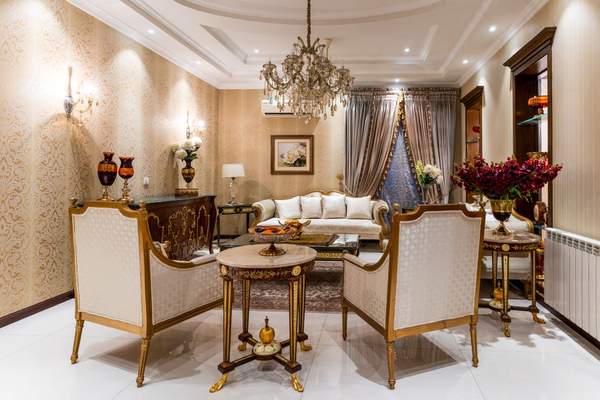
Traditional interior design is a warm, polished style built around comfort, symmetry, craftsmanship, and a sense of continuity with the past. It does not mean turning a home into a museum or filling every room with antiques. Instead, it combines familiar furniture shapes, balanced layouts, rich materials, and carefully chosen details to create rooms that feel settled, welcoming, and quietly elegant.
For anyone asking what is traditional interior design, the simplest answer is this: it is a design approach inspired largely by European interiors of the 18th and 19th centuries, adapted for modern daily life. The look values order without feeling cold, decoration without excessive clutter, and quality without requiring every item to be expensive.
Where Traditional Interior Design Comes From
Traditional interiors draw from several historical European influences, including English, French, and Georgian interiors. These sources introduced carved wood furniture, decorative moulding, formal seating arrangements, patterned textiles, and restrained colour palettes.
Modern traditional rooms rarely copy one period exactly. A comfortable sofa may sit beside a vintage-style table, while contemporary lighting and practical storage keep the room suitable for everyday use. This flexibility is one reason the traditional home style has remained popular.
The Main Features of Traditional Design
Balanced and Symmetrical Layouts
Symmetry is one of the clearest signs of a traditional room. Matching lamps may sit on either side of a console, two chairs may face a sofa, or artwork may be centred above a fireplace. The arrangement gives the eye a clear structure and makes the room feel calm.
Perfect matching is not required. The goal is visual balance. A tall cabinet on one side, for example, can be balanced by grouped artwork and a floor lamp on the other.
Classic Furniture Shapes
Furniture usually has recognisable, time-tested forms rather than experimental silhouettes. Rolled-arm sofas, wingback chairs, pedestal tables, upholstered dining chairs, and wooden chests suit a classic interior style. Legs may be turned or gently curved, while edges are often softened with carving or moulding.
The best traditional rooms mix substantial pieces with lighter ones. Filling every wall with dark, heavy furniture can make the space feel dated, so leave enough open floor area for the room to breathe.
Natural Materials and Fine Details
Wood is central to traditional design, especially oak, walnut, mahogany, and cherry tones. Stone, brass, ceramic, wool, cotton, linen, and leather also fit naturally. Details such as panelled doors, cornices, picture rails, piping, and pleated lampshades add depth without relying on novelty.
Craftsmanship matters more than perfection. A slightly worn wooden table or inherited cabinet can add more character than a flawless matching set.
Layered Colours and Patterns
Traditional palettes often begin with warm neutrals such as cream, beige, taupe, soft grey, or muted white. Deeper colours may appear through upholstery, rugs, curtains, and accessories. Navy, burgundy, forest green, rust, and warm brown pair especially well with wood.
Florals, stripes, checks, damasks, paisleys, and traditional rug motifs can work together when they share related colours. Combine one large-scale pattern, one smaller pattern, and one plain fabric.
What Traditional Interior Design Is Not
Traditional design is sometimes mistaken for anything old-fashioned. In reality, a successful room should feel composed rather than frozen in time. It does not require dark walls, ornate furniture in every corner, or perfectly matched sets bought at once.
It also differs from farmhouse style, which is more rustic and casual, and from maximalism, which intentionally uses a denser mix of colour and objects. Traditional design can include decorative layers, but each item usually supports an orderly scheme.
How to Create a Traditional Look at Home
Start With the Room’s Focal Point
Identify the natural centre of the room, such as a fireplace, window, bed, dining table, or media unit. Arrange the largest furniture pieces in relation to it, then build a balanced layout around them. This creates structure before decorative details are added.
Choose One Strong Traditional Element
You do not need to redesign everything at once. Begin with one defining feature: a patterned rug, wooden dining table, full-length curtains, classic sofa, or vintage-style mirror. Let that item guide the room’s colours and supporting pieces.
For a practical example, imagine a plain living room with a grey sofa and white walls. Add a warm-toned Persian-style rug, matching table lamps, curtains hung close to the ceiling, and a wooden chest as a coffee table. The room now reads as traditional even though the sofa and walls remain unchanged.
Mix Old and New Deliberately
A traditional room feels more natural when it contains pieces collected over time. Combine a modern sofa with an antique or reproduction table. Use updated LED bulbs inside classic lamps, or place contemporary family photographs in traditional frames. This preserves the traditional design meaning while keeping the home personal and functional.
Use Decoration With Restraint
Books, framed art, ceramics, candlesticks, trays, and cushions help a traditional room feel lived in. Group smaller objects instead of scattering them across every surface. Repeating a material or colour in several places will make the scheme feel connected rather than cluttered.
Natural internal linking opportunities include Traditional Interior Design, Interior Design Styles Explained, and Classic Living Room Ideas.
Can Traditional Design Work in a Small or Modern Home?
Traditional design works in flats, new-build homes, and small rooms when its principles are scaled appropriately. Choose slimmer furniture, lighter wood tones, and fewer decorative pieces. Use one statement pattern rather than several competing prints, and rely on symmetry to create order.
Architectural character can be suggested without major renovation. A ceiling rose, picture-frame moulding, substantial curtains, or a well-proportioned bookcase can give a plain room a more established appearance. Borrow the style’s balance and detail rather than reproducing every historical feature.
Frequently asked questions
What colours are used in traditional interior design?
Traditional rooms commonly use warm neutrals with deeper accents such as navy, green, burgundy, brown, or rust. Softer palettes also work when the room retains warmth, contrast, and visual balance.
Is traditional interior design outdated?
No. Oversized matching sets and excessive ornament can look dated, but traditional principles remain useful. Balanced layouts, natural materials, quality furniture, and layered textiles can feel timeless when combined with modern comfort.
What is the difference between traditional and modern traditional design?
Traditional design follows classic furniture shapes and historical references more closely. Modern traditional design keeps the symmetry, craftsmanship, and warmth but simplifies patterns, lightens the palette, and introduces cleaner contemporary pieces.
Can traditional and contemporary furniture be mixed?
Yes. The combination works best when pieces share a connection through colour, scale, material, or shape. A streamlined sofa can sit comfortably beside a carved wooden table when the overall layout remains balanced.
A Style Built to Last
Traditional interior design is less about following a rigid historical formula and more about creating a home that feels balanced, comfortable, and connected to familiar forms. Start with a clear layout, introduce natural materials, add pattern in measured layers, and choose pieces that appear collected rather than purchased as a single set.
The result should feel personal, not ceremonial. When classic details support the way you actually live, traditional design becomes what it has always been at its best: a flexible, welcoming style with lasting appeal.