
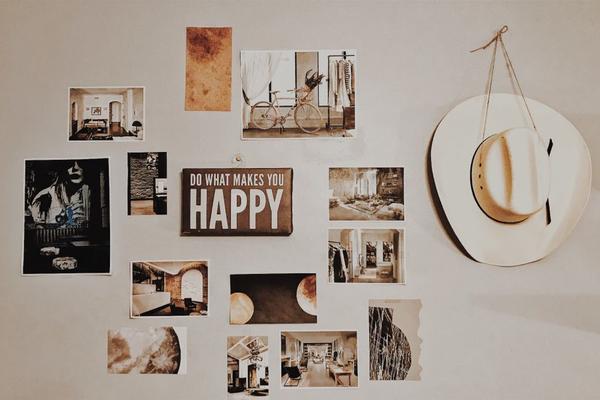
Rustic interior design is a warm, grounded style that celebrates natural materials, visible craftsmanship, and the imperfections that make a home feel lived in. Instead of aiming for glossy surfaces and perfectly matched furniture, it creates comfort through wood grain, stone, woven textures, aged finishes, and practical pieces with character.
For beginners asking what is rustic interior design, the simplest answer is this: it is a decorating approach inspired by rural homes, traditional cabins, farm buildings, and the natural landscape. A rustic room should feel relaxed rather than staged. It can be rugged and traditional, but it can also be light, modern, and refined.
What Does Rustic Interior Design Really Mean?
The rustic design meaning is often misunderstood as “old-fashioned” or “country.” Those descriptions can be part of the look, but they do not define it. At its core, rustic design values authenticity. Materials are allowed to look like themselves, so timber shows knots, stone keeps its uneven texture, and linen appears softly creased rather than sharply pressed.
Rustic interiors also favour permanence. A heavy dining table, solid wood bench, or hand-thrown ceramic bowl feels built to stay, which gives the room a comforting sense of stability.
The Key Features of a Rustic Interior
Natural Materials Take the Lead
Wood is usually the most recognisable element of a rustic home style. It may appear in exposed beams, flooring, furniture, wall panelling, shelving, or smaller accessories. Reclaimed timber works particularly well, although new wood with a matte, natural finish can achieve the same effect.
Stone, brick, clay, leather, wool, jute, rattan, and linen add depth. The goal is not to place every natural material in one room, but to choose a few and repeat them in a balanced way.
Texture Matters More Than Shine
A rustic aesthetic depends heavily on texture. Rough wood beside soft wool, smooth pottery beside a woven basket, or aged leather beside washed linen creates a layered room that feels inviting. Highly polished finishes can look out of place when they dominate, although small modern accents can provide useful contrast.
Colours Come From the Landscape
Rustic colour schemes usually begin with warm neutrals and earthy shades. Cream, oatmeal, taupe, warm grey, brown, clay, muted green, and charcoal are natural choices. Deeper tones such as forest green, rust, navy, or oxblood can add richness through cushions, rugs, artwork, or an occasional chair.
A white room can still feel rustic, but it usually needs timber, woven fabrics, and soft lighting to prevent it from appearing cold.
Furniture Feels Solid and Useful
Rustic furniture tends to have straightforward shapes and a substantial presence. Think of a farmhouse table, deep upholstered sofa, simple wooden stool, or old chest used as a coffee table. Pieces do not need to form a matching set. A collected mix often feels more convincing than furniture bought from one range.
Rustic Does Not Have to Mean Dark or Heavy
Traditional rustic rooms are associated with dark timber, large fireplaces, and cabin-like interiors, but that is only one interpretation. Modern rustic design combines natural materials with cleaner lines, lighter walls, uncluttered layouts, and contemporary lighting.
For example, a small living room could have warm white walls, an oatmeal sofa, one reclaimed-wood coffee table, a flat-weave wool rug, and two handmade ceramic lamps. The room feels rustic because of its materials and texture, not because it is filled with antlers, signs, or themed decorations.
How Rustic Style Differs From Similar Looks
Rustic Versus Farmhouse
Farmhouse interiors often include painted furniture, apron-front sinks, vintage kitchen details, and a brighter domestic feel. Rustic design can be more rugged and material-focused. The two styles overlap, but farmhouse rooms usually reference country living more directly.
Rustic Versus Scandinavian
Both styles appreciate wood, simplicity, and functionality. Scandinavian rooms are generally lighter and more minimal, while rustic spaces embrace heavier textures, aged surfaces, and visible weathering. [Scandinavian Interior Design Basics] is a natural internal-link topic for readers exploring the overlap.
How to Add Rustic Character Without Redecorating Everything
Begin with one anchor material rather than buying themed accessories. In a bedroom, that might be a timber bedside table. In a dining area, it could be a solid wood table. In a living room, a wool rug or reclaimed shelf can establish the direction.
Next, soften the room with natural textiles. Linen curtains, a wool throw, cotton cushions, or a jute runner introduce texture without permanent changes. Replace harsh lighting with warm bulbs and lamps at different heights. Rustic rooms are most successful when the evening atmosphere feels calm and comfortable.
Finally, edit rather than overfill. Three meaningful objects on a shelf usually look more authentic than fifteen mass-produced “rustic” decorations. A handmade vase, a stack of books, and a small wooden box can tell a clearer story.
For a practical weekend update, keep your existing sofa and wall colour, then add a textured neutral rug, one aged-wood side table, a linen lampshade, and a leafy plant in a clay pot. This creates a noticeable shift without turning the room into a costume set. Related internal-link opportunities include [How to Mix Wood Tones in a Room] and [Natural Materials for Interior Design].
Common Rustic Decorating Mistakes
The most common mistake is treating rustic style as a theme. Too many printed signs, imitation antiques, distressed finishes, or cabin motifs can make a room feel artificial. Another problem is using only brown. Add cream, muted green, black, soft grey, or clay tones to create contrast.
Practicality matters too. Choose finishes that can handle daily life, especially in kitchens, dining rooms, and homes with children or pets.
Frequently asked questions
Can rustic interior design work in a modern house?
Yes. Use a restrained mix of wood, stone, natural fabric, and warm colour while keeping furniture shapes simple. The contrast between modern architecture and tactile materials often makes both elements look stronger.
Is rustic style expensive?
It does not have to be. Second-hand furniture, reclaimed shelves, woven baskets, linen-look textiles, and simple pottery can build the style gradually. Spending more on one durable anchor piece is usually better than buying many decorative items.
What is the best colour for a rustic room?
There is no single best colour, but warm neutrals are a reliable foundation. Cream, beige, taupe, warm grey, and soft white pair easily with timber, stone, and earthy accents.
Can rustic and minimalist styles be combined?
They can. Keep the room uncluttered, choose fewer pieces, and let the texture of natural materials provide interest. This creates a calm modern rustic look without losing warmth.
A Style Built Around Warmth and Authenticity
Rustic interior design is less about copying a country cabin and more about choosing honest materials, useful furniture, and finishes that improve with age. Its appeal comes from warmth, texture, and a sense that the room developed naturally rather than being assembled all at once.
Start with one substantial natural element, add soft layers, and leave enough breathing room for each material to be noticed. That approach captures the rustic style basics while giving you freedom to make the look suit your own home.