
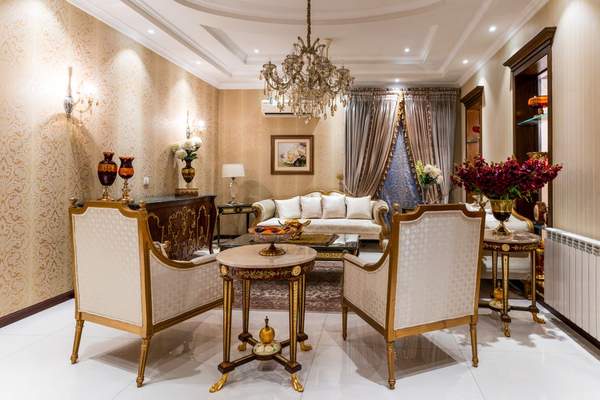
Traditional interior design is easy to recognise once you know what to look for. It is not simply a room filled with antiques or dark furniture. The style is built on balance, craftsmanship, familiar forms, and a sense of order that makes a home feel settled rather than trendy. By breaking the look into specific traditional interior design characteristics, you can identify which details create the effect and decide which ones belong in your own space.
The Defining Features of Traditional Interiors
1. Formal Symmetry
Symmetry is one of the clearest traditional style traits. Furniture, lamps, artwork, and accessories are often arranged in matching pairs around a central feature such as a fireplace, window, bed, or dining table. A practical test is to stand at the room entrance and look for visual balance on both sides. The pieces do not need to be identical, but their scale and placement should feel evenly weighted.
2. Classic Furniture Silhouettes
Traditional rooms favour furniture shapes with a long design history. Rolled-arm sofas, wingback chairs, pedestal tables, sleigh beds, and dining chairs with carved backs are common examples. These classic design features usually have graceful proportions and recognisable outlines rather than sharp, experimental forms.
3. Rich Wood Finishes
Dark or medium-toned woods such as walnut, mahogany, cherry, and oak often anchor the style. Polished surfaces, visible grain, and carefully finished edges add warmth and permanence. You do not need every piece to match; a room can combine several woods successfully when their undertones and overall level of formality are similar.
4. Architectural Moulding
Crown moulding, wall panelling, ceiling details, chair rails, and substantial skirting boards give traditional interiors a finished framework. These traditional design elements create depth even before furniture is added. In a plain modern room, adding simple picture-frame moulding to one wall can introduce a traditional character without a major renovation.
5. Layered, Warm Colour Palettes
Traditional colour schemes tend to feel warm, grounded, and gently complex. Cream, taupe, muted gold, burgundy, forest green, navy, and dusty blue are frequently used. Instead of relying on one bold accent, the palette is usually repeated through upholstery, curtains, rugs, artwork, and decorative objects.
6. Patterned Fabrics
Florals, damasks, stripes, checks, paisleys, and small-scale prints are key traditional interior design characteristics. The patterns may be mixed, but they usually share related colours or a similar level of formality. A reliable approach is to pair one larger statement pattern with a stripe and a quieter small print.
7. Substantial Window Treatments
Traditional windows are dressed rather than left bare. Full-length curtains, lined drapes, Roman blinds, pelmets, and decorative rods help frame the architecture. Fabric often falls generously to the floor, creating softness and visual height. For a lighter version, use simple pleated curtains in linen-look fabric while keeping the full-length proportion.
8. Detailed Upholstery
Piping, button tufting, pleats, nailhead trim, and tailored skirts add refinement to seating. These details signal craftsmanship and help even practical furniture feel considered. A single tufted armchair or neatly piped sofa can introduce this trait without making the room feel overly formal.
9. Oriental and Persian-Style Rugs
Patterned rugs commonly ground traditional rooms and connect multiple colours in one surface. Persian-inspired, Oriental, Aubusson, and bordered designs work especially well. The rug should usually be large enough to sit beneath the main furniture grouping, rather than floating as a small decorative island.
10. Statement Lighting with Classic Forms
Chandeliers, shaded wall lights, brass lamps, ceramic bases, and glass pendants provide both illumination and ornament. Traditional lighting often uses curved arms, pleated shades, or aged metal finishes. Matching table lamps on a console or beside a bed reinforce the style’s preference for symmetry.
11. Framed Art and Decorative Collections
Traditional homes often display landscapes, portraits, botanical prints, mirrors, books, ceramics, or collected objects. Frames tend to be wood, gilt, or subtly decorative. The arrangement should feel curated rather than crowded. For example, three botanical prints in matching frames can create a stronger traditional effect than many unrelated small pictures.
12. Quality Materials with Visual Weight
Leather, wool, velvet, silk, linen, stone, brass, and solid wood give the style its substantial feel. These materials age attractively and contribute texture without depending on novelty. Affordable rooms can recreate the effect by prioritising one or two convincing materials, such as wool-look curtains and a solid timber coffee table.
13. A Clear Focal Point
Traditional layouts are usually organised around a dominant feature. A fireplace, large window, bed, dining table, or significant artwork gives the eye a clear place to rest. Furniture then supports that focal point instead of competing with it. This is especially useful in a living room that currently feels scattered or directionless.
14. Refined Accessories
Accessories are decorative but controlled. Table lamps, candlesticks, trays, vases, clocks, cushions, and books are arranged in small compositions. Repetition helps: two similar candlesticks or a pair of ceramic jars will look more traditionally composed than a random assortment of objects.
15. Comfort Within a Formal Structure
The best traditional interiors are not museums. Their formality comes from proportion and arrangement, while comfort comes from deep seating, layered textiles, practical tables, and warm lighting. This balance is what makes the style enduring. A room can look polished while still supporting everyday reading, conversation, and family life.
How to Replicate the Style Without Redecorating Everything
Start with the room’s structure rather than buying accessories first. Establish a focal point, arrange the largest furniture symmetrically, and add a properly sized rug. Then introduce two or three classic design features, such as full-length curtains, matching lamps, patterned cushions, or framed botanical art. This staged approach prevents the space from becoming themed or cluttered.
For related guidance, natural internal links could point readers to: [Traditional Interior Design Guide], [How to Mix Interior Patterns], and [Choosing the Right Rug Size].
Frequently asked questions
What is the main characteristic of traditional interior design?
Its most recognisable characteristic is balanced formality. Symmetrical layouts, classic furniture shapes, layered fabrics, and refined details work together to create an orderly, established appearance.
Does traditional interior design have to look dark?
No. Although rich wood and deep colours are common, traditional rooms can use cream, pale blue, soft green, or warm neutral palettes. The style depends more on proportion, detailing, and classic forms than on darkness.
Can traditional and modern furniture be mixed?
Yes. A traditional room can include a clean-lined sofa or contemporary table when the scale, materials, and colour palette remain cohesive. Keep the layout balanced and use traditional textiles or lighting to connect the pieces.
How can I make a traditional room feel less formal?
Use lighter fabrics, fewer accessories, relaxed artwork arrangements, and comfortable upholstery. Retain the symmetry and classic shapes, but reduce heavy finishes and elaborate ornament.
Creating a Traditional Look That Feels Personal
Traditional design works because its ingredients are recognisable, adaptable, and rooted in comfortable living. You do not need all 15 characteristics in every room. Choose the traits that suit your architecture and routines, then repeat them with consistency. When balance, quality materials, classic detailing, and personal collections are combined thoughtfully, the result feels timeless rather than copied from another era.