
Rustic interiors are often described as warm, natural, and relaxed, but those words do not explain how the look works. The style is built from repeatable choices: honest materials, visible texture, practical furniture, and colours drawn from the landscape. Once you understand those choices, rustic decorating becomes much easier to apply without turning a room into a themed cabin.
The best rustic rooms feel collected rather than purchased all at once. A new sofa can sit beside an old timber chest, while a smooth plaster wall balances a rough stone fireplace. The aim is not to make every surface weathered, but to create contrast between modern comfort and materials that retain their natural character.
The 10 Core Rustic Interior Design Elements
1. Natural Wood with Visible Character
Wood is the foundation of most rustic interior design elements, but its finish matters. Look for grain, knots, colour variation, saw marks, or gently worn edges. Reclaimed boards, oak beams, pine furniture, and walnut accents can all work when they do not appear overly glossy or perfect.
You do not need timber everywhere. One substantial feature, such as a farmhouse table, exposed mantel, open shelving, or bedroom bench, can carry enough visual weight.
2. Stone, Brick, and Mineral Surfaces
Stone and brick give rustic rooms a sense of permanence. A fireplace surround, flagstone floor, exposed brick section, or slate hearth adds genuine depth. Limewash and clay-style plaster can create a softer mineral effect where structural stone is not practical.
In a small room, use masonry as a focal point rather than covering every wall. This adds one of the strongest rustic design features without making the space feel heavy.
3. An Earth-Grounded Colour Palette
Rustic schemes usually begin with shades found outdoors: warm white, oatmeal, sand, clay, bark brown, moss green, charcoal, muted blue, and iron grey. These colours support natural materials rather than competing with them.
Use pale neutrals across large surfaces, then introduce deeper tones through upholstery, painted cabinetry, rugs, and ceramics. Internal-link placeholder: [rustic colour palettes for every room].
4. Layered, Tactile Textiles
Texture makes a rustic room comfortable rather than bare. Linen curtains, wool throws, cotton ticking, jute rugs, leather, boucle, and knitted cushions contribute different surfaces. The strongest rustic texture ideas combine coarse and soft materials, such as a woven rug beneath a smooth leather chair.
Keep patterns restrained. Checks, narrow stripes, faded florals, and simple weaves usually work better than sharp, high-contrast prints.
5. Simple, Sturdy Furniture
Rustic furniture should look capable of everyday use. Tables often have thick tops, chairs show visible joinery, and storage pieces prioritise function over delicate ornament. Shapes may be traditional or contemporary, but they should feel grounded and well proportioned.
For example, build a practical dining room around a solid wooden table, comfortable upholstered or spindle-back chairs, and a low sideboard. This creates recognisable rustic style characteristics without relying on novelty signs or themed accessories.
6. Imperfect and Aged Finishes
Small imperfections stop rustic interiors from feeling sterile. Patinated metal, rubbed paint, softened leather, uneven glaze, and lightly distressed timber suggest use and history. Authentic wear is ideal, but well-made reproductions can work when the damage does not look exaggerated.
Use restraint. An antique cupboard against a freshly painted wall looks intentional; a room filled with heavily distressed furniture can feel staged.
7. Handcrafted and Artisan Details
Handmade objects bring individuality to rustic style. Consider wheel-thrown pottery, woven baskets, hand-forged hooks, carved bowls, stitched quilts, or locally made stools. Slight differences in shape and finish are part of their appeal.
Choose fewer, larger pieces instead of filling every shelf. A broad ceramic vessel with seasonal branches may add more presence than a row of small ornaments. Internal-link placeholders: [decorating with natural materials] and [how to style open shelves without clutter].
8. Warm, Layered Lighting
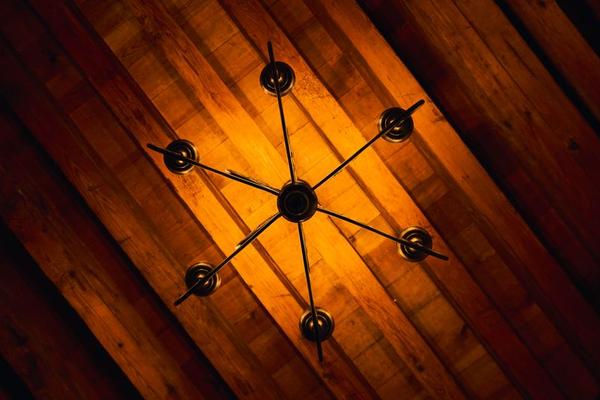
Rustic lighting should flatter texture and create pockets of warmth. Combine a ceiling fixture with wall lights, table lamps, or floor lamps rather than depending on one bright source. Fabric shades, aged brass, blackened steel, ceramic bases, and timber details suit the style.
Warm-white light generally complements wood, brick, and earthy paint better than cool, blue-toned light. Position lamps so light falls across grain, weave, or stone.
9. A Strong Connection to Nature
Rustic design is rooted in the natural environment, so rooms benefit from greenery and seasonal materials. Potted herbs, leafy branches, dried grasses, stacked firewood, or fresh flowers soften solid furniture and masonry.
Natural references do not have to be literal. Botanical artwork, landscape photography, woven fibres, and organic shapes can create the same connection without adding clutter.
10. A Collected Mix of Old and New
A convincing rustic interior rarely comes from one matching furniture range. Mix older pieces with modern comfort: an antique chest beside a streamlined bed, vintage stools at a new kitchen island, or a weathered mirror above a simple console.
Repeat a few materials or colours to keep the mixture coherent. Black metal might appear in a lamp, curtain pole, and cabinet handles, while warm oak is echoed in shelving and a side table.
How to Combine Rustic Elements Without Overdoing Them
Start with the architecture and the room’s purpose. Choose one dominant natural material, one supporting texture, and a limited earthy palette. In a living room, that might mean an oak coffee table, wool rug, linen curtains, and warm off-white walls. Add one aged or handcrafted object, then pause before introducing more.
Remove anything that exists only to announce the theme. Rustic rooms feel strongest when their beauty comes from useful materials and comfortable objects. The finished space should look lived in, not arranged for display.
Frequently asked questions
What are the main characteristics of rustic interior design?
The main characteristics include natural wood, stone or brick, earthy colours, tactile textiles, sturdy furniture, aged finishes, handcrafted details, warm lighting, nature-inspired accents, and a balanced mixture of old and new pieces.
Can rustic design work in a modern house?
Yes. Keep the architectural base clean and introduce rustic character through selected materials. One timber feature, a textured rug, warm lighting, and a few handmade objects can soften a modern room without making it feel old-fashioned.
What is the difference between rustic and farmhouse style?
Rustic design focuses broadly on raw materials, texture, nature, and craftsmanship. Farmhouse style shares those qualities but often includes more specific rural references, such as apron-front sinks, painted cabinetry, spindle chairs, and traditional checks.
How can I add rustic style on a small budget?
Prioritise texture and second-hand character. Refinish a wooden table, add linen-look curtains, display useful pottery, replace shiny hardware with a muted metal finish, and bring in branches or greenery. A few thoughtful changes are more effective than many themed accessories.
Creating a Rustic Room That Feels Personal
Rustic interiors succeed when natural materials and practical comfort lead. Start with wood, mineral texture, and an earth-grounded palette, then build depth through textiles, lighting, crafted objects, and pieces with history. You do not need all ten elements in equal amounts. Choose those that suit the room, repeat them thoughtfully, and leave enough visual space for their character to be noticed.