
What are the best light soup ideas for an easy meal?
The best light soup ideas pair broth, vegetables and a modest amount of protein or grains so the bowl feels satisfying without becoming heavy. Try chicken and rice, lemony lentil, tomato and white bean, vegetable noodle or egg-drop-style soup, then add bread, fruit or a small salad when you need a fuller lunch or supper.
Soup works well when you want a meal that is simple to portion and easy to adjust for appetite. The most useful approach is to build each bowl around broth, vegetables and one clear source of protein or starch rather than loading several rich additions into the same pot.
Which soups feel light but still make a complete meal?
A complete light soup needs enough substance to carry lunch or supper on its own, usually from beans, poultry, eggs, tofu, grains or noodles. Broth-only vegetable soup can be refreshing, but most people will need a protein or starch addition if the bowl is meant to replace a full meal.
For more everyday light ideas, keep the serving plan practical: choose the bowl size first, then decide whether the soup needs bread, fruit or another small side.
These light meal ideas are easiest to repeat because each one has a clear base and a simple way to make the serving more filling without turning it into a cream-heavy dish.
- Chicken, rice and vegetable soup: Clear broth, shredded chicken, rice and vegetables make an easy, substantial lunch.
- Lemon lentil soup: Lentils add body and protein; a small piece of bread can make it a fuller supper.
- Tomato and white bean soup: Beans give a simple tomato base enough substance for a meal without cream.
- Vegetable noodle soup: A modest amount of noodles adds structure while vegetables remain the main volume.
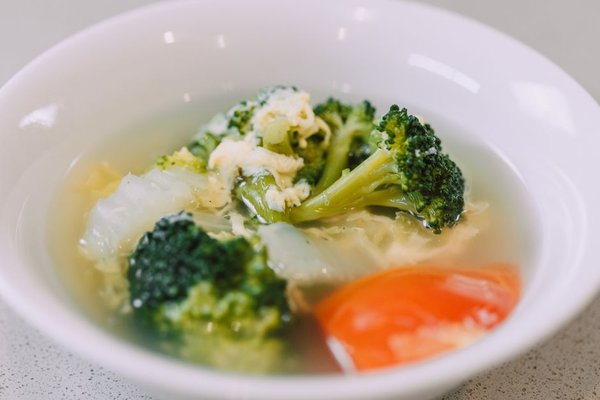
- Egg-drop-style vegetable soup: Stirred egg adds protein quickly while mushrooms, scallions or leafy vegetables round out the bowl.
- Chicken and corn soup: Shredded chicken and corn make a mild, practical combination that can be served alone or with a small side salad.
- White bean and greens soup: Beans provide the substance and leafy vegetables add volume, so the soup works as supper without needing a heavy topping.
- Turkey and barley soup: Lean turkey and barley make a useful cold-weather bowl that still feels lighter than a cream-based soup or stew.
If you are also planning light food ideas for several days, choose soups with different proteins so lunches do not feel repetitive.
Keep the serving setup simple
If you want a specific wall reference behind a dining nook, Benjamin Moore Pale Oak #D8CFC4 gives you an exact color to sample rather than a vague description. Use it only if it suits the room’s daylight and the existing finishes.
#D8CFC4 · Benjamin Moore Pale Oak
Reads warm and very slightly pink in south-facing light. In a north-facing room it drops noticeably grayer. Use it on walls and ceiling, roughly 60 percent of the room.
What proteins work well in lighter soups?
Chicken breast, turkey, beans, lentils, eggs, tofu and small portions of seafood all fit well because they add staying power without requiring a rich sauce. The best choice is the one that matches the broth and can be portioned consistently from bowl to bowl.
For light recipe ideas, think in terms of one main protein rather than several. A soup with chicken does not also need beans, cheese and a large grain serving unless you deliberately want a heavier meal.
Useful protein choices for everyday bowls
- Shredded chicken: easy to distribute evenly through broth and vegetables.
- White beans: practical for tomato, herb or vegetable soups and useful for meat-free meals.
- Lentils: they thicken the bowl naturally while still working with broth-based recipes.
- Eggs: useful when you need a fast soup and do not want to cook a separate protein.
- Tofu: works well in broth with mushrooms, greens, scallions or noodles.
- Turkey: a straightforward choice for leftover-based soups with barley, rice or vegetables.
If you want more structured healthy light meal ideas, start by making the protein visible in the bowl rather than relying on a garnish-sized amount. That makes the serving easier to judge and reduces the temptation to compensate with several rich sides.
Which light soups freeze well for later?
Bean soups, lentil soups, chicken-and-rice bases, turkey-and-barley soups and many clear vegetable soups are practical freezer choices. Soups with delicate noodles, large amounts of dairy or very tender greens are usually better finished after reheating rather than frozen fully assembled.
For convenient light supper ideas, freeze the soup in meal-sized containers so you can thaw only what you need. Cool cooked food promptly, use clean containers and follow current food-safety guidance for chilling, freezing and reheating.
Freeze the base when texture matters
Freeze the broth, vegetables and protein together, then add noodles, fresh herbs or tender greens when reheating. This helps protect texture and keeps pasta from absorbing too much broth in storage.
Label each container with the soup name and freezing date. For a household that eats different schedules, smaller containers are more practical than one large tub because they let each person reheat a single meal without repeatedly warming the rest.
How much soup should you serve per person for lunch or supper?
For a main-course lunch, start with about 16 oz of soup per adult; for supper, 18 to 20 oz is a practical starting point when soup is the main dish. If you are serving bread, fruit or a salad alongside it, you can keep the soup portion toward the lower end.
Bowl capacity matters because the same serving can look very different in a larger bowl. Choose the bowl first, leave enough headroom to carry it safely, and portion the soup consistently before adding sides.
| Serving point | Lunch | Supper |
|---|---|---|
| Main soup portion | 16 oz per adult | 18 to 20 oz per adult |
| Side soup portion | 8 to 10 oz per adult | 8 to 10 oz per adult |
| Best simple add-on | Fruit or a small piece of bread | Small salad or bread |
| Useful bowl capacity | 18 to 20 oz | 22 to 24 oz |
- Main lunch soup portion 16 oz per adult
- Main supper soup portion 18 to 20 oz per adult
- Small side soup portion 8 to 10 oz per adult
- Table place setting width 24 in per person
- Shallow cooling container depth 2 in
Match the sides to the bowl
With a 16 oz lunch serving, one small piece of bread or a modest fruit portion is usually enough to make the meal feel finished. With a 20 oz supper bowl containing beans, chicken, lentils or barley, adding several side dishes can quickly turn a deliberately light meal into a much larger one.
When do light soup ideas not work well as the whole meal?
They do not work well when the recipe is mostly flavored broth and vegetables but is presented as a complete dinner. That kind of bowl can look excellent in a photograph, especially in a small shallow dish with a few carefully placed garnishes, yet it may leave an adult hungry an hour later. The fix is not to make the bowl enormous; it is to add a clear protein or starch component and serve a realistic portion.
Very delicate soups are also poor choices for households that need food to sit on the stove for a long time. Noodles soften, tender greens collapse and eggs can lose their texture. If people eat at different times, hold back the delicate ingredients and finish each serving separately. Finally, do not assume every soup described as light suits every dietary need. Sodium, allergens and portion size still matter, so read labels on broth and packaged ingredients and adjust the recipe for the people actually eating it.
Frequently asked questions
Can a light soup be filling without cream?
Yes. Beans, lentils, chicken, eggs, tofu, rice or barley can make a broth-based soup satisfying without cream. Choose one or two substantial ingredients and keep the rest of the bowl simple.
What is a good side dish for a light soup?
A small piece of bread, a simple salad or fruit works well because it adds contrast without overwhelming the soup. Match the side to the bowl size rather than automatically serving several extras.
Are noodles suitable for a light soup?
Yes, especially when noodles are a supporting ingredient rather than most of the bowl. If you plan to freeze the soup, cook and add the noodles after reheating for a better texture.
Can I prepare light soup for weekday lunches?
Yes. Portion cooked soup into individual containers so each lunch is ready to reheat. Keep delicate garnishes or fresh herbs separate until serving.
How can I make leftover soup feel different the next day?
Change one finishing element rather than rebuilding the whole meal. Add fresh herbs, a squeeze of citrus, a small piece of bread or a different simple side while keeping the soup itself the same.
Good light soup ideas are less about making the bowl sparse and more about balancing broth, vegetables, protein and a sensible serving size. Pick a soup you can portion consistently, add only the side it genuinely needs, and you have an easy lunch or supper that is practical enough to repeat.
2 thoughts on “Light Soup Ideas for Lunches and Easy Suppers”