
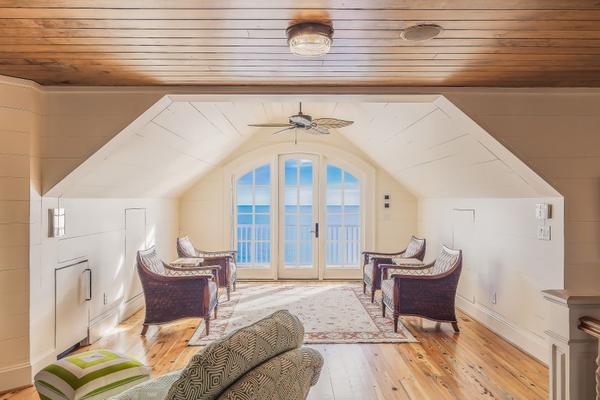
Coastal interior design is often described as “beach-inspired,” but that can be misleading. A well-designed coastal home does not need anchors on the walls, jars of shells on every shelf or furniture painted in obvious seaside blue. At its best, the style recreates the feeling of being near the coast: bright natural light, open space, relaxed comfort, weathered textures and colours borrowed from sand, sea, stone and sky.
So, what is coastal interior design? It is less about decorating with beach objects and more about creating a calm, breathable environment. The style can work far from the water as easily as it does in a beach house.
The Coastal Design Meaning in Simple Terms
The coastal design meaning can be summed up as light, natural and unfussy. Rooms feel airy rather than crowded, comfortable rather than formal, and connected to nature rather than driven by trends. The look often combines pale walls, natural fibres, soft fabrics, practical furniture and a restrained palette.
Coastal interiors also tend to feel lived-in. Linen can be slightly creased, wood may show its grain, and decorative pieces do not need to match perfectly. The goal is not an untouched showroom; it is a home that feels easy to use.
Coastal Style Is Not the Same as Nautical Style
Coastal and nautical design are related, but they are not identical. Nautical rooms often use recognisable maritime symbols such as ropes, anchors, ship wheels and navy-and-white colour schemes. Coastal design is subtler. It takes inspiration from the landscape and atmosphere rather than directly copying objects associated with boats or sailing.
A striped cushion or piece of sea glass can work as an accent, but it should not dominate the room. This is why a refined coastal home can feel timeless while a heavily themed room may quickly look dated.
The Core Elements of Coastal Interior Design
A Light, Nature-Based Colour Palette
White, warm ivory, soft beige, pale grey and sandy taupe commonly form the foundation. Blues and greens may appear as accents, while terracotta, coral or driftwood brown can add warmth. The most successful palettes reflect a real coastal landscape rather than relying on one bright “beach blue.”
Natural Light and Visual Breathing Room
Coastal rooms make the most of daylight. Window treatments are light and simple, furniture does not block windows, and surfaces are not overloaded with accessories. In a darker room, mirrors, pale finishes and a more open layout can still create a brighter impression.
Texture Instead of Excess Decoration
Because coastal colour schemes are often quiet, texture prevents the room from feeling flat. Linen curtains, cotton throws, jute rugs, woven baskets, ceramic lamps and timber with visible grain add depth without making the space visually busy.
Relaxed, Practical Furniture
The beach house style is associated with furniture that invites people to sit down and stay awhile. Sofas are comfortable, dining tables feel sturdy, and storage is practical. A simple neutral sofa can feel coastal when paired with natural materials and an uncluttered layout.
A Connection to the Outdoors
Plants and natural materials help, but the connection can also be created through colour and form. A rounded lamp may echo a smooth pebble, a textured rug may recall dune grass, and a faded blue cushion may suggest an overcast sea.
Different Versions of the Coastal Look
Coastal interior design is not one fixed formula. Modern coastal spaces use cleaner lines and fewer accessories. Traditional versions may include painted furniture and soft stripes. Mediterranean coastal interiors often bring in warm plaster tones and terracotta, while New England-inspired rooms may use navy, crisp white and tailored upholstery.
A Practical Room Example
Imagine a small living room with one north-facing window, a grey sofa and dark laminate flooring. Replacing everything is unnecessary. Paint the walls a warm off-white, add a natural-fibre rug, hang full-length linen-look curtains wider than the window, and introduce one woven basket for blankets.
Then add cushions in faded blue, sand and off-white, plus a ceramic lamp with a textured base. Keep the coffee table mostly clear. The room now expresses the coastal home basics through lightness, texture and restraint without using a single shell, anchor or seaside sign.
How to Bring Coastal Style into Your Home
Begin with the Background
Choose a calm wall colour and assess how light moves through the room. Before buying accessories, remove items that make the space feel cramped or overly formal. Coastal design often improves when fewer pieces are displayed with more intention.
Build a Natural Material Mix
Combine two or three textures rather than buying a complete matching set. Wood, linen, woven fibre, ceramic and glass work well together. Repeating one material in different places helps the room feel connected.
Add Coastal Colour in Layers
Use colour through cushions, art, rugs, bedding or pottery. This makes the scheme easier to adjust over time. A room does not need blue to feel coastal, but dusty, greyed or deep blue tones usually look more natural than one bright shade.
Choose Personal References
A framed photograph from a favourite shoreline, a vintage landscape painting or handmade pottery can give the room meaning. Personal references feel authentic, while mass-produced slogan signs can make the design seem forced.
Common Coastal Decorating Mistakes
The most common mistake is over-theming. Too many shells, ropes, signs and matching blue accessories can make a home feel like a holiday rental. Another mistake is using only cool white and blue, which may leave the room looking cold. Warm neutrals, timber and layered textiles provide balance.
It is also easy to confuse “light and airy” with “empty and uncomfortable.” Coastal rooms still need good lighting, storage, supportive seating and durable materials. The best spaces are practical first and decorative second.
Natural Internal Linking Opportunities
This guide can naturally connect to coastal living room ideas, the best coastal paint colours, and how to mix coastal and modern decor. These topics help readers move from understanding the style to applying it in specific rooms.
Frequently asked questions
What colours define coastal interior design?
Warm whites, sandy neutrals, soft greys, muted blues and natural wood tones are common. Sea green, terracotta or deeper navy accents can also work.
Can coastal design work far from the sea?
Yes. Coastal design is based on atmosphere, light, natural materials and relaxed living, not location. A home does not need an ocean view to use these principles.
Is coastal interior design expensive?
It does not have to be. Paint, decluttering, rearranging furniture and adding a few textured textiles can make a significant difference. Second-hand timber furniture often suits the style well.
How do I make coastal decor look modern?
Use cleaner furniture lines, limit decorative objects, choose a restrained palette and add contrast through black, charcoal or deep navy. Focus on texture and shape rather than obvious beach motifs.
A Calm Style Built Around Feeling
Coastal interior design is best understood as a way of shaping a room’s mood. It uses light, space, natural texture and an easy colour palette to create a home that feels calm and welcoming. Start with the room you have, simplify what feels busy, and introduce materials and colours that remind you of the coast in a subtle, personal way.