
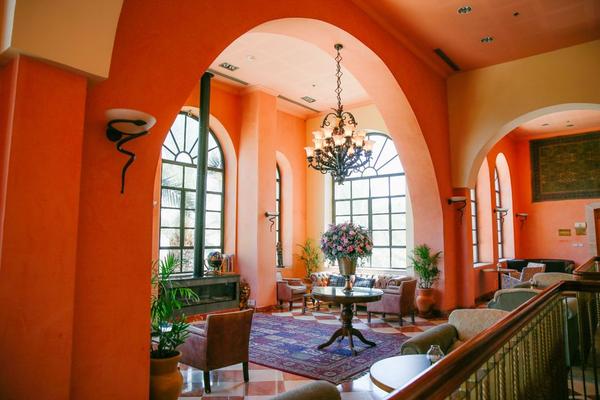
What is mediterranean style interior design?
Mediterranean style interior design uses tactile plaster walls, ceramic or terracotta tile, visible wood, breathable linen, and uncomplicated furniture to create a room that feels lived in and sunlit. Start with a restrained, testable paint palette, choose a few honest materials, and preserve clear walking space instead of filling the room with themed accessories.
The goal is not to recreate a vacation villa in a suburban house. Borrow the materials and proportions of coastal homes around the Mediterranean while keeping your own lighting, maintenance needs, and layout in mind.
Definition: Mediterranean interior style draws on homes from countries bordering the Mediterranean Sea, where shaded openings, durable surfaces, natural fibers, and simple furniture have practical roots. In a US home, it is a design approach rather than a historically exact replica. Think about texture, daylight, and circulation before buying decorative objects.
Which materials define Mediterranean interiors?
Plaster-like walls, ceramic tile, wood, and linen give Mediterranean rooms their recognizable character. Each material has a job: walls soften reflected light, tile handles wear, wood adds structure, and fabric makes the space comfortable.
Put texture where it helps
A painted wall with slight visual texture can suggest hand-finished plaster without deep grooves that collect dust. True lime plaster is a specialized finish, especially around moisture; consult an experienced installer about substrates and conditions. For a DIY update, painted drywall is more forgiving than an improvised plaster coating.
Tile belongs where it solves a problem: an entry, kitchen backsplash, or appropriately specified bathroom surface. Use products rated for the location. On shower floors, slip resistance, waterproofing, and correct installation matter more than an attractive handmade edge.
| Material | Best place to use it | Daily care and limitations |
|---|---|---|
| Plaster-look painted drywall | Living room or bedroom walls | Easy to repaint; texture makes patching less discreet |
| Glazed ceramic tile | Backsplash or rated wet area | Wipes clean; grout needs attention |
| Unglazed terracotta tile | Suitably rated interior floor | Porous; check sealing and upkeep |
| Solid or veneered wood | Tables, shelving, cabinets | Protect from water and harsh cleaners |
| Linen or linen-blend | Curtains and removable covers | Relaxed drape; wrinkles and care labels matter |
Do not buy all five materials for every room. A plaster-look wall, one wood table, and washable linen covers can establish the language without major renovation. Mediterranean interiors feel coherent when materials repeat deliberately, not when every surface competes.
What colors work in a Mediterranean-style room?
Use one dominant wall paint, one concentrated accent, and one smaller supporting color; let wood and tile provide the remaining visual interest. Sample all three in morning and afternoon light, because north-facing windows cool a scheme while south-facing windows intensify its warmth.
Choose paint by surface area
For walls and most of the ceiling, Sherwin-Williams Alabaster SW 7008, approximately #EDEAE0, is a practical starting point. Give it about 65 percent of the visible room so furnishings and texture remain legible.
#EDEAE0 · Sherwin-Williams Alabaster SW 7008
North-facing light can make it flatter and less creamy; south-facing light brings out its yellow warmth. Use on broad walls and ceilings, roughly 65 percent of the scheme.
For a painted niche, accent wall, or smaller cabinet surface, Sherwin-Williams Cavern Clay SW 7701, approximately #AC6B53, contributes a defined terracotta note. Limit it to around 15 percent instead of coating every wall.
#AC6B53 · Sherwin-Williams Cavern Clay SW 7701
North-facing light makes it appear deeper and more brown-red; south-facing sun strengthens the orange undertone. Keep it to about 15 percent of visible surfaces.
For a painted cabinet, secondary door, or small accent, Sherwin-Williams Sea Salt SW 6204, approximately #CDD2CA, provides a green-gray counterpoint. Aim for 10 percent and reserve the remaining 10 percent for unpainted wood, ceramics, and fabric texture.
#CDD2CA · Sherwin-Williams Sea Salt SW 6204
North-facing light pushes it toward gray-green, while south-facing light makes its green undertone clearer. Use on accents totaling roughly 10 percent of the scheme.
Those proportions describe visual balance, not how many gallons to purchase. Move a large sample board between the brightest wall and dimmest corner. Screen hex values are useful references but cannot reproduce sheen, substrate, or actual daylight; confirm the manufacturer’s physical chip before ordering.
How do plaster, tile, wood, and linen work together?
Give each material a different scale so the room has hierarchy rather than a showroom effect. Walls provide a calm background, tile protects a hard-working surface, wood anchors the layout, and linen softens seating and windows.
Repeat a texture before adding another
Start with existing floors and cabinets; replacing serviceable finishes to satisfy a style label wastes money. In a living room, a wood coffee table can echo a narrow console, while one ceramic tray references nearby tile without making every shelf a pottery display.
Hang linen-blend curtain panels to clear the floor by about 1/2 in, or use a washable blend if pets brush against them. Natural linen often creases; check cleaning instructions before purchasing. Thick fringe and tassels are not required for Mediterranean decor.
In a kitchen, let the backsplash be the one visually active tiled area. Plumbing, electrical, and waterproofing work needs properly qualified trades, not styling shortcuts. A decorative finish cannot compensate for an unprepared substrate or missing waterproof layer.
The broader style interior design guide helps when the rest of the house needs a consistent direction. If your home already has arches or patterned tile, spanish style interior design offers relevant context; a less textured scheme may align better with california interior design style.
What furniture shapes keep Mediterranean rooms relaxed rather than rustic-heavy?
Choose low, generous seating, softened table corners, and a few substantial pieces that leave open floor visible. Avoid artificially distressed furniture or anything so bulky that it blocks circulation.
Make curves useful, not theatrical
A lightly rounded sofa works with an oval coffee table and simple wood chair. One arched mirror is enough; adding curved shelving, scalloped lamps, and an arched headboard can feel theatrical. Mediterranean home style should still serve normal life.
In a 12 x 15 ft living room, start with a sofa around 78 to 84 in wide and an 8 x 10 ft rug that catches the seating’s front legs. Place the coffee table 16 to 18 in from the sofa edge and maintain a 30 in walking route around major furniture. Use painter’s tape to test the footprint before buying a heavy stone table.
- Sofa width in a 12 x 15 ft room 78 to 84 in
- Sofa to coffee table 16 to 18 in
- Main walking route 30 in minimum
- Rug beneath front sofa legs 8 x 10 ft
- Curtain hem above finished floor 1/2 in
Keep storage practical. A closed cabinet hides cables, toys, and paperwork without forcing everything into baskets. If you already own clean-lined pieces, try one tactile rug or upholstered chair before replacing furniture. Fewer, well-scaled purchases let the room’s architecture and daylight do more work.
When does a Mediterranean-inspired room not work?
The photographed version often relies on large south-facing windows, tall ceilings, and perfectly empty surfaces. A dark, 10 x 11 ft rental will not look the same after you add textured walls, a giant stone table, and floor-to-ceiling drapery. The more fixed finishes you copy, the harder the space becomes to clean or change later.
In north-facing rooms, dramatic accent paint can turn heavier than the online sample suggests. Test a large removable board for several days rather than covering a whole wall immediately. With children or pets, porous terracotta, delicate linen, and unsealed wood can become an expensive maintenance routine. Wipeable upholstery and a durable existing floor are more sensible, even if they photograph less romantically.
Renters should avoid adhesive tiles that may damage the finish beneath them, unauthorized wall coatings, or drilling into unknown services. If the budget is tight, keep serviceable surfaces and spend on movable lighting, curtains, and one properly sized table. A supposed Mediterranean room that blocks the doorway or cannot survive ordinary spills is a bad room, regardless of its appearance.
Frequently asked questions
Can a modern American house use Mediterranean details without remodeling?
Yes. Start with paint samples, simple wood furniture, linen-blend textiles, and one ceramic element. You do not need added arches or replacement floors.
Does Mediterranean furniture have to be antique?
No. A contemporary sofa with a grounded shape and uncomplicated wood table works well. Choose useful proportions instead of manufactured distress marks.
Are real plaster walls necessary for the style?
No. Standard painted drywall is sensible, especially in a rental or family room. Save specialist plaster work for a suitable surface and experienced installer.
Is terracotta tile suitable for every kitchen floor?
Not automatically. Check floor rating, slip resistance, porosity, and sealing instructions before purchase. A serviceable existing floor can stay while other materials establish the look.
How do I keep the room from looking overly themed?
Use a few distinctive shapes and repeat natural materials rather than collecting motifs. Keep pathways clear and ordinary functional pieces in place.
The strongest result comes from a few real materials, carefully sampled paint, and furniture that fits. Let the room’s light, existing surfaces, and daily use decide how far to take the Mediterranean influence.