
Is furniture rental for home staging worth using?
Furniture rental for home staging can make sense when an empty or poorly furnished property needs a complete, photo-ready layout without buying pieces outright. Compare the room package, rental term, delivery and pickup charges, replacement liability, furniture dimensions, and extension rules before choosing a provider.
Rental furniture works best when it solves a specific presentation problem: an empty living room, an undersized dining setup, a primary bedroom with no visual scale, or several rooms that need a coordinated look. Start with the rooms that influence listing photos and buyer circulation rather than filling every square foot.
What furniture rental packages are available for home staging?
Staging companies and furniture rental providers may organize inventory as room packages, multi-room packages, whole-home sets, accessory bundles, or individual pieces. The useful question is not how many items are included, but whether the package creates a complete layout without overcrowding the room.
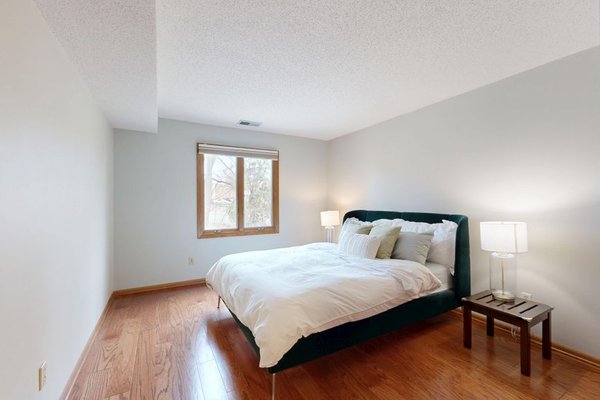
A living-room package commonly centers on a sofa, occasional seating, a coffee table, side tables, a rug, lamps, and restrained accessories. Bedroom packages generally focus on the bed presentation, bedside pieces, lighting, and enough supporting furniture to establish scale rather than imitate a fully occupied home.
If you are planning several spaces, use home staging furniture as the broader planning step before requesting a rental quote. Decide which rooms actually need furniture, measure them, and photograph doorways, stairs, elevators, and other access points before selecting pieces.
| Rental decision | Package-based rental | Monthly or flexible rental |
|---|---|---|
| Room coverage | Preselected pieces for one room or several named rooms | Pieces can usually be selected individually as needs change |
| Billing structure | Quoted around the defined package and stated staging period | Rental continues by billing period until the agreed return date |
| Furniture selection | More standardized because the pieces are assembled as a set | More control when a specific sofa, table, bed, or accessory is needed |
| Best use | Empty properties that need several complete rooms prepared together | Listings with an uncertain sale timeline or only a few missing pieces |
| Main risk | Paying for package pieces that the room does not really need | Paying additional rental periods if the property remains staged longer |
For a partially furnished property, home staging furniture rental may be more efficient when you can add only the missing pieces. In a completely empty property, a coordinated room or multi-room package can reduce the amount of individual selection required.
How are staging furniture rental prices calculated?
Rental pricing is usually built from the quantity and type of furniture, the length of the rental, and the work required to deliver, place, collect, and handle the inventory. A useful quote should separate recurring rental charges from one-time logistics charges so you can see what happens if the listing takes longer than planned.
Ask whether the quote covers furniture only or also includes rugs, lamps, artwork, bedding, and smaller accessories. A package that appears larger is not automatically better if several included items remain unused because the rooms cannot accommodate them.
Other cost drivers can include delivery distance, stairs, elevator access, difficult parking, installation labor, pickup scheduling, damage terms, and rental extensions. Before signing, calculate the likely home staging furniture rental cost for both the original term and one additional billing period so an unsold property does not create a surprise expense.
If the provider requires a security deposit, damage authorization, or replacement responsibility, ask for those terms in writing. Also confirm how cancellations, substitutions, early pickup, and extensions are handled before furniture leaves the warehouse.
Is monthly rental better than a fixed staging package?
Monthly rental is useful when the listing timeline is uncertain, while a fixed package can be easier to budget when the staging period is clearly defined. Neither structure is automatically cheaper because the better choice depends on how long the furniture remains in the property and which charges repeat.
Use the expected listing period as your baseline, then check the extension rule rather than assuming the home will sell before another rental period begins. If the provider bills another full month once a renewal date passes, a short delay in closing or pickup can materially change the total.
A fixed package deserves the same scrutiny. Confirm whether early pickup reduces the bill, whether the package can be extended without replacing the agreement, and whether unused pieces can be removed from the quote before delivery.
For properties that already contain usable pieces, temporary home staging furniture can keep the rental scope focused. It is often more practical to solve three obvious gaps than to replace an entire room simply to make every piece come from the same collection.
What delivery and pickup fees should you expect?
Delivery and pickup may be quoted separately from the furniture rental itself, and the amount can reflect distance, labor, building access, timing, and the number of pieces being moved. Request a written logistics total before approving the order instead of assuming transportation is included.
Give the provider accurate access information. A third-floor walk-up, restricted loading area, freight-elevator reservation, narrow stair turn, gated community, or long carry from the truck can affect the delivery plan even when the furniture itself fits the room.
- Delivery: Confirm whether the charge includes unloading, placement, and basic assembly.
- Pickup: Ask whether the return collection is already included or billed separately.
- Access: Disclose stairs, elevator requirements, loading restrictions, and limited parking before the quote is finalized.
- Scheduling: Check whether weekend, after-hours, rush, or rescheduled appointments create additional charges.
- Extensions: Find out how much notice is required if the furniture must remain beyond the original term.
Do not schedule pickup for the morning after an estimated closing date without checking how certain that date is. A short buffer can prevent a last-minute extension request, but the buffer should be agreed with the provider rather than assumed.
How do you compare rental furniture quality and room fit?
Judge rental furniture by condition, scale, comfort where relevant, and how well each piece supports circulation and listing photography. A visually impressive sofa is still the wrong choice if it blocks a walkway, compresses the seating area, or makes the room appear smaller.
Measure the room before browsing inventory. Record wall lengths, doorway widths, fireplace projections, floor vents, fixed cabinetry, and the clear path between major openings so the selected pieces can be placed without creating awkward bottlenecks.
- Sofa width for a typical staged living room 72 to 84 in
- Sofa to coffee table 16 to 18 in
- Main walkway behind seating 30 in minimum
- Dining chair pullback 36 in from the table edge
- Rug under living-room seating 8 x 10 ft in a 12 x 15 ft room
- Clear space beside a staged bed 24 in minimum
Photograph each room from the doorway and from the position where listing photographs are likely to be taken. Furniture that looks correctly scaled from the center of the room can still dominate the photograph if its nearest edge sits too close to the camera position.
If repainting is part of the staging work, Benjamin Moore Pale Oak #D8CFC4 can provide a specific backdrop instead of relying on an undefined color description. Keep it to about 60 percent of the visible room so furniture, flooring, fixed surfaces, and accessories still provide clear separation.
#D8CFC4 · Benjamin Moore Pale Oak
Reads warm and very slightly pink in south-facing light. In a north-facing room it drops noticeably grayer. Use it on walls and ceiling, roughly 60 percent of the room.
Always look at the paint in the actual room before committing. North-facing daylight can make Pale Oak #D8CFC4 appear noticeably grayer, while south-facing light can increase its warmer, slightly pink character, which changes how nearby rental upholstery and wood finishes read in photographs.
Condition matters as much as appearance. Check visible upholstery, table edges, lamp shades, rugs, drawer fronts, and hardware at delivery, and document any existing marks according to the provider’s process before the staging period begins. This is especially important with furniture rental for staging homes where several pieces arrive at once.
When does rental furniture not work well for home staging?
Rental furniture is a poor use of money when the property already has correctly scaled, presentable furniture and the rental would mainly replace acceptable pieces for stylistic consistency. It can also work badly in very small rooms, where a standard package may crowd circulation simply because the provider’s inventory was assembled for larger spaces. A deep sofa, two chairs, a coffee table, and large side tables may look complete in a catalog photograph but can make a compact living room feel smaller in person.
Be cautious when access is difficult, the sale timeline is highly uncertain, or the budget cannot absorb another rental period. Some staged arrangements also work only for the camera: chairs placed where nobody could comfortably walk, dining settings with inadequate pullback space, or beds squeezed against openings to create a symmetrical photo. Do not accept those layouts. Buyers will walk through the room, open doors, and judge usable space. If the existing furniture already shows scale clearly, editing and rearranging it may be more sensible than renting replacements.
Before accepting a full home staging furniture rentals proposal, walk through every room using the same paths a buyer will use. Open doors, pull a dining chair back, move between the sofa and coffee table, and confirm that the arrangement still works away from the camera.
Frequently asked questions
Can you rent furniture for only one room when staging a house?
Yes, providers may offer individual-room packages or separate pieces rather than requiring a whole-home installation. Measure the room first and request only the items needed to establish scale, function, and a complete listing-photo composition.
Should rental furniture stay until the house closes?
Not necessarily. The rental period should be based on the listing and showing strategy agreed with the seller and agent, while allowing for the provider’s pickup schedule. Check extension deadlines before the original term expires.
Can you mix owned furniture with rented staging pieces?
Yes, provided the pieces work together in scale and the resulting layout remains visually coherent. Mixing can reduce the amount rented when the home already contains usable beds, tables, seating, or storage pieces.
Who is responsible if staging furniture is damaged?
Responsibility is determined by the rental agreement, so read the damage, cleaning, deposit, and replacement terms before delivery. Document existing marks using the provider’s required procedure as soon as the furniture arrives.
How early should staging furniture be booked?
Book early enough to confirm inventory, measurements, delivery access, installation timing, and photography dates before the listing launches. Availability can affect which exact pieces are offered, so avoid building the room plan around unconfirmed inventory.
Furniture rental for home staging is easiest to evaluate when package scope, rental term, logistics, dimensions, and extension rules are considered together. Rent enough to make each important room readable and usable, but not so much that the staging itself begins to hide the property’s space.
2 thoughts on “Furniture Rental for Home Staging Compared by Package and Term”