
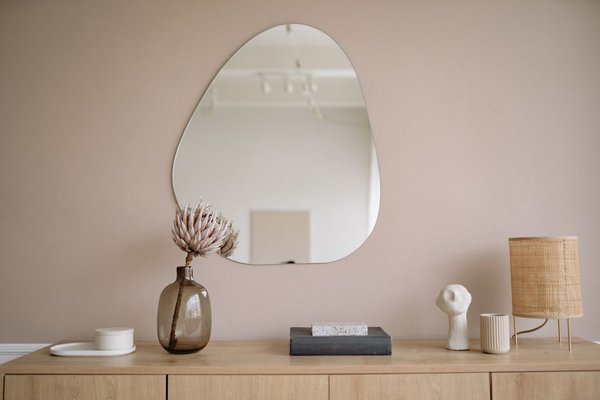
Walk into a truly minimalist home and the first thing you notice isn’t what’s there — it’s what isn’t. No clutter fighting for your attention. No mismatched furniture crowding the corners. Just space, light, and a handful of things that actually matter. That’s the whole idea behind minimalist interior design, and it’s a lot more approachable than most people assume.
If you’ve been scrolling through home decor photos and keep landing on those clean, airy, almost peaceful-looking rooms, you’ve already stumbled onto minimalism without realizing it. This guide breaks down the minimalist design meaning in plain terms, covers the minimalism basics you need to know, and shows you how to start building a minimalist home style — even if your space is currently anything but minimal.
What Is Minimalist Interior Design, Really?
At its core, minimalist interior design is about intentional simplicity. It’s not about owning nothing or living in a bare, sterile box. It’s about keeping only what serves a purpose or brings genuine value to a space, and removing everything that doesn’t.
The style traces back to Japanese aesthetics and mid-century modernism, both of which valued function, clean lines, and a sense of calm over decoration for decoration’s sake. Over the decades, that philosophy evolved into the minimalist look we recognize today: neutral color palettes, uncluttered surfaces, quality over quantity, and furniture that earns its place in the room.
Think of it this way — every item in a minimalist space should be able to answer the question, “Why am I here?” If the honest answer is “just because,” it probably doesn’t belong.
The Core Principles Behind Minimalism Basics
Once you understand the reasoning behind minimalism, applying it becomes much easier. Here are the foundational ideas that shape almost every minimalist interior.
Less, But Better
Minimalism isn’t about deprivation. It’s about choosing fewer, higher-quality pieces instead of filling a room with things that don’t add much value. A single well-made sofa will always outperform three mismatched pieces crammed into the same space.
Function First
Every object should do something. Decorative clutter that serves no purpose is usually the first thing to go. This doesn’t mean minimalist rooms are cold or purely utilitarian — it just means beauty and usefulness tend to go hand in hand.
Negative Space Matters
In minimalist design, empty space isn’t wasted space. It’s a design element in its own right. The breathing room between furniture pieces or on a bare wall gives the eye somewhere to rest, which is part of why minimalist rooms feel so calm.
A Restrained Color Palette
Most minimalist homes stick to a tight, cohesive color scheme — often whites, soft neutrals, warm woods, and the occasional muted accent color. This consistency is a big part of what makes the style feel so unified from room to room.
Key Elements of a Minimalist Home Style
If you’re picturing what a minimalist home actually looks like day to day, here are the elements that tend to show up again and again.
- Clean lines: Furniture and architecture with simple, straight, or gently curved forms rather than ornate detailing.
- Neutral tones: Whites, greys, beiges, and soft earth tones dominate, often layered with texture instead of pattern.
- Natural materials: Wood, stone, linen, and other organic materials bring warmth without adding visual noise.
- Hidden storage: Closed cabinets and built-ins keep everyday items out of sight, which helps surfaces stay clear.
- Purposeful lighting: Simple fixtures and plenty of natural light, rather than layers of decorative lamps.
- Limited decor: A few carefully chosen pieces — a piece of art, a plant, a ceramic bowl — instead of shelves full of trinkets.
Notice that none of this requires an entirely white room or a total absence of personality. Minimalism is flexible enough to feel warm, lived-in, and personal — it just asks you to be selective about what earns a spot.
Common Misconceptions About Minimalist Design
A lot of people hesitate to try minimalism because of a few myths that don’t really hold up once you look closer.
“Minimalism Means Everything Is White”
White is popular in minimalist spaces because it enhances light and creates a clean backdrop, but it’s not a requirement. Warm neutrals, soft greys, deep charcoals, and even muted greens or blues can anchor a minimalist room just as effectively.
“You Have to Get Rid of Almost Everything”
Minimalism isn’t about extreme decluttering for its own sake. It’s about keeping what you use and love, and letting go of what doesn’t add value. For some people that’s a dramatic shift; for others, it’s a fairly light edit.
“Minimalist Homes Feel Cold or Empty”
Done well, minimalist interiors feel calm rather than cold. Texture, natural light, and thoughtfully chosen materials do a lot of the work that clutter used to do — just without the visual chaos.
How to Start Bringing Minimalism Into Your Home
You don’t need to renovate or replace your furniture to start moving toward a minimalist home style. A few simple shifts can make a noticeable difference.
- Start with one room: Pick a space — a bedroom or living room works well — and clear every surface completely before deciding what actually goes back.
- Edit before you buy: Resist adding new decor until you’ve removed what you don’t need. Minimalism is about subtraction first.
- Choose a simple color story: Stick to two or three main tones throughout a room so it feels cohesive rather than busy.
- Invest in storage: Closed cabinets, baskets, and drawer organizers keep daily clutter out of view without forcing you to get rid of everything.
- Let furniture breathe: Leave gaps between pieces instead of pushing everything against the walls. Space is part of the design.
Small changes compound quickly. Clear one shelf, and the room already feels calmer. Clear a whole room, and you start to understand why so many people find minimalist spaces genuinely relaxing to live in.
Is Minimalist Design Right for Everyone?
Not necessarily — and that’s okay. Some people thrive in cozier, more layered spaces filled with collected objects and warm clutter, and there’s nothing wrong with that. But even if full minimalism isn’t your end goal, borrowing a few of its principles — better storage, fewer but better-quality pieces, more open space — can improve almost any home.
Minimalism works especially well for smaller homes and apartments, where visual clutter makes rooms feel cramped, and for anyone who simply wants their home to feel less demanding and easier to maintain.
Frequently Asked Questions
What is minimalist interior design in simple terms?
It’s a design approach that focuses on keeping only what’s necessary or meaningful in a space, using clean lines, neutral colors, and open areas to create a calm, uncluttered home.
Is minimalist design expensive?
Not necessarily. Because minimalism prioritizes fewer, better pieces over lots of decor, it can actually be more budget-friendly over time, especially if you build your space gradually.
Do minimalist homes have to be all white?
No. While white and light neutrals are common, minimalist homes can use warm tones, deep neutrals, or muted colors as long as the overall palette stays simple and cohesive.
How is minimalist style different from modern style?
Modern design refers to a specific design era and aesthetic, while minimalism is more of a philosophy that can be applied within modern, Scandinavian, Japanese, or even traditional interiors.
Final Thoughts
Minimalist interior design isn’t about following strict rules or living with as little as possible. It’s about being intentional — choosing pieces that matter, giving your rooms room to breathe, and letting go of the clutter that quietly adds stress to everyday life. Once you understand the minimalism basics, you’ll start noticing how much a little restraint can do for a space. And the best part is, you don’t need a full renovation to begin. Just start with one room, one shelf, one decision at a time, and let the rest follow naturally.