
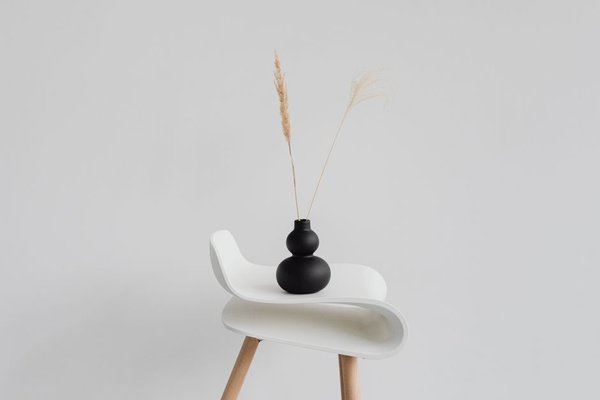
Minimalist interiors are often shown as calm, bright rooms with clear surfaces and almost nothing out of place. That image can be appealing when a home feels crowded. Yet minimalism is not automatically comfortable, affordable or practical for every household. Judge it by how it affects daily routines, storage, personality and maintenance.
The pros and cons of minimalist interior design depend largely on how strictly you apply it. A thoughtful minimalist home can feel peaceful, while an overly rigid one may feel sparse or demanding. The goal is not to own as little as possible. It is to create a home where the things you keep have a clear purpose and a suitable place.
What minimalist interior design really means
Minimalist design uses a limited number of furnishings, colours and decorative elements to create a clean, intentional space. Rooms usually feature simple lines, uncluttered surfaces and practical storage. Natural light, texture and proportion become more noticeable because there are fewer competing objects.
This does not mean every wall must be white or every shelf must be empty. Warm minimalism may include timber, soft textiles, muted colours, plants and personal objects. The difference is that each element is selected deliberately rather than added simply to fill space.
The main benefits of minimalism
A calmer visual environment
One of the most immediate benefits of minimalism is reduced visual noise. When countertops, floors and furniture are not crowded, the eye has fewer items to process. This can make a modest room feel calmer and more spacious. A small living room may feel easier to use with one well-sized sofa, a compact table and concealed storage instead of several small pieces competing for space.
Easier cleaning and routine maintenance
Fewer objects on display generally mean fewer items to dust, move or reorganise. Clear floors are easier to vacuum, and open surfaces can be wiped quickly. This advantage only works when storage is sufficient. Hiding clutter in overfilled cupboards does not simplify maintenance; it merely moves the problem out of sight.
More deliberate buying decisions
Minimalism encourages you to pause before purchasing furniture or decor. Instead of asking whether an item is attractive, you also consider where it will go, what purpose it serves and whether it works with what you already own. This can reduce impulse buying and encourage better-suited purchases.
Better use of limited space
Minimalist planning can be highly effective in flats, compact houses and multipurpose rooms. Furniture with appropriate proportions, clear walkways and closed storage can make limited floor space work harder. Related internal links could cover minimalist living room ideas and furniture placement rules for small rooms.
Minimalist design drawbacks to consider
It can feel cold or impersonal
A room can lose warmth when minimalism is interpreted as removing every decorative or sentimental item. Bare walls, hard finishes and a narrow colour palette may look polished but fail to feel lived in. Family photographs, books, artwork and travel keepsakes can remain when they are edited and displayed with intention.
Good storage becomes essential
Minimalist rooms often look effortless because everyday objects are stored out of view. Achieving that appearance may require fitted cabinetry, organised cupboards or multifunctional furniture. These solutions can be expensive in homes with awkward layouts. Without enough storage, maintaining clear surfaces can become a daily struggle.
The style may demand constant discipline
A highly controlled interior can be difficult to maintain in a home with children, pets, hobbies or frequent guests. Shoes arrive by the door, schoolwork collects on tables and charging cables appear on counters. A design that only looks good when nothing is happening may not support real life. A major drawback is the pressure to keep the home presentation-ready.
Decluttering can become wasteful
Minimalism should not be an excuse to discard useful belongings simply to achieve a certain look. Replacing functional furniture with trendier pieces can increase spending and waste. A more responsible approach is to use what you own, repair suitable items and remove possessions gradually through donation, resale or recycling.
Fewer items make mistakes more visible
In a minimalist room, every piece attracts attention. Scale, proportion and material quality therefore matter more. This can make the style surprisingly difficult to execute on a tight budget, although second-hand furniture and careful editing can still produce excellent results.
A practical way to test minimalism
Before redesigning an entire home, test the approach in one frequently used area. Consider a kitchen counter covered with appliances, post, containers and cooking tools. Remove everything, then return only the items used several times a week. Give occasional-use appliances a cupboard location, create one tray for post and keep a single decorative object or plant.
Live with the change for two weeks. Notice whether cooking becomes easier, whether family members can maintain the system and whether the room feels calmer or merely empty. This trial reveals more than copying a photograph and prevents costly changes before you understand what suits your habits.
Is minimalism worth it for your home?
Minimalism is likely to work well when you value clear surfaces, simple routines and carefully chosen possessions. It can also help when a room feels cramped because of too much furniture rather than too little space. However, a strict version may be unsuitable if your household relies on visible reminders, enjoys collecting or finds constant tidying stressful.
A balanced approach is often more sustainable. Keep the practical benefits of minimalism—clear pathways, useful storage and intentional purchases—without treating personality as clutter. You might simplify the furniture layout while retaining a gallery wall, or use a restrained colour palette with layered textiles and meaningful objects. Other internal links could cover step-by-step decluttering and warm neutral bedroom palettes.
Frequently asked questions
Does minimalist interior design make a home look bigger?
It can make a home feel bigger by reducing visual clutter, improving sightlines and creating clearer walkways. Correctly scaled furniture and good lighting are just as important as owning fewer items.
Is minimalist design expensive?
It does not have to be. You can begin by rearranging furniture, removing unnecessary items and improving storage with what you already own. Costs rise when the look depends on custom cabinetry or replacing functional furniture.
Can a minimalist home still feel cosy?
Yes. Use warm woods, textured fabrics, soft lighting, rugs, curtains and a small number of personal objects. Cosiness comes from material, light and comfort rather than the quantity of decor.
How do you avoid making minimalism feel boring?
Vary texture, shape and tone within a limited palette. A sculptural lamp, woven rug, timber surface or carefully placed artwork can create interest without overwhelming the room.
Finding the right level of simplicity
The most convincing minimalist homes are not empty; they are edited around the people who live in them. The style can reduce visual stress, simplify cleaning and improve the use of space, but it can also expose storage problems, feel impersonal or demand unrealistic tidiness. Rather than asking whether minimalism is universally good or bad, decide which parts support your routine. Keep what makes daily life easier, leave room for character and allow the home to function even when it is not perfectly styled.