
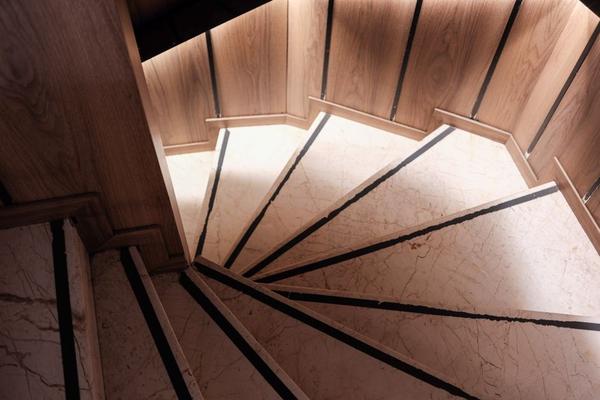
What should you plan first for luxury home renovating?
Luxury home renovating should start with how the house needs to work, then move through layout, fixed services, custom dimensions, lighting, materials, and finishes. Protect original features worth keeping, confirm clearances before ordering, and make decorative choices only after structural, electrical, plumbing, and storage decisions are settled.
A high-budget project can still fail if beautiful finishes are chosen before everyday needs are mapped. The safest approach is to treat function and character as fixed requirements, not details to recover after demolition.
What does luxury home renovating include beyond cosmetic updates?
It includes changes to circulation, storage, lighting, mechanical systems, built-ins, doors, millwork, flooring transitions, and the way rooms connect. Cosmetic work matters, but it comes after the parts that determine whether the home is comfortable and practical every day.
Definition: Luxury home renovating means improving a high-spec home through coordinated layout, infrastructure, custom fabrication, durable materials, and finish decisions while preserving the architectural qualities that make the property distinctive.
Start by separating what gives the house character from what simply looks old. Original stair proportions, substantial trim, paneled doors, stone fireplaces, ceiling details, and well-made built-ins may deserve restoration, while poor storage, awkward traffic paths, dated wiring, or undersized lighting can be upgraded without erasing the home’s identity.
Before work begins, write a room-by-room function brief. Record who uses each space, what must be stored there, which doors need to open freely, where furniture will sit, and what tasks need dedicated light. This becomes the control document for your luxury home renovation and makes it easier to reject expensive additions that do not solve a real problem.
Structural changes, new circuits, plumbing alterations, gas work, and major HVAC changes belong with qualified trades. If you are comparing luxury home renovation contractors, ask how they coordinate trades with custom cabinetry, stone templates, floor levels, and lighting positions. The related guide luxury home renovation contractors for upscale homes is useful when contractor coordination is your next decision.
In what order should layout materials lighting and finishes be decided?
Decide the layout first, then fixed services and exact dimensions, followed by lighting, materials, and decorative finishes. That sequence reduces rework because every later choice is based on physical conditions that are already known.
A practical decision sequence
- Lock the room functions and circulation: Confirm furniture zones, door swings, passage widths, storage needs, and which original features must stay.
- Resolve structural and service work: Have qualified professionals confirm walls, electrical loads, plumbing routes, ventilation, and HVAC requirements before finishes are ordered.
- Measure for custom work: Record finished wall-to-wall dimensions, ceiling heights, openings, appliance clearances, and floor build-ups before cabinetry, stone, doors, or built-ins are released for production.
- Place the lighting: Set task, ambient, and accent lighting around the approved layout, then coordinate switch locations and fixture heights with furniture and millwork.
- Choose materials and finishes: Select flooring, stone, hardware, paint, and textiles only after their edges, junctions, and maintenance requirements are clear.
What dimensions should be confirmed before custom products are ordered?
Confirm finished dimensions, not rough guesses, for openings, built-ins, appliance cavities, furniture clearances, and floor-to-ceiling conditions. Custom products become expensive mistakes when measurements ignore trim thickness, finished flooring, door swings, or the space people need to move comfortably.
- Main circulation path 36 in clear
- Kitchen work aisle 42 in clear for one cook
- Walk-in closet passage 36 in clear
- Dining chair pull-back space 36 in from table edge
- Bathroom vanity walkway 30 in clear minimum
How do exact paint colors change between north- and south-facing rooms?
North-facing light usually makes paint read cooler and grayer, while south-facing light tends to make the same color appear warmer and more luminous. Test the actual paint on large boards in the room before committing because orientation changes the result more than a small store chip suggests.
For a restrained backdrop that does not compete with original woodwork or stone, Benjamin Moore Pale Oak at #D8CFC4 is a useful starting point for walls and, where appropriate, the ceiling.
#D8CFC4 · Benjamin Moore Pale Oak
Reads warmer and slightly pinker in south-facing light, while north-facing light pulls it noticeably grayer. Use it on the main wall and ceiling surfaces, roughly 60 percent of the room, with fixed wood, stone, and furnishings making up the balance.
| Room condition | Pale Oak #D8CFC4 appearance | What to check before painting |
|---|---|---|
| North-facing room | Cooler and grayer through most of the day | Check that existing gray stone or cool flooring does not make the room feel flat |
| South-facing room | Warmer, brighter, and slightly pinker in strong daylight | Check the midday sample beside wood, brass, and cream upholstery |
| Room with deep overhangs | Darker than the same exposure with open sky | View the sample at the darkest daytime hour before increasing artificial light |
| Room with large reflective windows | Can shift with reflected exterior color | Judge a movable sample on several walls instead of relying on one fixed patch |
Do not choose paint before the permanent stone, wood, and flooring are on site. Those large fixed surfaces influence perceived color all day, so the final wall choice should be checked beside the real materials under both daylight and evening lighting.
Which high-end upgrades improve daily function rather than appearance alone?
The strongest upgrades remove friction from routines: better storage, quieter hardware, correctly placed lighting, easier cleaning, and layouts that reduce unnecessary movement. Spend first on elements you touch, open, walk through, or use every day rather than features that exist mainly for photographs.
- Full-extension storage: Deep drawers and pull-outs make the back of cabinets usable instead of turning it into dead space.
- Layered lighting: Separate ambient, task, and accent circuits let one room support cooking, reading, entertaining, and cleaning without relying on a single decorative fixture.
- Integrated charging and outlets: Place power where devices, lamps, grooming tools, and small appliances are actually used, with electrical work handled by a qualified electrician.
- Acoustic improvements: Solid-core interior doors, soft-close hardware, and thoughtful separation between active and quiet rooms can make a large home feel calmer.
- Serviceable materials: Choose surfaces that can be repaired, refinished, resealed, or replaced in sections instead of requiring a complete redo after normal wear.
Good luxury home renovation work is usually invisible in daily life because doors clear furniture, switches are where your hand expects them, storage opens fully, and maintenance is straightforward. Those details rarely dominate a finished photo, but they decide whether the house feels considered six months later.
When does a luxury renovation not make practical sense?
It does not make practical sense when the budget is being consumed by prestige finishes while basic circulation, lighting, storage, moisture control, or building systems remain unresolved. A book-matched stone wall, oversized statement pendant, or floor-to-ceiling glass display may look convincing in a photograph, but each can be a poor choice if it narrows a walkway, creates glare, removes useful storage, or adds constant cleaning.
Small rooms are especially unforgiving. Thick decorative wall build-outs, deep display cabinetry, and oversized furniture can make an expensive room function worse. In a rental, avoid irreversible alterations unless the owner has approved them in writing; removable furnishings and lighting are safer. Homes with young children or pets also need realistic material choices, because delicate high-gloss surfaces and sharp-edged stone will show wear quickly.
If the project requires borrowing heavily just to reach a visual standard, scale back. Preserve the best existing character, fix the functional problems first, and postpone decorative upgrades that can be added later without reopening walls or floors.
Frequently asked questions
Should original millwork always be kept in a luxury renovation?
No. Keep it when it is well made, proportionally right for the room, and capable of being repaired, but replace pieces that are damaged beyond sensible repair or prevent necessary function. Photograph and measure distinctive profiles before removal so new work can respect the existing language.
How early should custom cabinetry be ordered?
Design it early, but release it for fabrication only after the relevant finished dimensions, appliance specifications, service locations, and site conditions are confirmed. A fabricator should verify critical measurements before production where tolerances are tight.
Is more lighting always better in a high-end home?
No. More fixtures can create glare, visual clutter, and uneven brightness. A better plan uses separate layers for ambient, task, and accent light, with controls that let you use only what the activity requires.
What should be protected during demolition?
Protect any original flooring, trim, doors, fireplaces, stairs, hardware, or built-ins that the final design keeps. Agree on protection methods and access routes with the contractor before demolition starts so surviving features are not damaged by debris or repeated traffic.
How much contingency should be kept for renovation surprises?
Keep a dedicated contingency rather than spending the full budget on visible selections at the start. The appropriate amount varies with the house, scope, and unknown conditions, so set it with your contractor and relevant professionals before work begins.
The most convincing result is not the room with the longest list of expensive finishes; it is the one where the architecture still feels coherent and daily use feels easier. Fix the plan, services, measurements, and lighting first, then let materials and color support those decisions rather than lead them.