
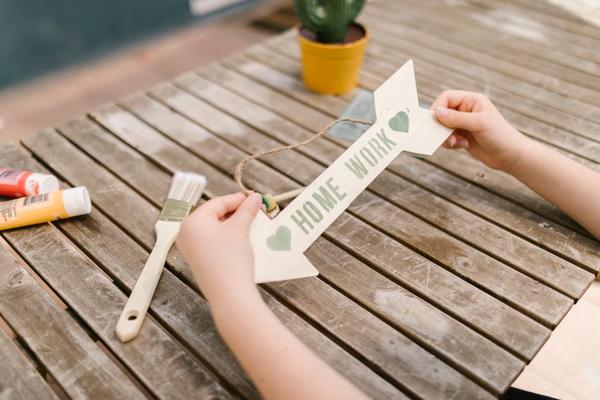
What makes easy diy home decor look polished?
Easy diy home decor looks polished when each project has a clear purpose, a controlled finish, and dimensions that suit the room. Start with one-day jobs such as framed fabric, covered storage boxes, simple cushion covers, painted frames, or a slim display shelf, then repeat one material or finish so the room reads as deliberate.
The fastest projects are usually the ones that improve edges, scale, and visual order rather than adding more objects. Keep the plan tight: choose one or two projects, measure before cutting, and finish every visible edge as carefully as the front.
Which easy DIY home decor projects can be finished in a day?
A useful one-day project should be simple enough to complete without specialist tools and visible enough to change how the room reads. The best choices also work with what you already own, which keeps affordable diy home decor from turning into a supply-shopping exercise.
- Frame a piece of fabric for wall art: Cut fabric so it extends about 1 in beyond the backing on every side, pull it smooth, secure it to the rear, and return it to the frame. The project works especially well when the fabric pattern already repeats a shape or finish elsewhere in the room, because the finished piece looks connected rather than random.
- Cover plain storage boxes: Use sturdy boxes with square corners and wrap them in one fabric or paper finish, taking extra care at the folded corners. Place them on an open shelf where the repeated shape can visually calm small items instead of simply hiding clutter in mismatched containers.
- Sew or fold an envelope cushion cover: An envelope back avoids a zipper, so the project stays beginner-friendly. Measure the insert rather than the old cover, keep the front panel aligned, and aim for a snug finished cover so the corners do not collapse after a few days of use.
- Refresh a small frame with one paint finish: A narrow mirror frame, picture frame, or lightweight tray can look cleaner when the same paint treatment is used on the entire visible surface. Sand loose finish lightly, clean the surface, and use thin coats so corners stay crisp rather than becoming rounded with excess paint.
- Make a simple fabric pinboard: Wrap a cork board in tightly stretched fabric and secure the material at the back, not across the front edges. It is useful above a desk, near an entry, or in a hobby corner where loose notes otherwise become visual clutter.
- Create a shallow display ledge: Use a ready-made slim ledge rather than improvising structural wall hardware. In a rental, choose an approved removable display solution or place the ledge on furniture instead of drilling without permission; permanent wall mounting should match the wall type and tenancy rules.
For a broader project plan, use diy home decor as the hub, then choose jobs that share tools or materials. If floor area is tight, diy home decor how to save space is the more useful next step than adding another decorative surface.
What beginner-friendly materials give the cleanest result?
Beginners get the cleanest result from materials that are easy to cut accurately, forgiving at the edges, and stable once assembled. Favor projects with simple cuts and visible edges you can finish neatly. Thick poster board, cork, cotton canvas, pre-cut wood ledges, removable mounting products, and water-based craft or wall paint are easier to control than thin floppy sheet materials or complicated hardware.
Buy the smallest quantity that completes the job, and test cutting or folding on an offcut before touching the final piece. Accurate measuring, a sharp cutting tool used safely, and clean folds usually improve the result more than a more decorative material.
- For fabric projects: choose a medium-weight cloth that holds a fold and does not show every tiny pull.
- For paper-covered boxes: use paper heavy enough to hide the box printing without becoming difficult to crease.
- For painted objects: clean and prepare the surface first; a neat edge matters more than a heavy coat.
- For rented rooms: use removable methods only where the product instructions and tenancy terms allow them.
If cost is the constraint, diy home decor how to save money belongs in the planning stage: reuse one fabric, one paint, or one roll of paper across several small projects instead of buying a different finish for each object.
How do you choose exact colors without buying too many supplies?
Choose one paint color only after checking it against the room’s fixed finishes in both daylight directions. If you want a single repeatable option for a frame, small tray, or compact painted accent, use #D8CFC4, Benjamin Moore Pale Oak, and keep it to roughly 10 percent of the visible room so it supports rather than dominates the existing scheme.
#D8CFC4 · Benjamin Moore Pale Oak
Reads warm and very slightly pink in south-facing light. In a north-facing room it drops noticeably grayer. Use it on small painted decor and accents, roughly 10 percent of the room.
Before buying a larger container, place a physical sample or manufacturer chip beside the objects that will stay in the room and check it at midday and again under your normal evening lighting. North-facing daylight can make the finish look cooler and grayer; south-facing daylight can make the same finish look warmer, so a choice made in a store aisle is not enough.
Keep the rest of the project tied to materials already present in the room rather than introducing extra paint colors. That approach gives diy home decor for apartments a more controlled look and keeps leftover supplies to a minimum.
Which small projects make the biggest difference in a room?
The biggest change usually comes from correcting a visible proportion or organizing a surface that you see repeatedly. Wall art hung at a consistent height, a shelf with enough breathing room, and one contained group of everyday objects can change the room more than several tiny decorative additions.
Use the dimensions below before you hang, cut, or place anything. They are intentionally narrow targets so you can make a decision rather than guess from across the room.
- Art center height 57 in from the floor
- Gap between paired frames 2 to 3 in
- Shallow display ledge depth 4 to 6 in
- Pinboard clearance above a desk 8 to 12 in
- Tray edge clearance on a console 3 in minimum
A polished room also benefits from repetition. If you use the same fabric on a pinboard and a lined tray, or repeat the same frame treatment in two locations, the eye reads the pieces as one decision rather than several unrelated weekend projects.
When does easy DIY decor not work well?
DIY decor does not work well when the project is being used to disguise a problem that actually needs repair, more storage, or a professional trade. A decorative cover will not fix moisture damage, a leaning shelf, faulty wiring, or a wall that cannot safely carry the load. Electrical, plumbing, structural, and gas work belongs with a qualified professional, not inside a decor project.
Some ideas also work better in photographs than in daily life. Open trays full of tiny objects can look controlled for ten minutes and become clutter by the end of the week. Very shallow ledges look clean when almost empty but are poor storage for bulky items. Fabric-covered boxes fail quickly if they are handled every day with damp or dirty hands, and light-duty removable products are not a substitute for proper hardware where weight is involved.
In a rental, do not drill, paint, glue, or alter a surface unless the tenancy allows it. With pets or young children, skip unstable displays, loose cords, sharp-edged trays, and breakable objects within reach.
Frequently asked questions
Can I make DIY decor look cohesive without matching everything?
Yes. Repeat one material, shape, or finish in two or three places and keep the rest of the room quieter. Cohesion comes from deliberate repetition, not from making every object identical.
What is the easiest DIY decor project for a complete beginner?
A framed fabric panel is a practical starting point because it needs only accurate measuring, a clean fold, and a frame you already own. It is easy to redo if the first attempt is not smooth.
Can DIY decor work in a rental apartment?
Yes, but the project should be freestanding or use removable methods that are allowed by the tenancy and suitable for the surface. Avoid permanent paint, drilling, adhesives, or alterations unless you have permission.
How do I keep a DIY project from looking homemade in a bad way?
Measure twice, cut once, hide fasteners where possible, and spend extra time on corners and edges. A simple project with square cuts and clean joins usually looks better than a more ambitious project with uneven finishing.
Easy diy home decor works best when each project solves a visible problem, uses exact measurements, and repeats a finish already present in the room. Finish fewer pieces well, check scale before installation, and let the room look more ordered rather than simply more decorated.