
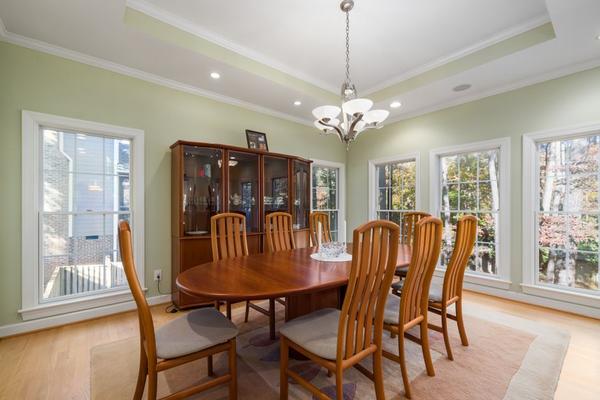
How do I choose light green colour paint for a room?
Choose light green colour paint by testing undertones against your actual daylight, not a phone image. Put large samples on two walls, inspect them morning and evening, and make one green the main surface. Pair it with consistent trim, leave existing wood visible, and check the dried sample before buying full gallons.
Light green can read fresh in a sunny kitchen yet gray in a bedroom facing north. The point is to find a specific shade that works with your windows, flooring, and evening lamps, not just one that looks appealing online.
Which undertones make light green easier to live with?
Gray in a green formula restrains its intensity; yellow makes it look warmer, and blue makes it appear cooler. Northern daylight commonly emphasizes the gray or blue side, while southern sunlight strengthens the yellow side. Sample each candidate beside the floor and upholstery you intend to keep.
Three named wall paints to consider
Sherwin-Williams Sea Salt SW 6204, digitally represented by #CDD2CA, offers a light blue-green direction. It can look particularly gray on the wall away from the window, so test it on that surface first. Use it as the principal wall color, not just a tiny decorative stripe.
#CDD2CA · Sherwin-Williams Sea Salt SW 6204
North-facing light pulls it cooler and grayer; south-facing sunlight shows more green. Allow roughly 60 percent of the visible room color for it.
Sherwin-Williams Liveable Green SW 6176, digital reference #CECEBD, takes a slightly yellow-green direction. It makes sense to sample where the floor is already visually warm, because that floor may intensify the yellow cast. Check the shade with the lamps you use after dinner.
#CECEBD · Sherwin-Williams Liveable Green SW 6176
In northern daylight it can lose some warmth; southern light makes the yellow cast more obvious. Plan around 60 percent wall coverage in the visible scheme.
Benjamin Moore Saybrook Sage HC-114, shown digitally as #B1B7A2, provides a more defined gray-green. It needs a generous wall sample because a small chip understates its depth. Consider it for a room with substantial daylight and limited visual clutter.
#B1B7A2 · Benjamin Moore Saybrook Sage HC-114
Northern light emphasizes gray; southern light makes the green richer. Reserve about 60 percent of the visible palette for these main walls.
Hex values are digital approximations, not dried-paint formulas. Ask a US paint retailer for physical chips. The green paint colours guide helps narrow choices before sampling.
Where does light green work best in a home?
Bedrooms, living rooms, breakfast nooks, offices, and entryways all offer sensible placements. The right location depends on whether daylight reaches the painted surface when the room is in use. The five ideas below make one deliberate surface treatment the priority.
Five useful placements for a restrained green
- Bedroom walls: Paint the continuous walls rather than interrupting each one with a different accent. In a 12 x 12 ft bedroom, keep bedding visually simple so the wall color takes the lead. Verdict: a consistent backdrop works best.
- Living room backdrop: Let the green sit behind the sofa and adjacent seating where it remains visible. Place artwork sparingly instead of covering the wall with small frames. Verdict: a broad wall shows the actual undertone.
- Kitchen breakfast nook: Paint the wall enclosing the table before considering cabinet work. View it against the existing countertop and flooring at breakfast and dinner. Verdict: useful for checking color without committing to cabinet repainting.
- Home office wall: Put the green beside the desk rather than directly across from a glaring window. Keep the computer screen’s working position unchanged while testing. Verdict: a focused field of color is easier to judge.
- Entryway return wall: Choose a surface that catches borrowed daylight from the next room. Stand in both doorways to see whether it reads as a disconnected patch. Verdict: only convincing if the light reaches it.
Before you paint light green colour across a room, photograph it from the entrance and primary seat. Note where large furnishings interrupt the walls. If the selected green feels too heavy, review sage green paint colours before deciding that all green paint is unsuitable.
Check the room’s viewing distances
A sample judged from 6 in away may seem completely different from the same wall viewed across 12 ft. Set up your normal furniture layout first. Leave clear walkways so choosing a wall color does not distract from poor circulation.
- Minimum sample board 24 x 24 in
- Gap between sample boards 18 in
- Entry walkway width 36 in
- Sofa to coffee table clearance 16 to 18 in
- Living room planning size 12 x 15 ft
Which trim colors and woods pair well with light green?
Give the green one consistent trim partner and retain the wood already present whenever practical. Test the trim and wall samples together rather than choosing them separately. The result should remain coherent under both daylight and the room’s usual lamps.
For trim, sample Sherwin-Williams Pure White SW 7005, represented digitally by #EDECE6. Carry the choice across accessible baseboards, doors, and ceilings if you are permitted to repaint them; patchwork trim creates unnecessary visual interruptions.
#EDECE6 · Sherwin-Williams Pure White SW 7005
It can seem cooler beside green in north-facing light and subtly creamier in southern sun. Give trim, ceiling, and related light surfaces roughly 30 percent of the visible scheme.
Use an approximate 60/30/10 color plan: 60 percent painted green walls, 30 percent trim and other light surfaces, and 10 percent art or smaller accents. The room’s existing oak, maple, or walnut can occupy part of those visual zones without being refinished. Compare samples beside the actual grain and stain, not a catalog photograph.
How does light green change from morning to evening?
The same paint can shift as the sun moves and as electric bulbs take over. North-facing light generally cools the appearance; south-facing light usually warms it. A successful choice remains recognizable at the hours you actually occupy the room.
Use this orientation guide to predict where to look for changes. These are common tendencies, not promises; trees, window glass, and nearby buildings affect every home.
| Lighting condition | Blue-leaning green sample | Yellow-leaning green sample |
|---|---|---|
| North-facing morning | May look gray and cool | Often loses yellow warmth |
| East-facing morning | Can show clearer green | May look temporarily yellower |
| South-facing afternoon | Generally looks softer and warmer | Yellow influence strengthens |
| West-facing late afternoon | Warmer appearance possible | May look golden |
| Warm lamps after dark | Cool cast can fade | Yellow cast can dominate |
Move sample boards between a window wall and a shaded wall. Check around 9 a.m., 2 p.m., and 8 p.m., including the evening with your usual lamps on. Photograph the samples for your notes, but make the final decision in person because a camera automatically adjusts white balance.
When is light green a bad choice for a room?
It is a poor choice if the shade looks appealing only in a brightly staged photograph. A blue-leaning sample may look dull and gray in a north-facing room with one small window. A yellow-leaning sample may become uncomfortably yellow under warm lamps. Neither problem is corrected by expensive throw pillows.
Light green also fails to solve actual surface defects. Peeling paint, water marks, or suspected dampness need investigation and preparation first; covering them with another coat is wasted money. If you rent, get written permission before repainting, and never alter a surface simply because a temporary decorating trend suggests it.
Open shelves styled with three immaculate objects can make a pale green kitchen look perfect in photos. That setup is rarely useful for a family with daily dishes, grease, children, or pets. A high-contact hallway may also show scuffs quickly if the chosen paint product is not made for regular cleaning. Price the primer, supplies, and full paint quantity before starting. If a sample works only in ideal afternoon sun, choose another color or keep the walls as they are.
Frequently asked questions
Can a pale green make a small room feel larger?
A continuous wall finish can feel calmer, but paint cannot add square footage. Test a broad sample in the room’s real daylight instead of assuming a pale shade will solve a cramped layout.
Should I test paint on paper or on the wall?
A primed, movable sample board lets you study different positions without leaving patches. If you sample directly on the wall, let the coats dry completely before choosing.
How many days should I inspect a green sample?
Keep it visible for at least two full days to catch morning, afternoon, and evening conditions. Extend the test if both days have unusually similar weather.
Should the ceiling be green too?
Keep the ceiling within your existing trim plan unless you have tested a full-room treatment carefully. A colored ceiling can change how enclosed the room feels, especially with limited daylight.
Can a paint store use a hex code as an exact formula?
A hex value represents screen color, not a guaranteed physical paint formula. Order by manufacturer name and color number, then approve a dried sample in your room.
Choose the green that works in your room’s least flattering light, not just at noon. Keep the wall area coherent, test its trim partner, and let the existing wood and furniture shape the remaining palette.