
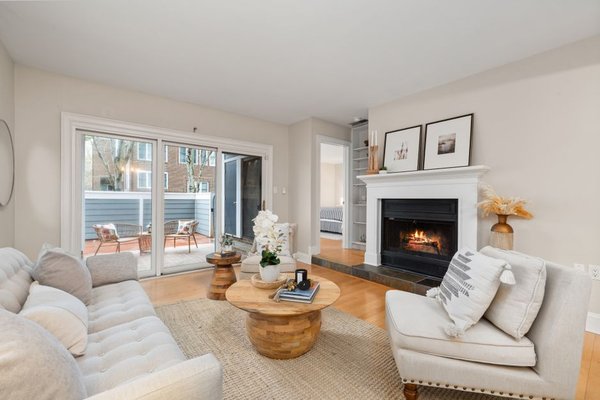
Which home staging companies san diego sellers should compare?
The best home staging companies san diego sellers should compare are firms that show clear pricing, explain whether furniture rental is included, confirm the rental term, and separate vacant from occupied services. In 2026, published local starting prices run from a few hundred dollars for consultation or occupied prep to several thousand dollars for full vacant staging.
San Diego sellers usually need to decide how much of the home to stage and whether the company is supplying furniture or refining what is already there. A search for home staging companies san diego gets harder once rental length, delivery, pickup, room count, and photography timing enter the quote.
How much do home staging companies in San Diego charge?
Published 2026 San Diego-area pricing varies because the services are not identical. Consultation-only work may begin around $200, occupied staging can start around $600, and local vacant packages are advertised from roughly $2,800 to $3,500, with larger or higher-end homes quoted above those entry points.
Compare the same scope before judging a price. One quote may include a 60-day furniture rental, delivery, styling, and pickup, while another may cover fewer rooms or price extensions separately.
| Service detail | Vacant home staging | Occupied home staging |
|---|---|---|
| Furniture | Stager supplies the main furniture, rugs, art, lighting, and accessories | Seller’s usable furniture stays, with selected stager inventory added where needed |
| Published local starting points | About $2,800 to $3,500 for entry packages from some San Diego-area firms | About $600 for light staging and photo prep from one local provider |
| Rental term | Often tied to a fixed initial term such as 60 days, then extended if needed | May be bundled into a service package rather than a full furniture rental |
| Best fit | Homes that are empty, newly built, investor-owned, or already moved out | Homes where the seller is still living with most existing furniture |
| Main cost drivers | Room count, inventory level, delivery access, property size, and rental duration | Number of rooms, editing required, added inventory, and photo-prep labor |
If you are reviewing home staging companies in san diego ca, ask for an itemized written quote. The total should show which rooms are covered, how long furnishings stay, and whether delivery and pickup are included.
What services do San Diego home stagers usually include?
Most full-service stagers start with a walkthrough, then create a room-by-room plan for photography and showings. Vacant services commonly include furnishings, rugs, art, lighting, accessories, delivery, installation, styling, and pickup; occupied services focus on editing, rearranging, decluttering, and selective inventory additions.
Some companies also offer partial staging, furniture rental, curb-appeal styling, virtual staging, color consultation, and pre-listing organization. Treat these as separate line items unless the proposal specifically includes them.
If repainting is already part of the sale prep, Benjamin Moore Pale Oak is one specific option for keeping large wall areas visually quiet without making the room stark.
#D8CFC4 · Benjamin Moore Pale Oak
Reads warmer in south-facing light and noticeably grayer in north-facing light. Use it on the main walls and, where appropriate, the ceiling so it covers roughly 60 percent of the visible room.
Do not repaint just because a staging package mentions color. If the existing finish is clean and photographs well, furniture placement and editing may be a better use of the budget; if you do paint, check a sample in morning and afternoon light before committing.
- Sofa to coffee table 16 to 18 in
- Walkway behind a sofa 30 in minimum
- Rug under the front legs 8 x 10 ft in a 12 x 15 ft room
- Art center height 57 in from the floor
Use these clearances as an install check. A room that photographs well but blocks a real walkway is not properly staged for an in-person showing.
How should you compare home staging companies in San Diego?
Compare companies on scope, inventory, contract terms, and scheduling rather than portfolio photos alone. The proposal should explain what is installed, how long it stays, who handles changes, and what an extension costs.
- Match the service to the home’s occupancy: Confirm whether the quote is for a vacant, occupied, or partial stage.
- Request the exact room list: Make sure every included and excluded space is named.
- Check the rental clock: Get the initial rental period and extension price in writing.
- Confirm delivery and pickup: Ask whether stairs, elevators, gated access, or difficult parking affect the fee.
- Review similar recent work: Look for homes close to your listing’s scale and likely buyer.
- Protect the photography date: Put the install date and photographer appointment into the schedule before signing.
Use the broader home staging companies guide for a general framework before comparing San Diego proposals. For the local decision, local home staging companies should still be judged on written scope and availability for your actual listing week.
How long does staging usually take in San Diego?
Published local service windows range from roughly one to three days for some projects to three to five business days for others. Some full vacant installations may be scheduled five to seven days after contract signing, while faster turnaround can be possible when inventory and crews are available.
Work backward from the photography appointment. Give the stager the listing date, access restrictions, elevator rules, and contractor finish dates at the start, and make sure cleaning, repairs, paint touchups, and floor work are complete before a vacant install begins.
What should you ask before hiring a San Diego home stager?
Ask questions that expose the contract details, not just the design style. You need to know what happens before photography, during the listing period, and at pickup, including the cost of an extension or restyle.
Confirm whether the quote includes furniture, art, rugs, lamps, delivery, setup, styling, pickup, and sales tax where applicable. Ask who owns the inventory, whether substitutions are allowed, how damage is handled, and what must be packed or stored before an occupied install.
For a vacant listing, ask what happens when the initial rental term ends. For an occupied listing, ask which rooms will remain fully usable for daily life so the staging plan is realistic rather than merely attractive on camera.
When does professional staging not work well for a tight budget or a lived-in home?
Full staging does not make sense when the cost forces you to postpone essential repairs, deep cleaning, safety work, or a realistic list-price strategy. Furniture cannot hide active leaks, damaged flooring, strong odors, unfinished trim, or obvious maintenance problems during an in-person showing. On a tight budget, a focused consultation and photo prep may be more useful than renting furniture for rooms buyers already understand.
Occupied staging also has limits. A home with young children, pets, remote work setups, or very little storage can become stressful if the plan requires daily resetting or hiding normal belongings for weeks. Some ideas work only in a photograph: a chair blocking a useful path, fragile decor on a family dining table, or a bedroom stripped down so far that it stops functioning. Good staging should support the sale without making the home impractical to live in.
Frequently asked questions
Do San Diego staging companies provide the furniture?
Full vacant staging usually includes rental furniture plus rugs, art, lighting, and accessories. Confirm whether delivery, installation, pickup, and the initial rental period are included in the quoted price.
Can I stay in my house while it is staged for sale?
Yes. Occupied staging may rearrange existing pieces, remove visual clutter, add selected inventory, and require some belongings to be stored during the listing period.
Is virtual staging a substitute for physical staging?
Virtual staging can improve listing images of empty rooms, but buyers still see the real space during showings. If scale, traffic flow, or room purpose is unclear in person, physical staging addresses a problem edited photos cannot.
Should every room be staged before listing?
Not always. Priority usually goes to spaces that shape a buyer’s first impression and sense of scale, such as the living room, dining area, kitchen, and primary bedroom.
Who usually pays for home staging?
The seller commonly pays, but agents, builders, or investors may cover or share the expense depending on the listing agreement. Put any reimbursement arrangement in writing before ordering the work.
The best staging decision fits the home’s condition, occupancy, listing schedule, and likely buyer rather than a generic package. Compare written scopes, check the rental term, protect the photography date, and spend first where furniture and scale genuinely help buyers understand the property.