
What should you expect from home staging companies denver sellers hire?
Home staging companies denver sellers hire usually offer consultation-only, occupied staging, or vacant staging with rented furniture. Costs change with the number of rooms, delivery, installation, rental length, and added decor. Compare the first-month total, extension fees, included rooms, and removal terms before choosing a company.
Denver staging is easiest to compare when every quote is reduced to the same scope: what gets staged, what arrives with the crew, how long the rental lasts, and what happens if the listing takes longer than planned. Use the service and cost checks below before you sign.
How much do home staging companies in Denver charge?
There is no single Denver rate because a consultation, an occupied restyle, and a vacant installation are different jobs. Current published Denver-area menus show why you should compare an itemized first-month total rather than one headline price.
As a live benchmark rather than a citywide average, one Denver-area staging company lists an occupied DIY consultation at $350, full-service occupied staging starting at $800, a minimalist vacant package starting at $550 without large furniture, a basic vacant package starting at $2,150, and a deluxe vacant package starting at $3,500. Your quote can move with square footage, site location, rooms staged, access, inventory, delivery requirements, and the length of the furniture rental.
Ask for the amount due before installation and the recurring amount after the initial term. Check whether delivery, pickup, extra rooms, supplemental decor, rush scheduling, or extensions are separate charges.
The best budget comparison is not simply “cheapest company.” Compare identical rooms and identical rental periods across two or three denver home staging companies so the totals mean the same thing.
What services do Denver home stagers usually include?
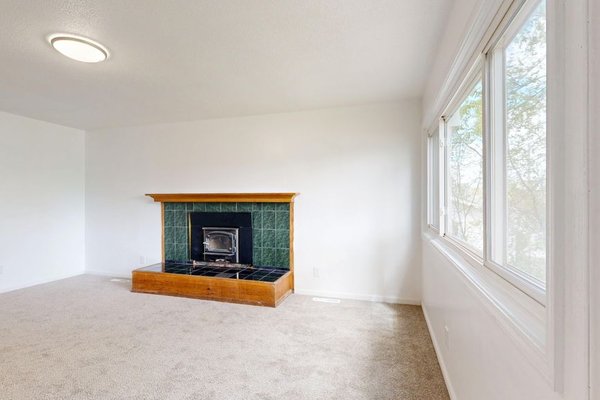
Most staging scopes fall into consultation-only, occupied staging, or vacant staging. The biggest difference is whether the stager works mainly with what you own or brings in furniture, rugs, lamps, art, and accessories for the listing period.
| Service factor | Occupied staging | Vacant staging |
|---|---|---|
| Furniture base | Uses the seller’s useful pieces first | Brings rental furniture for selected rooms |
| Typical labor | Editing, rearranging, styling, and selective additions | Delivery, installation, styling, rental management, and pickup |
| Cost pressure | Usually lower when existing furniture works | Usually higher because inventory and logistics are added |
| Best fit | Lived-in homes that need editing and stronger room flow | Empty homes where buyers need scale and function shown |
| Contract point | Clarify added decor, labor hours, and return visits | Clarify rental term, extensions, damage rules, and removal timing |
A useful consultation should flag blocked circulation, unclear room purpose, distracting personal items, weak lamp placement, and unfinished repairs. If repainting is recommended, require an actual color name; Benjamin Moore Pale Oak at #D8CFC4 is one specific option to sample first.
#D8CFC4 · Benjamin Moore Pale Oak
Reads warm and very slightly pink in south-facing light. In a north-facing room it drops noticeably grayer. Use it on walls and ceiling, roughly 60 percent of the room.
Sample the named color in the actual room in morning and afternoon light, and keep the existing finish when it already photographs cleanly.
- Sofa to coffee table 16 to 18 in
- Main walking path 30 in minimum
- Living-room rug 8 x 10 ft in a 12 x 15 ft room
- Art center height 57 in from the floor
- Dining chair pullback 36 in from table edge to wall
Check those clearances after installation. A wide-angle photo can look balanced even when a sofa or dining chair makes the showing path feel cramped.
How should you compare home staging companies in Denver?
Compare scope, inventory, timing, and contract terms before you compare styling taste. A polished portfolio matters, but the practical details determine whether the service fits your home, listing date, and budget.
- Match the room count: get every quote for the same spaces.
- Match the rental period: compare the same initial term and exact extension charge.
- Check what is included: confirm furniture, rugs, lamps, art, delivery, installation, pickup, and consultation fees.
- Review relevant work: look for homes with a similar property type, scale, and price point.
- Ask about substitutions: know what happens if proposed inventory is unavailable.
- Read cancellation and damage terms: understand deadlines, deposits, access rules, and responsibility for rentals.
Use a broader guide to home staging companies to understand the service models, then shortlist local home staging companies with relevant Denver-area work. A low quote is useful only when scope and rental terms match.
How long does staging usually take in Denver?
The physical installation may take only several hours once the plan and inventory are ready, but the full timeline starts earlier with quoting, consultation, scheduling, and preparation. Some Denver firms advertise an installation of about four hours for many homes, so do not confuse installation time with the entire lead time.
Work backward from photography. Finish repairs, cleaning, decluttering, and approved painting before rented pieces arrive so the crew is not styling around unfinished work.
For vacant staging, ask exactly when the rental clock begins and how much notice is required for removal or early termination.
What should you ask before hiring a Denver home stager?
Ask questions that expose the full cost and the practical limits of the service, not just the design concept. You should be able to understand exactly what will be in the house, for how long, and what you will owe if the listing timeline changes.
- Which rooms are included in this exact quote? Ask the stager to name them rather than saying “main rooms.”
- What is due before installation? Separate deposits, design fees, delivery, setup, rental, and tax where applicable.
- How long is the initial rental? Get the extension price and billing interval in writing.
- Who handles pickup and access? Confirm notice requirements, lockbox use, and what happens if the property is unavailable.
- Can you show comparable work? Look for homes with similar size, architecture, price point, and room proportions.
- What happens if inventory changes? Ask whether substitutions stay within the agreed scope and quality level.
- Is the company insured? Request the appropriate proof before allowing a crew and rented goods into the property.
Ask whether you must move heavy furniture or complete repairs. Electrical, plumbing, structural, and other qualified-trade work belongs with the appropriate professional, not the staging crew.
When does professional staging not make sense for a Denver home?
Full staging does not automatically make sense for every listing. If the home is already furnished cleanly, has clear circulation, and photographs well, paying for a truckload of replacement pieces can add cost without solving a real problem. A consultation-only plan may be enough. On a tight budget, spend first on cleaning, obvious repairs, decluttering, and fixing rooms whose purpose is genuinely unclear.
Some styling ideas work mainly in photographs. An undersized accent chair, a tiny rug that exposes too much floor, or a dining setup with barely any pullback space can make a wide-angle image look open while making the showing feel awkward. Removing so much furniture that a family room stops functioning can have the same problem. Homes with pets or young children also need a plan for fragile rental accessories and daily reset work; a perfect installation that cannot survive normal life is not practical.
Do not pay for a visual concept that ignores how buyers will actually walk through and use the rooms.
Frequently asked questions
Do Denver home stagers bring their own furniture?
Vacant staging generally uses rental furniture and accessories supplied or sourced by the staging company, while occupied staging starts with more of the seller’s existing pieces. Confirm exactly which rented items are included and whether substitutions are allowed.
Do you need to stage every room before listing?
No. Prioritize the rooms that establish scale and daily use, especially the living area, primary bedroom, dining area, kitchen, and any confusing bonus room. The right shortlist depends on the property and the quote.
Can staging happen before repairs are finished?
It can, but it is usually inefficient because furniture and accessories may need to be moved again. Finish dusty, wet, or trade work first, then clean before installation so the staged rooms are ready for photography.
Is virtual staging the same as physical home staging?
No. Virtual staging changes listing images, while physical staging changes what buyers encounter during an in-person showing. If virtual staging is used, the listing should follow the applicable MLS and advertising rules for altered images.
Who pays if rented staging stays longer than planned?
The signed staging agreement controls that cost. Before installation, confirm the included rental period, the extension amount, the billing interval, and how much notice is required to schedule removal.
Choose the service level that fixes the actual presentation problem in your home, then compare equal scopes rather than attractive starting prices. The strongest home staging companies denver sellers can hire make the cost, rental period, room list, and removal terms easy to understand before installation day.