
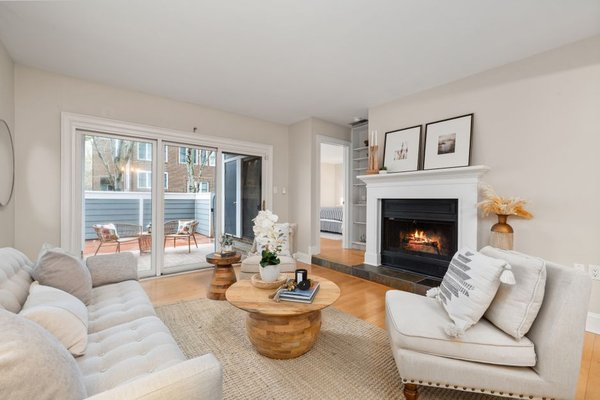
What should you expect from home staging companies austin tx?
Home staging companies austin tx typically offer consultations, occupied-home styling, vacant-home furniture packages, installation, and removal. Published Austin pricing shows consultations around $250 and common staging packages starting roughly from $1,795 to the mid-$3,000s, with larger, luxury, or longer-rental projects costing more. Always compare scope, rental period, renewal fees, insurance, and cancellation terms.
For an Austin seller comparing austin home staging companies, the useful question is not simply who has the prettiest portfolio. You need a company whose service level, inventory, timing, and contract fit your house and your listing plan, especially if photography is already booked.
How much do home staging companies in Austin charge?
There is no single Austin rate because the quote changes with property size, number of rooms, whether the home is occupied, and how long rental furniture stays in place. Current published Austin examples include consultation fees around $250, signature packages starting around $1,795 and broader packages reaching roughly the mid-$3,000s, with custom and larger-property work quoted separately.
Use those figures only as a screening range. RESA’s reported U.S. staging data for the first half of 2026 showed an average staging investment of $4,934 across submitted projects, a national benchmark rather than an Austin quote. Ask for a written total separating installation, furniture rental, delivery, pickup, extensions, and taxes.
What services do Austin home stagers usually include?
Most local home staging companies build the scope around either an occupied home or a vacant home. The exact package varies, so treat the proposal as a contract checklist rather than assuming furniture, art, labor, and pickup are automatically included.
| Service element | Occupied-home staging | Vacant-home staging |
|---|---|---|
| Initial plan | Walkthrough, editing plan, room priorities, and use of existing pieces | Walkthrough, room sizing, room plan, and inventory selection |
| Furniture | Usually rearranges the seller’s furniture and may add selected pieces | Rental furniture is brought in for agreed rooms |
| Accessories and art | May supplement what is already in the home | Usually supplied as part of the staged installation |
| Installation | Hands-on styling can be included or priced separately | Delivery, setup, styling, and later removal should be stated in writing |
| Rental period | Often limited because much of the home remains seller-furnished | Contract should state the included days and extension or renewal charge |
A useful scope identifies which rooms matter most in listing photos. If the budget is limited, ask the stager to price the strongest photo-facing rooms first instead of automatically furnishing every room.
If repainting is genuinely needed before photography, one specific low-contrast choice for a main living area is Benjamin Moore Pale Oak, paired with the room’s existing fixed finishes rather than used as a universal default.
#DDD9CE · Benjamin Moore Pale Oak
Reads warmer and slightly pinker in south-facing Austin light, while a north-facing room can pull it noticeably grayer. Use it on the main wall field and ceiling only if the trim and flooring support it, covering roughly 60 percent of the visible room surfaces.
Staging also has to work at walking speed, not only through a camera lens. Before approving an installation, check that the furniture plan leaves practical clearances for showings and does not force buyers to turn sideways through the room.
- Sofa to coffee table 16 to 18 in
- Main walkway through living room 30 in minimum
- Dining chair pullback 36 in from table edge
- Living-room rug 8 x 10 ft in a 12 x 15 ft room
- Art center height 57 in from the floor
How should you compare home staging companies in Austin?
Compare the written scope before you compare portfolio photos. A strong proposal tells you what rooms are included, who owns or rents the inventory, how long it stays, what happens if the listing remains active, and exactly who handles installation and pickup.
If you are building a broader shortlist of home staging companies, use the same questions for every bidder so the quotes are genuinely comparable. The same method also helps if you are researching austin home staging companies or nearby local home staging companies and do not want a low starting price to hide renewal or labor charges.
Use this five-part hiring checklist
- Confirm the rooms: The proposal should name every room being staged and every room deliberately left out.
- Confirm the inventory: Ask whether furniture, rugs, lamps, art, plants, bedding, and accessories are owned, rented, or sourced separately.
- Confirm the calendar: Get the installation date, included rental period, photo-ready deadline, and removal process in writing.
- Confirm the money: Check deposits, extension fees, cancellation terms, damage responsibility, delivery, pickup, and taxes before signing.
- Confirm the protection: Ask for evidence of business insurance and clarify who is responsible if a wall, floor, stair, or piece of furniture is damaged during installation.
Portfolio quality still matters, but look for homes with scale and architecture similar to yours. The relevant question is whether the company’s past work matches the spaces you need to sell.
How long does staging usually take in Austin?
Availability controls the schedule. Some Austin stagers advertise a walkthrough-to-market process of under a week, while installation may take only a few hours once the design plan and inventory are ready.
Build backward from photography. Give the stager the listing date, cleaning schedule, movers’ date, and any repair or paint work that must finish first; furniture should arrive after dusty work and deep cleaning are complete. Also confirm the included rental term, renewal rate, and pickup notice because local packages use different time periods.
What should you ask before hiring an Austin home stager?
Ask about scope, inventory, timing, insurance, access, and fees. The contract matters as much as the styling.
- What exactly is included in this quote? Ask for rooms, furniture, art, accessories, labor, delivery, setup, pickup, and rental term.
- What is not included? Clarify painting, cleaning, repairs, storage, moving, landscaping, photography, and handyman work.
- What happens if the home does not sell during the initial term? Get the renewal amount and billing interval.
- How do you handle occupied homes? Ask what must be removed, stored, or moved before installation day.
- Can I see insurance documentation? Confirm coverage before a crew moves furniture through the property.
- Who has access to the house? Agree on keys, lockbox use, alarm instructions, and responsibility for securing the home.
In a rental, get the landlord’s written approval before painting, drilling for art, or making any alteration that could breach the lease.
When does professional staging not work well for an Austin seller?
Professional staging is not automatically a good use of money when the budget is strained by essential repairs, the listing will be sold as-is, or the family cannot keep a highly edited setup intact. Fragile glass, delicate upholstery, or low decorative objects can look excellent in photographs and be impractical with children or pets. Oversized furniture can photograph dramatically while leaving a 24-inch pinch point that feels awkward during a showing.
Staging cannot hide a roof problem, HVAC failure, active leak, foundation concern, or major deferred maintenance; those need the appropriate qualified professional. On a tight budget, a focused consultation followed by cleaning, decluttering, repairs, and better lighting may be more sensible than furnishing every room. A nearly empty listing with attractive photos can still disappoint buyers in person if scale, traffic flow, or storage access has been sacrificed for the camera. If a proposal only works for photos but makes doors, walkways, closets, or daily living harder, reject that part.
Frequently asked questions
Do I need to move out before my Austin home is staged?
No. Occupied staging is designed for sellers who remain in the property and usually works with much of their existing furniture. The stager should give you a clear removal, storage, cleaning, and daily-reset plan before installation.
Should every bedroom be staged before listing?
Not necessarily. If the budget is limited, ask the stager and listing agent which rooms will have the strongest effect on photography and buyer understanding. The living room, primary bedroom, kitchen or dining zone, and any confusing flex space often deserve priority.
Can a stager use furniture I already own?
Yes, many occupied-home services are built around editing and rearranging the seller’s pieces. The proposal should state whether the stager will also bring rugs, art, lamps, bedding, or small furniture to fill specific gaps.
Is virtual staging the same as physical staging?
No. Virtual staging changes listing images, while physical staging changes what buyers actually see when they walk through the house. If virtual images are used, make sure the listing presentation follows the applicable MLS and advertising rules and does not misrepresent permanent property features.
When should I book a home stager before listing?
Book as soon as the listing calendar is firm, especially if you need rental furniture. Work backward from photography and allow time for repairs, paint, cleaning, moving, and the stager’s installation schedule so the house is fully ready before the camera arrives.
The best Austin staging hire is the one whose contract, inventory, timeline, and room plan fit the actual listing rather than a generic showroom look. Get the scope and renewal terms in writing, protect clear walking paths, and spend first on the rooms buyers will see most clearly in photos and in person.