
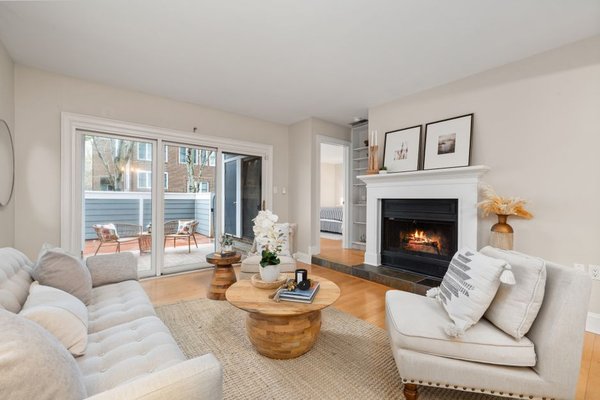
What should you know about denver home staging companies?
Denver home staging companies prepare vacant or occupied homes for sale by editing furniture, adding rental pieces, arranging rooms, and refining presentation. Compare them by the exact services included, the installation and pickup terms, the fit for your property, and whether their plan works for the home’s real light, dimensions, and daily use.
A staged room should make the home easier to understand, not disguise its size or function. Note which rooms are empty, which furnishings are worth keeping, and what must still work while the home is listed.
If you are comparing home staging companies, ask each firm to quote the same scope. The same rule applies to home staging companies denver and other local home staging companies: judge each candidate against the same rooms, furniture needs, timing, and responsibilities.
How much do home staging companies in Denver charge?
There is no single Denver-wide price that fits every property, and this brief does not provide a fixed market rate. The useful comparison is the total quoted scope: consultation, design plan, furniture or accessory rental, installation, rental period, refresh visits if offered, and removal.
Ask for an itemized proposal rather than one headline figure. One quote may cover fewer rooms or exclude pickup while another includes a longer rental term, so compare the lines rather than the total alone.
- Consultation: confirm whether it includes a written room-by-room plan.
- Inventory: identify which furniture and accessories are supplied.
- Labor: confirm delivery, placement, styling, and pickup.
- Rental term: check the start, end, and extension terms.
- Occupied-home editing: ask which existing pieces can stay.
What services do Denver home stagers usually include?
Service packages commonly center on one of two situations: furnishing a vacant property or editing an occupied one. The exact package should state which rooms are included, what the stager supplies, what you must move or store, and who is responsible for resetting or removing items later.
For a vacant home, the goal is to make room purpose and scale obvious without crowding the floor. In an occupied home, keep useful pieces, remove clutter, adjust placement, and add only what strengthens the listing presentation.
Check the room layout before approving the install
Furniture should show circulation clearly in person, not just create a good camera angle. Before installation, measure the living room, dining area, primary bedroom, and any tight transition points so a sofa, table, bed, rug, or console does not make a passage feel narrower than it is.
- Sofa to coffee table 16 to 18 in
- Walkway behind a sofa 30 in minimum
- Rug under the front legs 8 x 10 ft in a 12 x 15 ft room
- Art center height 57 in from the floor
If repainting is part of the agreed scope, one specific choice is Benjamin Moore Pale Oak, #D8CFC4, used across broad wall and ceiling surfaces rather than as a vague color direction.
#D8CFC4 · Benjamin Moore Pale Oak
Reads warm and very slightly pink in south-facing light. In a north-facing room it drops noticeably grayer. Use it on walls and ceiling, roughly 60 percent of the room.
That light check matters because a finish that looks balanced in a bright south-facing room can read cooler and grayer in north-facing light. Approve any paint choice in the actual room and at the times of day buyers are most likely to view it.
How should you compare home staging companies in Denver?
Compare the same property, the same rooms, and the same listing timeline across every proposal. Separate vacant-home staging from occupied-home staging first, because those two scopes require different amounts of inventory, moving, storage, and coordination.
| Staging decision | Vacant-home staging | Occupied-home staging |
|---|---|---|
| Furniture base | Relies mainly on supplied rental furniture and accessories | Starts with usable pieces already in the home |
| Owner preparation | Focuses on access, cleaning, and an empty installation area | Often requires decluttering, editing, and temporary storage |
| Room planning | Shows scale and intended function where rooms are empty | Improves circulation and visual consistency around existing items |
| Daily use | No need to preserve normal household routines | Must remain workable for occupants during the listing period |
| Removal | Rental inventory is collected at the agreed end point | Added items are removed and the owner keeps existing furnishings |
Do not judge a proposal only by portfolio photographs. Check whether those homes are similar to yours in size and occupancy, then make sure the written scope matches the result you are buying.
How long does staging usually take in Denver?
There is no single timeline in the brief that applies to every Denver project. Timing should be written as a sequence: consultation, owner preparation, install date, listing-photo date, rental period, any extension terms, and pickup.
For an occupied home, the schedule also has to allow time for decluttering and moving anything the stager wants removed. For a vacant home, access and inventory availability can be the bigger variables, so confirm the installation window before the photographer and listing launch are booked.
Put one responsible party beside each task. Seller preparation, staging installation, photography, storage moves, and pickup should all have dates rather than being left as assumptions.
What should you ask before hiring a Denver home stager?
Ask questions that expose scope, responsibility, and fit before you sign. A strong proposal should make it clear what the stager will do, what you must do, what stays in the home, what leaves, and what happens if the listing runs longer than planned.
- Which rooms are included? Get the exact room list in writing so the proposal cannot be mistaken for whole-home staging when only key rooms are covered.
- Which pieces are supplied? Ask for the categories of furniture and accessories being brought in, plus any important exclusions.
- What must I remove first? For an occupied home, identify furniture, decor, personal items, or excess storage that must be moved before installation.
- Who handles delivery and pickup? Confirm access requirements, labor responsibility, and the agreed removal process at the end of the rental term.
- What happens if the listing period changes? Ask how extensions, early removal, or a delayed launch are handled before those situations occur.
- How will the plan work in the actual light? If paint or finishes are involved, require the recommendation to be checked in north-facing and south-facing conditions rather than approved from a sample photo.
Also ask who your install-day contact will be and what condition the property must be in before the crew arrives. That makes responsibility clear if a room is not ready.
When does professional staging not work well for a tight budget or an occupied home?
Staging is not automatically a good use of money in every room. If the budget is tight, filling secondary bedrooms, a basement corner, or a rarely photographed space can consume inventory without making the listing easier to understand. Some arrangements also work only in a photograph: an undersized chair, a tiny side table, or a rug pulled too far from the furniture can make a frame look open while the room feels awkward when a buyer walks through it.
Occupied homes create another hard limit. If children, pets, work-from-home routines, or daily storage needs mean the setup cannot stay intact, a fragile or highly edited install can become a burden within days. Do not accept a plan that blocks a 30 in walkway, removes furniture you genuinely need, or depends on surfaces staying empty when they are used every day. In those cases, fewer staged rooms and a simpler, durable arrangement are more credible than a photo-perfect setup that makes normal life difficult.
Frequently asked questions
Do staging companies supply furniture for an empty home?
Vacant-home staging can include rental furniture, rugs, lamps, art, and accessories. Check the proposal because not every room or category is automatically included.
Can I keep some of my own furniture during staging?
Yes, an occupied-home plan can use pieces that already fit the room. The stager should identify what stays, moves, or needs temporary storage.
Should every room in a house be staged?
Not necessarily. Prioritize rooms whose purpose or scale buyers need to understand, and make sure the proposal names every included space.
Can staging remain in place while the home is listed?
It can if the rental period covers the listing schedule. Confirm the end date, extension terms, and pickup process before installation.
Should the listing agent be involved in the staging plan?
The agent can coordinate listing timing, photography, access, and priority rooms. The stager should still put the room scope, inventory plan, and installation responsibilities in writing.
The best choice is the company whose written plan fits the actual property, the occupants, and the listing schedule rather than the one with the most dramatic portfolio. Compare equal scopes, protect real circulation space, and make every paint or layout decision work in the room itself as well as in the photographs.