
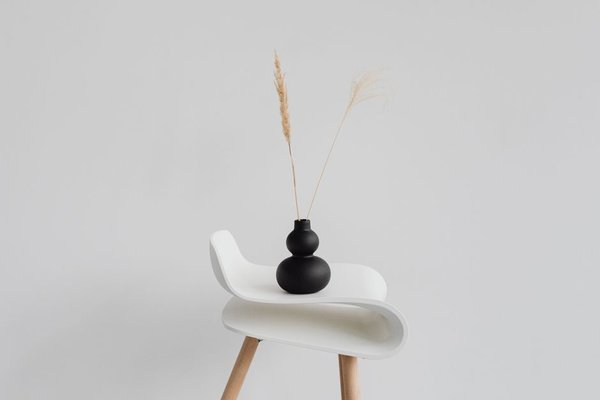
Minimalist and modern interiors are often grouped together because both can look clean, uncluttered, and calm. Yet they are not the same. Modern design is rooted in a historical movement, while minimalism is a broader philosophy built around keeping only what is useful, meaningful, and visually necessary.
The minimalist vs modern interior design question is really about how you want your home to function. Do you prefer warmth, natural materials, and iconic twentieth-century shapes? Or do you want fewer possessions, quieter surfaces, and greater restraint? The answer may lead you toward one style or a blend of both.
What Is Modern Interior Design?
Modern interior design developed from the modernist movement of the early to mid-twentieth century. It rejected ornate historical styles in favor of practical layouts, honest materials, clean lines, functional furniture, and a clear connection between form and purpose.
A modern room is not necessarily stark. Warm wood, leather, glass, steel, and stone can appear together. Neutral schemes may include controlled accents such as earthy green, burnt orange, mustard, or teal, creating a look that is streamlined but expressive.
What Is Minimalist Interior Design?
Minimalist interior design removes excess so each remaining element has space to breathe. Influenced by modernism, it places greater emphasis on simplicity, visual quiet, deliberate ownership, concealed storage, and limited decoration.
Minimalism does not require an empty white box. It can include texture, natural materials, soft lighting, artwork, and personal objects. The difference is that these elements are edited, allowing negative space to become part of the composition.
Modern vs Minimalist: The Key Differences
Design Philosophy
Modern design follows a recognizable visual language linked to a historical era. Its focus is functional beauty, efficient forms, and a break from ornate tradition. Minimalism is less tied to one period. It is an approach to living and decorating that asks what can be removed without reducing comfort or usefulness.
A room can therefore be modern without being minimalist. A modern living room may contain sculptural chairs, a bold rug, a wooden sideboard, artwork, and statement lighting. The pieces may have clean lines, but the room is still layered. A minimalist room would usually contain fewer pieces and more open space.
Color and Contrast
Both styles commonly use neutral foundations, which causes much of the confusion in a design styles comparison. Modern interiors are generally more open to contrast and period-inspired color. A cream sofa might sit beside a walnut cabinet, a black metal lamp, and a rust-colored chair.
Minimalist palettes tend to be narrower. White, warm beige, grey, soft brown, and muted black may repeat across walls, textiles, and furniture. Variation comes through tone and texture rather than numerous accent colors. The goal is cohesion and calm, not visual emptiness.
Furniture and Materials
Modern furniture often becomes a feature in its own right. Tapered legs, low profiles, geometric forms, molded shells, and exposed frames are common. Timber, steel, glass, and leather are often mixed so their structure and character remain visible.
Minimalist furniture is usually quieter. Its form is simple, its function is clear, and it does not compete with the room. Storage beds, handleless cabinets, slim tables, and modular seating work well because they reduce visual clutter. Repeating one wood or stone finish can create continuity.
Decoration and Personal Objects
Modern design allows curated decoration, especially pieces with strong shape or historical character. Graphic prints, ceramics, lamps, and sculptural accessories can reinforce the style. Minimalism uses decoration more sparingly. One large artwork may replace a gallery wall, while a single handmade bowl may take the place of several small accessories.
The practical test is not whether an object is decorative, but whether it contributes enough to justify its presence. Minimalism asks for editing. Modern design asks for visual consistency.
Contemporary vs Minimalist Is a Different Comparison
Modern and contemporary are not interchangeable. Modern design refers to an established movement and its lasting visual principles. Contemporary design describes what feels current now, so it changes over time. A contemporary room may borrow minimalist surfaces, curved furniture, warmer neutrals, sustainable materials, or newer technology.
When comparing contemporary vs minimalist interiors, think of contemporary as time-sensitive and minimalist as reduction-focused. A home can be contemporary, minimalist, both, or neither. Keeping these definitions separate prevents shopping decisions based only on broad retailer labels.
A Practical Living Room Example
Imagine a small living room with a sofa, television, books, and limited storage. A modern approach might use a walnut media unit, a low-profile sofa, a glass coffee table, an angular floor lamp, and two colorful prints. The layout remains open, but the furniture and artwork give the room character.
A minimalist version might use a wall-mounted television, one closed cabinet, a compact neutral sofa, a nesting table, and a single large artwork. Books would be edited or stored behind doors. The biggest difference is not the wall color; it is the number of visible objects and the amount of open space.
Photograph your room from the doorway. If the image feels crowded, remove small accessories first, then check whether any furniture duplicates another item’s function. This lets you test minimalist principles before spending money on replacements.
Which Style Is Right for You?
Choose modern design if you enjoy distinctive furniture, material contrast, twentieth-century influence, and a home that feels streamlined but collected. Choose minimalism if easy maintenance, hidden storage, fewer possessions, and visual calm are higher priorities.
Many homes benefit from a hybrid. You might use modern furniture and warm timber while applying minimalist rules to storage and decoration. Natural internal linking opportunities include minimalist living room ideas, choosing a neutral color palette, and modern furniture layout principles.
Frequently asked questions
Is minimalist interior design the same as modern design?
No. Modern design is associated with a historical movement and a particular visual language. Minimalism is an approach based on reducing excess and keeping purposeful elements. They overlap, but one does not automatically create the other.
Can a modern home also be minimalist?
Yes. Modern materials and furniture can be used within a minimalist layout. Limiting the number of pieces, simplifying the palette, and using concealed storage can make a modern interior feel more minimalist.
Does minimalism always mean white walls?
No. Minimalist rooms can use beige, grey, brown, muted green, charcoal, or other restrained colors. Consistency, simplicity, and controlled contrast matter more than choosing white.
Which style is easier to maintain?
Minimalist interiors are often easier to clean because they contain fewer exposed objects and less furniture. However, they require regular editing and effective storage. A modern room can also be low-maintenance when its layout and storage are planned well.
Finding the Balance That Fits Your Home
The clearest difference in minimalist vs modern interior design is intention. Modern style expresses functional design through recognizable forms, materials, and twentieth-century influence. Minimalism reduces the room until function, comfort, and a small number of meaningful details remain. Use the comparison to decide how much visual variety, decoration, storage, and open space support the way you actually live.