
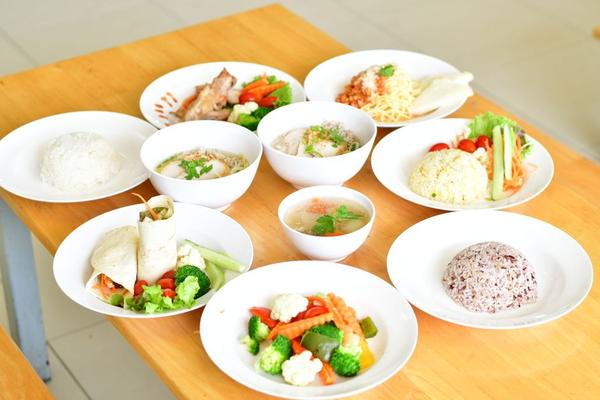
What are practical light diet ideas for everyday meals?
Practical light diet ideas center on familiar foods, moderate portions, and meals that still contain protein, produce, whole grains, or other satisfying staples. Keep preparation simple, use a plate or bowl that makes portions easy to see, and plan repeatable breakfasts, lunches, and dinners instead of relying on tiny meals that leave you hungry.
Light eating works best when it feels ordinary enough to repeat. The goal is to make everyday meals easier to portion and prepare without making them miniature.
What does a light daily meal pattern look like?
A practical day has regular meals built from recognizable foods rather than a string of low-volume snacks. Give each meal a clear base, add produce, include a satisfying protein, and keep rich extras measured instead of letting them become the whole meal.
If you are collecting broader light ideas, start with meals you already eat and adjust the serving setup before changing the whole menu. For mornings, light breakfast ideas can follow the same rule: one dependable base, one protein source, and fruit or vegetables where they fit naturally.
Everyday meals that stay simple
- Greek yogurt, fruit, and oats: Use plain Greek yogurt, a measured spoonful of oats, and fresh fruit for a quick breakfast that still feels complete.
- Eggs with toast and vegetables: Pair eggs with one or two slices of whole-grain toast and a side of vegetables or fruit.
- Chicken and grain bowl: Build the bowl with vegetables, a modest scoop of brown rice or another whole grain, sliced chicken, and a measured dressing.
- Bean and vegetable soup: Choose a broth-based soup with beans and vegetables, plus a small piece of bread if you want more substance. It is one of the easiest light food ideas to portion ahead.
- Tuna or chickpea salad wrap: Fill a whole-grain wrap with tuna or chickpeas, crisp vegetables, and a measured spread.
- Turkey and avocado plate: Serve sliced turkey, avocado, cut vegetables, and whole-grain crackers when you want clear portions without cooking.
- Salmon with vegetables and potatoes: Pair baked salmon with a generous vegetable serving and a measured portion of potatoes instead of a heavy sauce.
- Pasta with vegetables and protein: Keep pasta as one part of the plate, then add vegetables and chicken, beans, or shrimp. This keeps light meal ideas familiar rather than restrictive.
- Rice bowl with tofu and vegetables: Combine tofu, vegetables, and rice with a small amount of sauce so each component stays visible.
- Soup and half sandwich: Pair vegetable or bean soup with half a protein-filled sandwich. For more variations, light soup ideas can be portioned ahead and matched with simple sides.
For the eating area itself, one practical wall choice is Benjamin Moore Pale Oak matched to #D8CFC4. Use it on walls and ceiling rather than introducing several competing finishes around a small dining setup.
#D8CFC4 · Benjamin Moore Pale Oak
Reads warmer and slightly pinker in south-facing light, while north-facing light makes it noticeably grayer. Use it on walls and ceiling for roughly 60 percent of the room so the dining backdrop stays consistent.
Which foods help make lighter meals more filling?
Lighter meals are more useful when they still contain foods with enough protein, fiber, volume, or fat to feel satisfying. Build from filling components first, then keep richer additions measured instead of simply making the whole plate smaller.
- Protein: Eggs, Greek yogurt, chicken, fish, tofu, beans, lentils, and turkey give the meal a clear center.
- Produce: Vegetables, fruit, salad ingredients, and broth-based soups can add substantial volume.
- Whole grains and starchy sides: Oats, brown rice, whole-grain bread, and potatoes can make a lighter plate feel complete when the portion is visible.
- Measured fats and sauces: Avocado, nuts, seeds, dressings, and spreads add flavor when they are spooned or portioned rather than poured freely.
Many healthy light meal ideas fail because they remove too much at once. A bowl of leaves with almost no protein or starch may look light but often does not function like a proper meal, so keep at least one dependable protein source and enough total food that the meal feels finished.
How can portions stay practical without becoming restrictive?
Use visible, repeatable serving cues rather than trying to make every meal tiny. A standard plate, bowl, or meal-prep container creates a physical boundary while still leaving room to adjust for hunger, activity, and the rest of your day.
A useful setup is to make roughly half the plate fruits and vegetables, then divide the remaining space between a protein food and grains or another starchy side. It gives light diet ideas a practical shape without turning lunch or dinner into a math exercise.
- Lunch or dinner plate 9 to 10 in diameter
- Soup or grain bowl 6 to 7 in diameter and about 2 in deep
- Meal-prep container about 8 x 6 x 2 in
- Clear table space per place setting about 24 in wide x 15 in deep
Keep portion tools convenient. A 9- to 10-inch plate lets you see the whole meal at once without weighing every ingredient, while a normal bowl or lunch container should hold a real meal rather than force under-eating.
If you are still hungry, increasing vegetables, fruit, soup, protein, or another basic component is different from automatically doubling dressings, cheese, spreads, or fried toppings. That distinction keeps portions flexible without making the plan feel punitive.
What are easy ways to plan lighter lunches and dinners for a week?
Plan a small set of repeatable components instead of seven completely different menus. Two proteins, two vegetable options, one or two grains or starchy sides, and a soup or wrap filling can produce several lunches and dinners without a complicated prep day.
Assign components rather than rigid recipes: chicken can become a grain bowl one day and a wrap the next, while beans can go into soup or a rice bowl. For evening planning, light supper ideas can help you rotate the same ingredients without repeating the exact plate.
A simple weekly rhythm
- Prep two proteins: Cook enough for several meals, or choose ready-to-use options that fit your routine.
- Prepare two vegetable bases: One raw and one cooked option make lunches and dinners feel different with little extra work.
- Make one grain or starchy side: Rice, potatoes, or another familiar base can be portioned as needed.
- Keep one quick backup meal: Soup, eggs, a wrap, or yogurt with fruit can cover a busy day.
- Leave one or two meals open: A weekly plan works better when it can absorb leftovers, social meals, or a change of mind.
Store dressings and richer additions separately so you can choose the amount at serving time. That keeps the base meals versatile.
When do light eating ideas stop being useful?
They stop being useful when “light” becomes a code word for making every meal as small as possible. Tiny salads, nearly empty bowls, and meal-prep boxes arranged with decorative gaps often work only in a photograph; they can look disciplined while failing to provide a satisfying everyday meal. Plans that require a separate recipe for every lunch and dinner can fail for the same reason: the preparation burden becomes harder to maintain than the food itself.
Do not force this approach if you are regularly hungry soon after eating, if you are skipping foods you enjoy just to keep a plate looking sparse, or if normal social meals start feeling like mistakes. A practical meal should still look and feel like food you would willingly eat on an ordinary Tuesday. People with medical conditions, special nutrition needs, a history of disordered eating, or prescribed diets should use guidance from an appropriate qualified health professional rather than applying a generic light-eating template.
Frequently asked questions
Can light meals still include bread, rice, pasta, or potatoes?
Yes. A lighter meal does not require eliminating starchy foods; keep them as one part of the meal and pair them with produce and a protein source. Visible portions make the overall plate easier to judge.
Are salads required for a light eating plan?
No. Soup, grain bowls, wraps, egg dishes, yogurt bowls, fish with vegetables, and many other meals can follow the same approach. The useful part is the structure and portion visibility, not whether the meal contains lettuce.
How many meals should I prep at once?
Prep only as far ahead as your schedule and food-storage habits make practical. It is often easier to prepare versatile components for several meals than to assemble an entire week of identical containers.
What is the easiest way to keep sauces from making a meal heavy?
Serve sauces and dressings on the side or add them with a spoon so the amount stays visible. You can add more after tasting, which is easier than trying to remove excess once the meal is mixed.
Do light diet ideas work for family dinners?
They can, especially when everyone shares the same basic protein, vegetables, and sides and adjusts portions at the table. That is usually simpler than cooking a separate “diet meal” for one person.
The best light diet ideas are the ones that still look like normal meals and can survive a busy week. Use familiar foods, visible portions, and repeatable components, then adjust the amount to real hunger rather than chasing a plate that only looks minimal.