
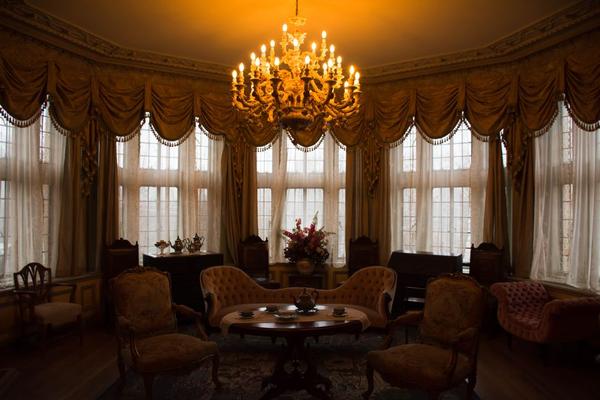
How can victorian style interior design feel comfortable today?
Victorian style interior design uses decorative woodwork, substantial furniture, layered textiles, patterned surfaces, and carefully placed objects to give a room historical character. Keep the architectural details that already exist, choose one dominant pattern, use a measured paint palette, and leave clear walking paths. Modern seating and lighting can make the room genuinely usable.
A convincing Victorian room does not need to resemble a museum display. Start with the features you can see and touch, then decide how much ornament your room can carry without losing daylight or floor space.
Definition: Victorian interiors draw on domestic design during Queen Victoria’s reign, from 1837 to 1901, a period that included several revivals rather than one uniform look. In practical terms, the style favors visible craftsmanship, framed surfaces, layered fabric, substantial silhouettes, and collected objects. This is one branch of style interior design, not a rule that every inch must be decorated.
Which details make a room look Victorian?
Strong Victorian character usually comes from the room’s architecture first: substantial trim, paneled doors, a fireplace surround, and layered window treatments. A few well-chosen period references establish the style more convincingly than filling every shelf with antiques.
Prioritize details that belong to the room
Look at the ceiling height, existing baseboards, door casings, and the shape of the windows before purchasing furniture. In an older home, preserve sound original moldings rather than covering them with fashionable finishes. In a newer home, one appropriately scaled picture rail or a substantial framed mirror can suggest the period without pretending the house is older than it is.
- Wall articulation: Picture rails, wainscoting, and defined trim lines create the layered wall treatment associated with the era.
- Fireplace focal point: An existing mantel, tiled surround, or safely displayed fireplace screen gives furniture a natural orientation.
- Furniture shape: Turned legs, tufted upholstery, and carved details work best when not every item competes for attention.
- Personal collections: Books, framed art, and ceramics feel purposeful when grouped by subject or size rather than scattered across every surface.
A ceiling medallion is attractive only when its scale suits the ceiling and light fixture. If installing or relocating a wired fixture, have a qualified electrician handle the electrical work; decoration is not a reason to improvise around wiring. In a rental, concentrate on freestanding mirrors, textiles, and furniture rather than adhesive trim that could harm existing finishes.
What paint colors suit Victorian interiors?
A workable palette gives architectural details definition without making every wall an accent wall. Base Victorian decor on two specified paints, then reserve the remaining visual share for visible wood, metal, and textiles rather than adding several competing paint colors.
For the main walls, consider Benjamin Moore Pale Oak, represented here by #D8CFC4. Paint a large sample near a window and a corner before buying gallons, because reflected light and nearby furnishings change the result.
#D8CFC4 · Benjamin Moore Pale Oak
It looks warmer with a slight pink cast in south-facing sun and grayer in north-facing light. Plan for roughly 68 percent of the room’s visible surfaces, primarily walls and selected ceiling areas.
For a single emphatic surface, Sherwin-Williams Naval, represented by #2F3D4C, can give a bookcase, door, or mantel wall more weight. Keep the accent concentrated rather than repeating it on unrelated pieces of furniture.
#2F3D4C · Sherwin-Williams Naval
North-facing daylight makes this finish feel cooler and more shadowed; south-facing sun reveals more of its blue character. Give it about 22 percent of the visible scheme, with the final 10 percent in wood, brass, and fabric.
Check the room, not only the paint chip
Paint samples should be viewed in morning, afternoon, and lamplight. A north-facing room may need a larger area of the main wall paint to keep the room from feeling visually compressed, while a south-facing room can usually carry the accent more easily. Do not decide based on a phone image, which can shift both brightness and undertone.
How do you mix Victorian furniture with modern pieces?
Pair one or two ornate anchor pieces with contemporary furniture that supports ordinary sitting, storage, and cleaning. Modern Victorian style keeps similar visual weight across the room without matching every chair leg, sofa arm, and cabinet profile.
Choose comfort first, then the historical reference
Start with the seat you use most. A sofa around 78 to 84 inches wide can sit comfortably beside a carved side table if the table remains proportionate to the sofa arm. An antique cabinet should earn its floor space by holding books, dishes, or linens, not merely by looking old.
| Room element | Victorian reference | Everyday modern partner |
|---|---|---|
| Main seating | Tufted settee with curved arms | Supportive sofa with simple arms |
| Storage | Carved cabinet or glass-front bookcase | Plain closed storage for daily clutter |
| Lighting | Decorative pendant or traditional shade | Task lamp with accessible switch |
| Side furniture | Turned-leg occasional table | Clean-lined coffee table with practical top |
| Art display | Ornate framed portrait or landscape | One large artwork with restrained frame |
Make the layout work at human scale
In a 12 by 15 foot living room, establish a clear route between the door and the main seats before positioning a display cabinet. A chair that looks right in a catalog may block access to a window or reduce a passage to a sideways squeeze. Tape the footprint on the floor for a day before ordering a large piece.
- Sofa to coffee table 16 to 18 in
- Main walking path 36 in clear
- Secondary path beside an armchair 30 in clear
- Living room rug with front sofa legs on it 8 x 10 ft in a 12 x 15 ft room
- Center of framed artwork 57 in above the floor
A chair that is rarely comfortable should not be the main television seat. For related British-influenced rooms, tudor style interior design and georgian style interior design help clarify which historical details appeal to you.
Which patterns and fabrics work best in a Victorian room?
Botanical prints, damask, stripes, and woven textures can all suit the style, but one pattern should lead. Use durable upholstery where people sit and reserve fussy fabric or intricate repeats for places that see less wear.
Give each textile a job
| Textile location | Period-inspired treatment | Practical choice today |
|---|---|---|
| Window | Full-length patterned drapery | Washable panels with a lining where privacy is needed |
| Sofa | Velvet or tufted upholstery | Performance fabric with a removable cushion cover |
| Floor | Intricate floral rug | Low-pile rug that clears doors and vacuums easily |
| Accent seat | Small-scale damask or botanical print | Pattern confined to one chair or cushion |
| Wall | Repeating wallpaper motif | Framed patterned panels when permanent paper is unsuitable |
When does Victorian decorating not work in a small room or a rental?
Full-length heavy curtains, oversized carved wardrobes, crowded gallery walls, and multiple patterned wallpapers often look wonderful in staged photographs. In a 10 by 11 foot room, they can make the usable space feel smaller and prevent drawers or doors from opening completely. A display that needs daily dusting is also a poor choice if you already struggle to keep the room organized.
North-facing rooms present another limit. Heavy window treatments can take away scarce daylight, and a large expanse of accent paint may look almost black for much of the day. Do not copy an editorial image without checking its natural light and floor plan.
For households with young children or energetic pets, unstable antique stands, delicate tassels, and unsecured tall cabinets are avoidable hazards. Anchor tall furniture appropriately with suitable hardware where permitted; if a rental prohibits mounting, choose lower stable storage and ask the landlord about approved safety measures. Skip fragile collections at child height.
On a tight budget, repair useful furniture first and buy fewer pieces. Reproduction ornament, custom drapery, and full-room wallpaper can cost far more than the photograph suggests, without improving comfort.
Frequently asked questions
Can a modern apartment have Victorian character?
Yes. Use one carved or tufted piece, a substantial mirror, and a deliberately chosen textile pattern while keeping the circulation clear. Freestanding objects are particularly useful where permanent architectural changes are prohibited.
Do all Victorian rooms need antiques?
No. A single vintage cabinet can provide an authentic reference while newer furniture handles seating and storage. Check older pieces for stability, odors, and usable dimensions before purchasing.
Is wallpaper necessary for the look?
No. Defined trim, framed art, textiles, and furniture silhouettes can communicate the period without wallpaper. If you rent, use artwork rather than assuming temporary wallpaper will release cleanly.
How many patterned fabrics should one room contain?
Begin with one dominant print on a rug, chair, or curtain and add a smaller supporting pattern only if the large surfaces remain calm. Repeat a motif or scale deliberately instead of introducing unrelated prints.
Can Victorian-inspired furniture work in a family living room?
Yes, provided seats are comfortable, traffic routes stay open, and storage is usable. Save delicate trims and fragile objects for places away from pets and children.
The best Victorian-inspired room keeps its original character without making everyday life difficult. Choose the architectural detail worth highlighting, commit to a controlled paint plan, and test furniture clearances before adding another decorative layer.