
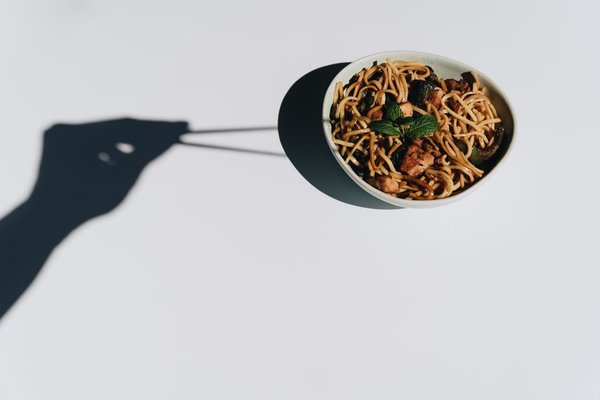
What are the best light pasta ideas for weeknights?
The best light pasta ideas use moderate pasta portions, plenty of vegetables, and sauces built from tomatoes, lemon, broth, herbs, or a small amount of cheese instead of heavy cream. Aim for about 2 ounces of dry pasta per person, then add vegetables and lean protein so the bowl still feels complete.
A lighter pasta dinner does not need to feel like a reduced version of the real thing. The most satisfying bowls keep the pasta, then use sharper flavors, vegetables, and measured portions so the meal has contrast, texture, and enough substance for dinner.
Which sauces keep pasta dishes feeling light?
Tomato, lemon, broth, herb, and yogurt-based sauces usually keep a pasta dish lighter than a sauce built around a large amount of cream, butter, or cheese. The key is to coat the noodles rather than bury them, then use pasta water to help a smaller amount of sauce cling evenly.
| Sauce style | What keeps it light | Best match |
|---|---|---|
| Lemon-garlic pan sauce | Lemon juice, zest, garlic, and a little olive oil provide strong flavor without a heavy base | Spaghetti, shrimp, zucchini |
| Tomato-basil sauce | Crushed tomatoes create body while basil and red pepper add freshness and heat | Penne, chicken, spinach |
| Broth and Parmesan | A small amount of Parmesan thickens broth and pasta water without turning the bowl creamy | Orzo, peas, mushrooms |
| Greek-yogurt herb sauce | Plain yogurt adds tang and creaminess with less richness than a cream sauce | Short pasta, peas, herbs |
For more dinners built around the same principle, light recipe ideas work best when acid, herbs, and vegetables do most of the flavor work. You can also use light soup ideas as a guide for turning broth, greens, beans, and small pasta shapes into a satisfying one-bowl meal.
What vegetables work best in lighter pasta meals?
Vegetables that cook quickly and keep some texture are the easiest choice: zucchini, asparagus, peas, spinach, cherry tomatoes, broccoli, mushrooms, and bell peppers all work well. Use roughly as much cooked vegetable as cooked pasta by volume when you want the bowl to feel abundant without simply increasing the noodles.
For a fast dinner, sauté firm vegetables first, then fold in delicate greens at the end. Roasted vegetables are useful when you want deeper flavor, but a skillet is usually faster on a weeknight and creates fewer dishes.
If you are serving the meal in an eat-in kitchen, a restrained backdrop keeps the food visually clear without needing a styled photo setup. Benjamin Moore Pale Oak at #D8CFC4 is a practical wall reference for that kind of space.
#D8CFC4 · Benjamin Moore Pale Oak
Reads warmer in south-facing light and noticeably grayer in north-facing light. Use it on walls and ceiling, roughly 60 percent of the room, rather than spreading the same color across every furnishing and surface.
The food itself should carry the contrast. Bright tomatoes, green vegetables, toasted breadcrumbs, herbs, and a small amount of grated cheese make the bowl look finished without relying on oversized portions.
How much dry pasta should you cook per person?
For a lighter main meal, about 2 ounces of dry pasta per adult is a useful starting point. Increase the vegetables and add beans, chicken, shrimp, tuna, or another protein if you need a more filling dinner rather than automatically doubling the pasta.
Long pasta is easiest to portion by weight, while short shapes can vary widely by volume, so a small kitchen scale is more reliable than a measuring cup. If you are building healthy light meal ideas, the plate feels more generous when the pasta is spread through vegetables and protein instead of piled by itself.
- Dinner bowl diameter 9 to 10 in
- Place setting width 24 in per person
- Chair pull-back space 36 in minimum
- Pendant above dining table 30 to 36 in
Those dimensions matter if the meal is served at a small dining table: a wide bowl needs enough place-setting width, and chairs need a real pull-back zone. For a broader set of practical light ideas, keep the same rule of using exact portions and exact dimensions rather than vague advice.
Which light pasta dishes can be made in under 30 minutes?
Most quick lighter pasta dinners work best with ingredients that cook in the same time as the noodles. Start the sauce while the water heats, reserve some pasta water before draining, and finish the pasta in the pan so the sauce coats it evenly.
- Lemon shrimp spaghetti: Toss spaghetti with sautéed shrimp, lemon zest, lemon juice, garlic, parsley, and a small amount of olive oil. Add a spoonful of pasta water at the end so the sauce turns glossy without extra butter.
- Tomato-spinach penne: Simmer crushed tomatoes with garlic and red pepper while the pasta cooks, then fold in spinach just before serving. A little Parmesan gives salt and depth without making the sauce heavy.
- Zucchini and basil linguine: Sauté thin zucchini slices until just tender, then add basil, lemon, black pepper, and pasta water. This is one of the easiest light meal ideas when you want a vegetable-heavy bowl that still tastes like pasta dinner.
- Pea and herb orzo: Cook orzo until tender, stir in peas during the final minutes, then finish with parsley, mint, lemon, and a spoonful of grated Parmesan. The small pasta shape makes a modest portion feel substantial.
- Chicken, broccoli, and garlic rotini: Use thin strips of chicken so they cook quickly, add small broccoli florets, then combine with rotini, garlic, lemon, and pasta water. The broccoli adds bulk and texture without requiring a separate side dish.
- Mushroom broth pasta: Brown sliced mushrooms, add low-sodium broth, black pepper, and thyme, then toss with a short pasta shape. Finish with a small amount of Parmesan so the broth clings instead of sitting at the bottom of the bowl.
- White bean and tomato shells: Warm canned white beans with cherry tomatoes, garlic, and spinach, then fold in pasta shells. Beans make the meal more filling and are especially useful for light supper ideas that need to feel complete without a large meat portion.
- Greek-yogurt pea pasta: Stir plain Greek yogurt with lemon, black pepper, herbs, and a little hot pasta water before combining it with pasta and peas. Keep the yogurt off direct high heat so the sauce stays smooth rather than splitting.
These dishes are flexible, but the portion strategy stays the same: keep the pasta moderate and make the rest of the bowl do real work. That is more satisfying than simply serving less food.
When do lighter pasta ideas not work well?
They do not work well when “light” is treated as a visual trick instead of a meal. A tiny nest of noodles in an oversized bowl, three pieces of asparagus arranged for a photo, or a teaspoon of sauce spread across a plate may look polished online, but it is not a useful dinner for someone who is hungry. The same problem shows up when recipes remove most of the fat and salt without replacing flavor with lemon, herbs, tomatoes, browned vegetables, broth, or seasoning.
These ideas also fall short for households that need higher-calorie meals, very large portions, or food that must hold for a long time before serving. Yogurt-based sauces are poor choices if the pasta will sit over heat, and delicate greens become limp when reheated repeatedly. On a tight budget, do not buy six fresh herbs for one bowl; choose one herb, one vegetable, and a pantry protein such as beans. The practical version should taste good from a normal bowl at a normal table, not only in a photograph.
Frequently asked questions
Can you make a light pasta dinner without using whole-wheat pasta?
Yes. Regular pasta works well when you keep the portion moderate and add vegetables, beans, seafood, or lean meat for volume and substance. The sauce and serving balance matter more than changing the noodle solely to make the meal feel lighter.
What protein works well with lighter pasta?
Shrimp, chicken, tuna, white beans, chickpeas, and a modest amount of cheese all fit easily. Choose a protein that cooks quickly so the dish stays practical for a weeknight rather than turning into a separate cooking project.
How do you keep light pasta from tasting bland?
Use acid, salt, herbs, garlic, black pepper, toasted breadcrumbs, chile, or a measured amount of Parmesan to build contrast. A lighter sauce still needs strong seasoning; reducing richness should not mean removing flavor.
Can light pasta be meal-prepped?
Tomato-based and broth-based versions usually reheat better than yogurt-based sauces or very delicate greens. Store a little extra sauce or broth separately so the pasta can be loosened during reheating instead of drying out.
What is the easiest way to make pasta feel more filling without adding more noodles?
Add a generous amount of vegetables plus a protein such as beans, chicken, or shrimp. Using a wide 9- to 10-inch bowl also spreads the ingredients out so every bite contains more than pasta alone.
The best lighter pasta dinners keep the pleasure of pasta and simply build the bowl more intelligently. Use a sensible noodle portion, a strongly flavored sauce, plenty of vegetables, and enough protein to make dinner feel finished rather than restricted.