
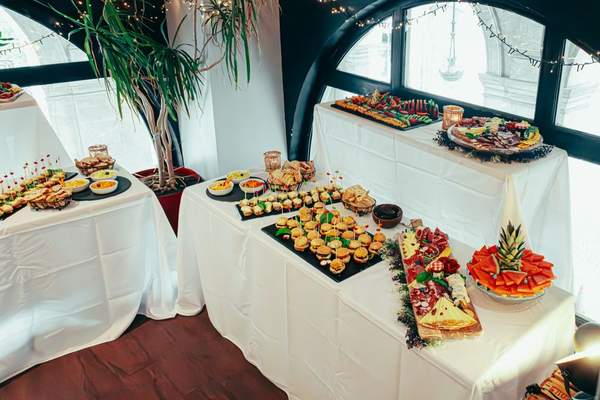
What are some practical light food ideas?
Useful light food ideas combine protein, produce, whole grains or other satisfying carbohydrates, and a small amount of fat without turning the plate into a heavy meal. Think yogurt with fruit, soup with toast, grain bowls, egg-based lunches, crisp vegetables with hummus, or smaller portions of familiar supper foods.
A lighter meal should still feel complete enough to carry you to the next meal or snack. Build around a clear protein source, add produce, then choose a portion of bread, grains, potatoes, fruit or another carbohydrate that suits the time of day.
Light food ideas for snacks, lunches and suppers
These options are simple to portion and adjust rather than tied to one rigid definition of “light.” For a broader starting point, the site’s light ideas hub can sit alongside this food-focused list.
- Greek yogurt, berries and oats: Use 3/4 cup plain Greek yogurt, 1/2 cup berries and 1/4 cup rolled oats for a snack or small breakfast that combines protein, fruit and a measured grain portion.
- Hummus, vegetables and pita: Pair 1/4 cup hummus with about 1 1/2 cups sliced cucumber, bell pepper and carrots plus half a 6-in whole-wheat pita. It is one of the easiest light snack ideas to pack without needing a full meal container.
- Egg and spinach toast: Top one slice of whole-grain toast with one cooked egg and a handful of spinach. Add a piece of fruit if this needs to function as lunch rather than a snack.
- Chicken and chopped salad bowl: Start with 3 to 4 oz cooked chicken, 2 cups chopped vegetables and greens, then add 1/2 cup cooked grains or beans and 1 to 2 tablespoons dressing. Keep wet ingredients separate until serving if the bowl will sit for several hours.
- Tomato soup with toast and cottage cheese: Serve about 1 1/2 cups soup with one slice of whole-grain toast and 1/2 cup cottage cheese. If you are collecting light soup ideas, this pattern works well because the protein is visible and easy to scale.
- Apple, peanut butter and milk: Slice one medium apple and pair it with 1 to 2 tablespoons peanut butter plus 8 fl oz milk or fortified soy milk. This is especially useful when you need food that takes less than five minutes to assemble.
- Small baked potato with beans: Top a 5 to 6 oz baked potato with 1/2 cup beans and a spoonful of plain yogurt. Add chopped scallions or salsa if you want more flavor without making the portion much larger.
- Whole-grain wrap with chicken and vegetables: Fill one 8-in tortilla with 3 oz chicken, lettuce, tomato and shredded vegetables, then use a thin layer of hummus or yogurt-based spread. Wrap it tightly enough to hold together, but do not overfill it.
- Vegetable omelet with a side salad: Cook two eggs with about 1 cup chopped vegetables and serve with a simple salad or a slice of toast. For more evening options, see light supper ideas and use the same portion-first approach.
Which light foods are satisfying enough for a meal?
The most satisfying choices contain enough protein plus either fiber-rich carbohydrates or a measured amount of fat. A plate made only from raw vegetables or fruit may look light, but it often works better as a side or snack than as a complete meal.
A useful pattern is 3 to 4 oz cooked poultry or fish, two eggs, 3/4 to 1 cup beans, or another protein portion; at least 1 cup vegetables or fruit; and a moderate serving of grains, bread or potato. Those proportions make light meal ideas easier to repeat without relying on tiny portions.
For an eating area where you want the food colors to read clearly, Benjamin Moore Pale Oak #D8CFC4 is a practical wall backdrop rather than a strong competing color.
#D8CFC4 · Benjamin Moore Pale Oak
Reads warmer and very slightly pink in south-facing light, while north-facing light pulls it noticeably grayer. Use it on walls and ceiling for roughly 60 percent of the visible room so tableware and food remain the smaller accents.
What light foods travel well for work or school?
Foods travel best when wet and dry parts stay separate until you eat. Grain bowls, wraps, yogurt, fruit, hummus packs and snack boxes are reliable because each part can be measured and packed ahead.
Use a leak-resistant container and keep dressings, salsa or cut tomatoes in a separate cup. Foods that require refrigeration should stay properly chilled in an insulated lunch bag with ice packs.
| Packable food | Best container setup | Practical serving size |
|---|---|---|
| Greek yogurt with berries | 12 to 16 fl oz lidded container | 3/4 cup yogurt plus 1/2 cup fruit |
| Hummus and vegetables | Two-compartment snack box | 1/4 cup hummus plus 1 1/2 cups vegetables |
| Chicken grain bowl | 24 to 32 fl oz bowl with separate dressing cup | 3 to 4 oz chicken plus 1/2 cup grain and 1 cup vegetables |
| Whole-grain wrap | Wrapped tightly, then placed in a 7 to 8 in container | One 8 in wrap with about 3 oz protein |
| Apple and peanut butter | Small produce box plus 2 fl oz condiment cup | One medium apple plus 1 to 2 tablespoons peanut butter |
If your routine starts early, light breakfast ideas that can be packed the night before use the same separation rule: keep crunchy items dry and add them just before eating.
Which light foods can be prepared ahead?
Soups, cooked grains, beans, roasted vegetables, hard-cooked eggs, washed fruit and portioned dips are easy foundations to prepare ahead. The goal is to remove enough steps that assembly takes only a few minutes.
Cook one grain, one protein and one tray of vegetables, then portion them separately. That keeps light supper ideas from becoming repetitive and lets you change the sauce, fruit or crunchy element through the week.
- Store wet dressings and cut tomatoes separately from greens.
- Portion nuts, crackers and granola before adding them to a lunch bag.
- Cool cooked foods promptly and refrigerate them in shallow containers.
- Label prepared foods with the date so the oldest items are used first.
How can you build a balanced plate from lighter ingredients?
Start with protein, add produce, then decide whether the meal needs grain, bread, potato, fruit or another carbohydrate. Add a small amount of fat or dressing instead of trying to make the plate satisfying through volume alone.
A simple visual setup gives about half the plate to vegetables or fruit, roughly a quarter to protein and roughly a quarter to grains or other starchy foods. It is a flexible guide, but it gives light meal ideas a repeatable structure.
- Lunch plate diameter 9 to 10 in
- Meal-prep bowl capacity 24 to 32 fl oz
- Snack container capacity 12 to 16 fl oz
- Wrap tortilla diameter 8 in
- Dressing cup capacity 2 fl oz
When do lighter meals not work well?
Lighter food is not automatically better, and a plate that photographs neatly can be too small for the person eating it. A few cucumber slices, berries and a tablespoon of hummus may look polished in a lunch box, but that is closer to a snack than a dependable meal. The same problem applies to oversized salads with almost no protein or carbohydrate: they can be physically bulky while still leaving you hungry soon afterward.
These ideas also need adjustment for long workdays, sports, physically demanding jobs, pregnancy, medical nutrition needs, or anyone who simply has a higher energy requirement. In those cases, increase the protein, grain, bread, potato, beans, fruit or fat portion rather than trying to stay inside an arbitrary “light” label. Children also need age-appropriate portions and safe food preparation, not scaled-down adult diet food. If a clinician or registered dietitian has given you specific nutrition guidance, that plan should take priority over a general list like this one.
Frequently asked questions
Can a light meal include bread or pasta?
Yes. Bread or pasta can fit easily when the portion is clear and the meal also includes protein and produce. A smaller bowl of pasta with vegetables and chicken, beans or seafood is often more satisfying than removing the carbohydrate entirely.
What is a quick light snack with protein?
Plain Greek yogurt with fruit, cottage cheese with tomatoes, an egg with whole-grain toast, or hummus with vegetables are all straightforward choices. Pick a portion that matches whether you need a small snack or something substantial enough to bridge several hours.
How do I keep a light lunch from getting soggy?
Pack wet and dry components separately. Keep dressing, salsa, juicy tomatoes and cut fruit away from bread, crackers and greens until you are ready to eat.
Can I make a light supper from leftovers?
Yes. Use a smaller portion of the main leftover, then add vegetables, fruit or a simple side and check that there is still a clear protein source. This is usually more practical than cooking a separate “diet” meal.
The best light food ideas are not miniature meals; they are normal foods arranged in portions that suit your appetite and schedule. Keep a few proteins, produce options and easy carbohydrates ready, and you can assemble snacks, lunches and suppers without turning every meal into a project.