
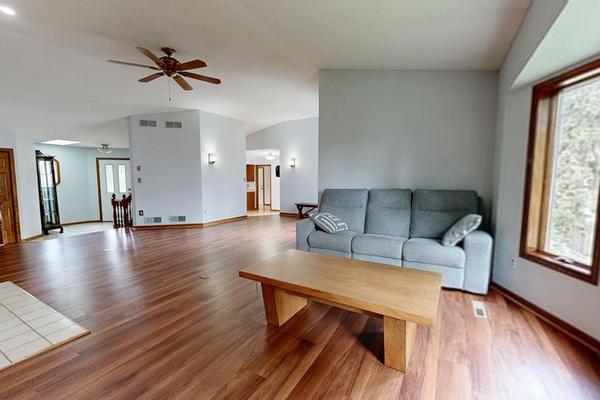
What should you check when comparing home staging companies tampa?
Search results for home staging companies tampa can cover everything from a one-time occupied-home consultation to full vacant staging with furniture, art, delivery, installation, rental time, and removal. Compare the exact rooms included, rental term, extension fees, install date, insurance, and destaging terms before choosing a quote.
Tampa sellers can find different service levels under the same “home staging” label, so compare scope rather than headline price: rooms staged, rental term, extension fees, and fit for the home’s price point and floor plan.
How much do home staging companies in Tampa charge?
Published Tampa-area starting prices currently put an occupied strategy session around $300, while vacant staging can start around $1,500. More complete vacant packages can start near $2,250 for an initial 60-day term, with custom packages around $3,500 and upward as property size, room count, logistics, and inventory level increase.
Use those figures as quote anchors rather than fixed market rates. Room count, square footage, access, inventory level, and staging duration can change the total substantially.
When comparing home staging companies, ask for a complete first-term total rather than a base figure followed by separate transport or rental charges.
What services do Tampa home stagers usually include?
Tampa stagers commonly offer occupied consultations, occupied staging, vacant staging, furniture and accessory rental, and pre-listing recommendations. Some also stage patios or pool areas or provide short-term-rental styling.
| Service detail | Occupied staging | Vacant staging |
|---|---|---|
| Furniture source | Primarily the seller’s existing pieces, with selective additions where offered | Stager-provided furniture, art, rugs, lighting, and accessories |
| Typical first step | Walk-through consultation and a prioritized preparation plan | Property review, room selection, inventory plan, and installation quote |
| Best fit | A home that already has usable furniture but needs editing and stronger layout | An empty property where buyers need scale and room-purpose cues |
| Seller workload | Often includes decluttering, packing, cleaning, and completing recommendations | Usually lower after the property is cleared and ready for install |
| Cost driver | Consultation time, hands-on styling, and any added rental pieces | Room count, furniture volume, delivery, installation, rental term, and pickup |
Layout is not cosmetic if furniture blocks a route or makes a room read smaller. Ask the stager to show you the proposed furniture footprint before installation, especially in compact living rooms and open-plan spaces.
- Sofa to coffee table 16 to 18 in
- Main walkway through a living room 30 to 36 in
- Dining chair pullback space 36 in from the table edge
- Area rug in a 12 x 15 ft living room 8 x 10 ft
- Art center height 57 to 60 in from the floor
If repainting a visually busy main room is part of the pre-listing plan, one concrete option is Benjamin Moore Pale Oak at #D8CFC4. It is restrained enough to support furniture and photography without becoming the main visual event.
#D8CFC4 · Benjamin Moore Pale Oak
Reads warmer and slightly pinker in south-facing light; in north-facing light it shifts noticeably grayer. Use it on walls and ceiling for roughly 60 percent of the visible room surfaces, then let flooring, cabinetry, furnishings, and textiles make up the balance.
How should you compare home staging companies in Tampa?
Compare each proposal line by line, not by portfolio photos alone. The company should explain what is included, what happens after the first rental term, and how quickly it can install and remove inventory.
- Match the package to the property: confirm the furniture scale and room coverage suit the home’s size, architecture, and asking-price bracket.
- Count the rooms actually included: make sure living areas, dining areas, the primary bedroom, bathrooms, office, bonus room, and outdoor areas are listed individually where relevant.
- Check the rental clock: record the installation date, included rental period, extension rate, and removal notice.
- Verify logistics: ask who handles delivery, pickup, building access, elevator reservations, and damage procedures.
- Review current work: look for staged homes with a similar size and price point, not only the company’s largest or most dramatic projects.
- Read cancellation terms: know what you owe if photography, listing, or access dates move after inventory is reserved.
Start with the site’s guide to home staging companies, then narrow the shortlist to local home staging companies serving your part of Tampa Bay. Ask who will oversee the actual installation.
How long does staging usually take in Tampa?
Once a contract is signed and inventory is reserved, the physical installation may be completed in a day, but the booking window can stretch to several days or roughly two weeks during busy periods. Build staging into the listing calendar before photography so the photographer is not waiting on furniture delivery.
Occupied projects move more smoothly when decluttering, packing, repairs, and cleaning are finished first. Vacant projects depend more on inventory, truck scheduling, access, and room count.
Finish cleaning and approved touch-up work first, stage second, and photograph third. For condos, check elevator reservations and insurance requirements before setting the install date.
What should you ask before hiring a Tampa home stager?
Ask questions that expose the full cost, timeline, responsibility, and exit plan. Know what arrives, how long it stays, and what you pay if the sale timeline changes.
- What rooms are included in this exact quote? A package name is not enough; get the room list.
- How long is the first rental term? Ask for the exact start date and the price of every extension period.
- Are delivery, installation, pickup, and sales tax included? If not, request those amounts before signing.
- What happens if my listing date changes? Confirm rescheduling fees and how long reserved inventory can be held.
- Can I review the room plan? You should understand the scale, coverage, and intended buyer fit before installation.
For local home staging companies, confirm the property address is inside the quoted service area before comparing totals.
When does professional staging not make sense on a tight budget?
Full-service staging does not automatically make sense for every seller. If the home is already clean, lightly furnished, correctly scaled, and easy to understand in person, paying for several rooms of replacement furniture may not improve the listing enough to justify the cost. On a tight budget, a paid consultation followed by disciplined editing can be the better use of money.
Be wary of setups that only work in a photograph. Oversized seating pushed into a small room, layers of accessories that reduce usable surfaces, or a dining arrangement that blocks a 30-inch path can look polished through a wide-angle lens and feel cramped during a showing. Homes with young children or pets can also make delicate rental accessories impractical because the seller remains responsible for keeping the installation presentable.
Staging also cannot correct serious maintenance, odor, moisture, electrical, plumbing, roof, or structural problems. Address safety and condition first with the appropriate qualified trade. Styling should clarify a sound property, not distract buyers from defects that still need attention.
Frequently asked questions
Do Tampa stagers provide the furniture for a vacant home?
Vacant-staging packages generally use the staging company’s own or rented furniture, rugs, art, lighting, and accessories. Confirm exactly which rooms are furnished and whether delivery, installation, rental time, and removal are included in the quoted amount.
Can a stager work with furniture I already own?
Yes. Occupied staging commonly starts with the seller’s existing furniture and focuses on editing, rearranging, decluttering, and selectively supplementing what is already there. Ask whether any added accessories or furniture carry a separate rental fee.
Is virtual staging enough for a Tampa listing?
Virtual staging can help empty rooms read more clearly in online photos, but it does not change what buyers experience at an in-person showing. If you use it, keep the listing presentation transparent and make sure the real room still has clear scale, condition, and access.
Do staging companies handle patios and pool areas?
Some Tampa-area providers offer outdoor or pool-area staging, especially where those spaces are central to the property’s appeal. Treat it as a separate scope item and confirm the furniture, weather policy, rental period, and removal terms in writing.
What happens to staged furniture when the home goes under contract?
The furniture normally stays until the agreed destaging date or is removed according to the contract. Ask how much notice the company needs for pickup and whether early removal changes the price you have already paid.
The best home staging companies tampa sellers can hire are not simply the ones with the most dramatic portfolio. Choose a proposal that fits the home, states the full first-term cost, and protects the listing timeline.
Get the room list, rental period, extension rate, install date, and removal terms in writing before you pay. That turns a visual service into a comparison you can actually make.