
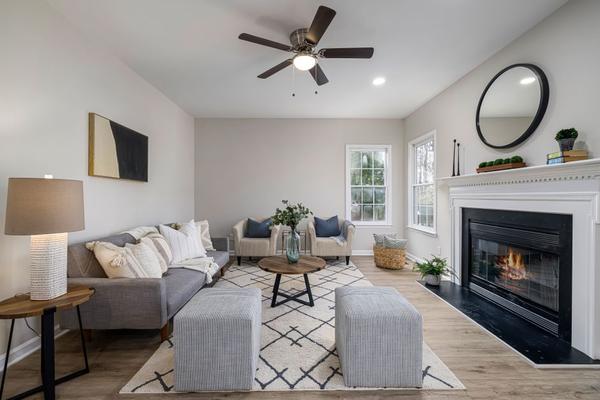
How should I choose between austin home staging companies?
The best austin home staging companies match the service level to your budget, property condition, and whether the home is occupied or vacant. Compare the written scope, furniture rental period, installation and removal terms, room priorities, and cancellation policy before you hire, rather than judging only by portfolio photos.
Austin sellers do not all need the same staging package. A lived-in home may need editing and room-by-room styling, while an empty property can require furniture, art, rugs, delivery, setup, and removal.
How much do home staging companies in Austin charge?
There is no single Austin price that fits every property because scope can range from a consultation to furnishing several empty rooms. Compare written quotes that separate design time, inventory or rental, delivery, installation, rental extensions, and removal.
For a tighter budget, prioritize the entry, main living area, dining area, primary bedroom, and any outdoor space that is a major selling point. A smaller written scope is easier to control than staging the whole property.
If you are comparing home staging companies austin tx, ask each one to quote the same rooms and the same rental period. That gives you a cleaner comparison than putting a consultation-only proposal beside a full vacant-staging proposal and treating the totals as if they cover the same work.
What services do Austin home stagers usually include?
Service menus commonly separate consultation, occupied staging, and vacant staging. The exact deliverables should be written into the proposal, including who supplies furniture, who moves existing pieces, what is rented, how long rental lasts, and what happens if the listing stays active longer than planned.
Occupied staging may focus on furniture placement, decluttering, art height, rug placement, and which existing items should leave before photography. Vacant staging is more likely to include furniture, rugs, lamps, art, accessories, delivery, setup, and pickup for named rooms.
If repainting is part of the preparation plan, use a color a buyer can actually identify rather than a vague description. Benjamin Moore Pale Oak OC-20, matched here as #D8CFC4, can work as a light wall color when the room and its natural light support it; sample it before committing because north-facing and south-facing rooms can shift it noticeably.
#D8CFC4 · Benjamin Moore Pale Oak OC-20
In south-facing light it reads warmer and can show a slight pink-beige cast; in north-facing light it drops cooler and grayer. Use it on roughly 60 percent of the visible room surfaces, mainly walls, and keep major furnishings and fixed finishes as the remaining visual balance.
- Sofa to coffee table 16 to 18 in
- Main walkway beside seating 30 to 36 in
- Dining chair pullback space 36 in minimum
- Living-room rug 8 x 10 ft in a 12 x 15 ft room
- Art center height 57 to 60 in from the floor
How should you compare home staging companies in Austin?
Compare the same scope, not just the final total. Ask every company to state which rooms are included, whether furniture is owned or rented, the initial rental period, extension terms, delivery and pickup responsibility, damage rules, and what support is available if a room needs to be reset before new photos.
The broader home staging companies guide can help you evaluate the basic service models before narrowing the choice to Austin. For local quotes, keep your checklist identical so each proposal can be read line by line.
Match the staging level to your seller budget
- Consultation-only: Best for the smallest budget when you can move, edit, and style your own existing furniture from a written room plan.
- Owner-executed occupied plan: Useful when the house is furnished but needs stronger layout, editing, and photo-day preparation without bringing in a full furniture package.
- Partial occupied staging: A focused middle ground when selected rooms need rental pieces or accessories to correct scale, function, or visual gaps.
- Targeted vacant staging: Prioritizes the key rooms buyers need to understand rather than furnishing every empty room in the property.
- Full-property vacant staging: The highest-commitment option, appropriate only when the proposal, listing strategy, and expected marketing period justify furnishing a larger portion of the home.
| Project detail | Occupied staging | Vacant staging |
|---|---|---|
| Furniture source | Primarily the seller’s existing pieces, with selected additions if included | Stager-supplied or rented furniture for specified rooms |
| Seller preparation | Editing belongings, clearing surfaces, and completing agreed moves before styling | Leaving agreed rooms empty, clean, repaired, and ready for installation |
| Budget pressure | Usually driven by consultation, styling time, and selective rental additions | Usually driven by inventory, delivery, installation, rental duration, and removal |
| Daily living | Must stay workable for the household between showings | No need to preserve normal household routines |
| Contract detail to check | Responsibility for moving or storing the seller’s belongings | Rental extension, damage, pickup, and access terms |
How long does staging usually take in Austin?
The timeline depends on whether the work is advisory, occupied, or vacant, and on how much seller preparation must happen before styling begins. Ask for separate dates for consultation, proposal approval, prep deadline, installation, photography readiness, and removal so one vague “staging date” does not hide several dependencies.
A consultation can produce a plan quickly, but the seller may still need time for cleaning, repairs, packing, paint, furniture moves, and storage. Vacant staging adds inventory scheduling, loading, delivery, installation, and later pickup, so availability should be confirmed before listing photography is booked.
If timing is tight, local home staging companies may differ in the inventory and labor available for your target week. Confirm installation availability before booking the photographer.
What should you ask before hiring an Austin home stager?
Ask questions that expose the real scope, not just the visual style. You want to know exactly what the company will supply, what you must do first, how long the initial agreement lasts, and what extra work can trigger additional charges or a schedule change.
Use the same questions with every bidder so the answers are comparable:
- Room scope: Which rooms are included, and which rooms will remain unstaged?
- Inventory: Which furniture, rugs, lighting, art, and accessories are included in the written proposal?
- Preparation: What cleaning, repair, packing, painting, or furniture removal must be completed before installation?
- Rental period: What dates are included, and how are extensions handled if the home remains on the market?
- Access and removal: Who must be present for installation and pickup, and how much notice is required?
- Changes: What happens if a listed item becomes unavailable or a room needs to be restyled before photography?
Also ask for proof of business insurance and a clear damage policy when company-owned or rented inventory will be placed in the property. A good proposal should make responsibilities readable before anything is delivered.
When does professional staging not make sense on a tight seller budget?
Full staging does not automatically make sense just because the listing is going live. If the home is already clean, appropriately furnished, and easy to understand in photographs, spending heavily to replace usable furniture may add cost without solving a clear presentation problem. The same is true when the budget is needed first for visible repairs, damaged flooring, broken fixtures, deep cleaning, or neglected exterior maintenance.
Some staging choices work mainly in a photograph. A delicate chair placed only to fill an empty corner, a table set that cannot stay intact with young children, or accessories that have to be removed every evening can make daily life harder without improving the home’s function. In a small occupied room, adding more rental furniture can reduce useful clearance and make the space feel tighter. Homes with pets also need realistic fabrics, stable accessories, and a plan for bowls, beds, crates, and hair between showings. If the proposal cannot explain what problem each staged room is solving, cut the scope.
Frequently asked questions
Should every room be staged before listing?
No. Prioritize the rooms that help buyers understand the home’s layout and value, especially the main living area, primary bedroom, dining space, and other major selling spaces. Secondary rooms can often be left simply clean, bright, and uncluttered.
Can I use my own furniture for staging?
Yes, if its scale, condition, and placement support the room. An occupied-staging plan often starts by editing and rearranging what you already own, then adds only the pieces needed to correct gaps.
Is virtual staging the same as physical staging?
No. Virtual staging changes listing imagery, while physical staging changes what buyers see when they enter the property. If virtual staging is used, listing presentation should follow the applicable disclosure and advertising rules used by your agent and marketplace.
Should I repaint before a stager visits?
Usually not unless the repaint is already required for repair or maintenance. A consultation first can prevent spending money on a color that conflicts with the flooring, counters, fixed finishes, or the room’s natural light.
Do I need a stager before booking listing photography?
If you plan to use physical staging, schedule the staging decision first and confirm the installation date before locking photography. That avoids paying to reschedule photos because furniture, art, or final room edits are not ready.
Choose the service level that solves a specific presentation problem and fits the selling plan, not the package with the most furniture. Written scope, realistic room dimensions, clear rental terms, and a staging plan that still works during showings are more useful than a portfolio image on its own.
1 thought on “Austin Home Staging Companies for Different Seller Budgets”