
What home staging furniture for rent should you choose?
Choose home staging furniture for rent by prioritizing the living room, primary bedroom, and dining area, then match each piece to the room’s actual dimensions. Use compact, simple furniture that shows scale without crowding walkways, and keep rentals through photography, showings, and the main selling period unless the property goes under contract sooner.
Rental furniture should help buyers understand how a room functions at a glance. The goal is to show believable scale, circulation, and purpose without filling every corner.
Which rooms should get rented furniture first?
Start with the rooms that establish how the property lives: the living room, primary bedroom, and dining area. Add an office, secondary bedroom, or bonus space only when that room’s purpose is unclear without furniture.
- Vacant single-family home living room: Use a sofa, one or two chairs, a coffee table, side table, rug, and floor lamp so buyers can judge seating capacity without a crowded layout.
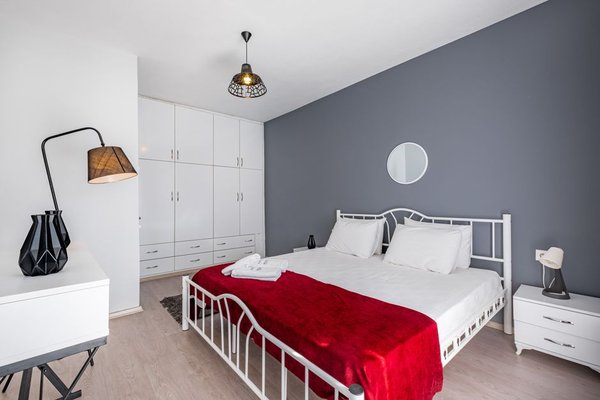
- Condo or townhouse primary bedroom: Stage with a queen bed, two narrow nightstands, two lamps, and a simple bench only if the foot of the bed still has a clear passage.
- Open-plan dining area: Rent a four- or six-seat table that defines the dining zone without blocking the route between the kitchen and living area.
- Small apartment flex room: Use a compact desk, task chair, and one narrow storage piece to make an ambiguous alcove or spare room read immediately as usable workspace.
- Family-oriented secondary bedroom: A full or twin bed, one nightstand, and a small dresser can establish the room as a bedroom while preserving closet access.
- Large empty bonus room: Furnish it only when its purpose is otherwise difficult to understand; a small media grouping or desk setup is usually more useful than filling the whole room.
This is where home staging furniture earns its place: each item should explain size and function, not simply decorate. On a limited budget, fully stage a few important rooms rather than scatter isolated pieces throughout the home.
What furniture should you rent for a staged living room?
Rent the smallest complete seating group that makes the living room feel usable: usually a sofa, coffee table, one or two chairs, a rug, and one or two side tables. Keep the arrangement centered on the room’s natural focal point without pushing every piece against a wall.
For a 12 x 15 ft living room, a sofa around 72 to 84 in long is easy to place. A coffee table about two-thirds the sofa’s length stays in proportion, while one accent chair can show extra seating without closing the room visually.
If you plan to paint before the furniture arrives, Benjamin Moore Pale Oak at #D8CFC4 is a practical, specific wall choice to test because it gives rental furniture a quiet background without making the walls visually dominant.
#D8CFC4 · Benjamin Moore Pale Oak
Reads warm and very slightly pink in south-facing light. In a north-facing room it drops noticeably grayer. Use it on walls and ceiling, roughly 60 percent of the room.
Keep the rest restrained. One rug large enough to catch the front legs of the sofa and chairs does more for scale than several small accessories, while a floor lamp can help a dark corner in listing photos.
What pieces work best in staged bedrooms and dining rooms?
Bedrooms need a clearly scaled bed and just enough supporting furniture to show circulation, while dining rooms need a table-and-chair set that proves the room can function without blocking adjacent paths. Avoid dressers, benches, buffets, and extra chairs unless the room is large enough to carry them comfortably.
In a typical primary bedroom, a queen bed at 60 x 80 in shows realistic use without consuming the floor area of a king. Two nightstands around 18 to 24 in wide can frame the bed while keeping doors and closets accessible.
For dining, choose a table that leaves about 36 in from the table edge to the nearest wall, cabinet, or major traffic route where chairs need to pull back. A 60 x 36 in rectangular table can stage many four- to six-seat dining areas without making the room look tighter than it is.
If you need temporary home staging furniture, prioritize simple silhouettes and moderate visual weight. Highly sculptural pieces may photograph dramatically, but they can distract buyers from judging room proportions.
How do you choose rental furniture sizes for the room?
Measure the room before ordering, then plan the furniture footprint with door swings, windows, vents, fireplace clearances, and walking routes included. The right rental size is the one that leaves obvious open floor around the furniture while still showing how the room can be used.
- Sofa length in a 12 x 15 ft room 72 to 84 in
- Sofa to coffee table 16 to 18 in
- Walkway behind a sofa 30 in minimum
- Dining chair clearance 36 in from the table edge
- Queen bed size 60 x 80 in
- Living room rug 8 x 10 ft in a 12 x 15 ft room
Use painter’s tape to mark sofa, bed, table, and rug footprints before ordering. Check that walking paths remain clear, doors open fully, and furniture does not crowd the doorway sightline.
A furniture rental for home staging plan should also account for delivery access. Measure stair turns, elevator doors, entry doors, and narrow hallways before choosing deep sofas or bulky bed frames, because a piece that fits the room but cannot reach it is not a useful rental.
For online listing photos, leave some visible floor around major pieces. Furniture that fills nearly every inch can make even a correctly measured room look smaller on a phone screen.
How long should rented staging furniture stay in the property?
Keep the furniture in place through professional photography, the first showings, and the period when most serious buyers are expected to see the property. Remove it only when the sale process has moved far enough that keeping it no longer adds meaningful presentation value.
Because rental agreements vary, match the rental term to the listing plan instead of automatically choosing the shortest period. Allow time for delivery before photography and keep the setup through the main showing cycle.
If you rent home staging furniture for an occupied home, decide in advance what existing pieces will leave the room. Adding rentals on top of too much owner furniture creates clutter, increases handling, and can make circulation worse instead of better.
For a vacant property, home staging rental furniture is easiest to manage when delivery, photography, showings, and pickup are coordinated before the listing goes live. That keeps the property consistent online and in person.
When does rented staging furniture not make sense?
Rental furniture is not automatically worth using in every property. In a very small room, even correctly scaled pieces can make the floor plan feel tighter than an empty room, especially when buyers need to see awkward corners, low ceilings, or limited storage clearly. In an occupied home, rentals can also be a poor use of money if the existing furniture is already clean, well-sized, and easy to edit down.
Some staging ideas work mainly in photographs. A large rug, extra accent chair, bench at the foot of a bed, or decorative console can create a finished image while making the real walking route worse. Skip those pieces if they reduce a main passage below about 30 in or interfere with a door, closet, or cabinet.
On a tight budget, spend first on cleaning, repairs, lighting, and the rooms buyers struggle to understand. Homes with pets or young children may also need fewer delicate rental items because damage risk and daily maintenance can outweigh the visual gain.
Frequently asked questions
Can you rent furniture for just one room?
Yes. Renting for one room can make sense when the rest of the home is already furnished or when one vacant space is difficult for buyers to understand. The living room or primary bedroom is usually the most useful single-room choice.
Should a staged living room include a television?
Usually not unless the room’s layout is confusing without one. A simple focal point, such as a fireplace or a clearly arranged seating group, can explain the room without making a television screen the most prominent object in listing photos.
Do furniture rental companies also provide rugs and lamps?
Many staging rental providers offer accessories as well as major furniture, but inventories differ. Confirm rugs, lamps, artwork, delivery, setup, and pickup are included before you assume they are part of the package.
What happens if rented staging furniture is damaged?
Damage policies depend on the rental provider and contract. Read the agreement before delivery so you know who is responsible for stains, scratches, pet damage, missing accessories, and other losses while the furniture is in the property.
Can rental furniture stay during open houses and private showings?
Yes, and that is usually the point of staging a vacant property with rentals. Keep the rooms arranged consistently so buyers who arrive in person see the same sense of scale and function that appeared in the listing photos.
Good staging rentals make rooms easier to read, not more decorated. Choose fewer pieces, measure every route before delivery, and keep home staging furniture for rent focused on the rooms where scale and function matter most to a buyer’s first impression.