
What are some light supper ideas for an easy evening?
Good light supper ideas combine a modest portion of protein, vegetables, and a simple carbohydrate so dinner feels satisfying without being oversized. Try soup with toast, a vegetable omelet, a grain bowl, a small pasta portion, or a composed salad. Keep serving sizes practical and choose a setup that makes the meal easy to assemble and clear away.
A light supper should still feel like a real meal. Build one plate or bowl around protein, produce, and enough bread, rice, potatoes, or pasta to make it satisfying.
Which light suppers are filling without feeling heavy?
The most satisfying options pair protein and fiber rather than relying on a very small portion of one food. For most adults, a supper built around roughly 3 to 5 oz of cooked protein, 1 to 2 cups of vegetables, and a modest serving of grains or bread is a practical starting point that can be adjusted for appetite.
These healthy light supper ideas are meant to be complete enough for dinner, not snack plates disguised as meals. They also fit naturally with broader light meal ideas when you want several low-effort options in rotation.
- Tomato and white bean soup with whole-grain toast: Use about 1 1/2 cups of soup per person and one slice of toast. The beans add protein and fiber, while the toast makes the bowl feel complete without turning it into a large dinner.
- Vegetable omelet with a side salad: Make a two-egg omelet per person with about 1 cup of chopped vegetables, then add 1 to 2 cups of salad leaves on the side. A small piece of whole-grain toast works well if you need more staying power.
- Chicken and cucumber grain bowl: Start with 3 to 4 oz of cooked chicken, 1/2 cup cooked brown rice or quinoa, and at least 1 cup of chopped cucumber, tomatoes, and greens. A spoonful of plain yogurt with lemon makes a simple dressing.
- Salmon with green beans and baby potatoes: Serve a 4 oz salmon portion with about 1 cup of green beans and 5 to 6 oz of small potatoes. Keep the plate simple with lemon, pepper, and a small amount of olive oil rather than a heavy sauce.
- Chickpea and chopped vegetable pita: Fill one small whole-wheat pita with about 3/4 cup of chickpeas and chopped vegetables. Add yogurt or tahini sparingly so the filling stays fresh and easy to eat.
For variety without extra work, keep a few light food ideas on your weekly list and change only the protein or vegetable from night to night.
What can you serve for a quick weeknight supper?
A quick weeknight supper works best when at least one component is already cooked or requires almost no preparation. Leftover grains, rotisserie chicken, canned beans, eggs, bagged salad greens, frozen vegetables, and whole-grain bread can turn into a complete meal in about 10 to 20 minutes.
Keep assembly simple: one bowl, skillet, or tray with protein, produce, and a modest carbohydrate.
- Ten-minute bowl: 1/2 cup cooked grain, 3 to 4 oz cooked chicken, 1 cup vegetables, and a spoonful of dressing.
- Fast egg supper: Two eggs, sautéed or microwaved vegetables, and one slice of whole-grain toast.
- No-cook plate: 3/4 cup chickpeas or beans, chopped vegetables, a small pita, and plain yogurt or hummus.
- Freezer-first meal: Frozen vegetables heated with leftover rice and a cooked protein, seasoned at the end.
For hot-weather evenings, light supper ideas for summer can be even simpler: chilled grain bowls, chopped salads with beans or chicken, yogurt-based plates, and sandwiches with crisp vegetables all avoid long oven time. If you are using cooked leftovers, refrigerate them promptly and keep cold food chilled until you are ready to eat.
Which light suppers work well for two people?
Meals for two are easiest when you can divide one pan, one bowl, or one small package cleanly between two plates. Aim for a recipe that makes two generous servings or four smaller servings, so you are not forced into awkward leftovers.
A salmon-and-vegetable tray, two omelets, a small pot of soup, or a grain bowl made from 1 cup cooked grain plus 6 to 8 oz cooked protein all scale neatly. Choose one of these instead of preparing several separate sides.
- Soup night: About 3 cups of soup total, two slices of toast, and a simple salad.
- Taco night: Four small tortillas, 6 to 8 oz cooked protein, shredded cabbage, salsa, and lime.
- Grain bowl night: 1 cup cooked grain, 6 to 8 oz protein, and 2 to 3 cups chopped or cooked vegetables.
- Pasta night: About 2 to 2 1/2 cups cooked pasta total with vegetables and a lighter sauce.
If one person wants a bigger meal, increase that person’s grain, bread, or potato portion rather than doubling the whole recipe. That keeps the base meal aligned with the same light ideas while making the serving flexible.
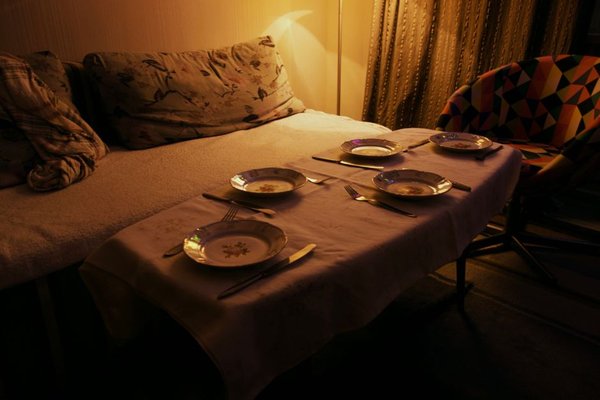
How can you set up a simple supper table with useful serving space?
For two people, the goal is to keep the center of the table usable rather than decorative. A 36 x 36 in square table or a round table about 36 to 42 in across gives two diners comfortable space for dinner plates, water glasses, and one or two shared dishes without requiring a large dining room.
Use dinner plates about 10 to 11 in across and keep shared bowls or platters to about 10 to 12 in wide. Leave at least 24 in of table width per person, and keep tall centerpieces off the table so you can see across it and reach the food easily.
- Table width per person 24 in minimum
- Two-person square table 36 x 36 in
- Two-person round table 36 to 42 in diameter
- Dinner plate diameter 10 to 11 in
- Shared serving bowl width 10 to 12 in
- Chair pull-back clearance 36 in
If the dining nook needs a painted backdrop, one workable reference is Benjamin Moore Pale Oak matched to #D8CFC4. Keep the color across the walls and ceiling rather than adding several competing accents around a small table.
#D8CFC4 · Benjamin Moore Pale Oak
Reads warm and very slightly pink in south-facing light. In a north-facing room it drops noticeably grayer. Use it on walls and ceiling, roughly 60 percent of the room.
Prioritize open table space. Keep one shared dish in the center and move extra serving pieces to a nearby counter or sideboard if the table is under 42 in wide.
When does a light supper setup not work well in a small dining area?
A light supper can be simple, but some versions only work in a photograph. A tiny bistro table crowded with a large serving board, multiple side plates, candles, flowers, and several glasses may look polished from one camera angle, yet leave almost no space to eat. If your table is under about 30 in wide, serve food from the kitchen rather than placing every dish in the center.
The same applies to very small portions. A few crackers, sliced vegetables, and dip may look elegant, but they are not a useful dinner for someone who is genuinely hungry after work. Add a real protein source and a measured serving of bread, grains, potatoes, or pasta. Families with young children also benefit from fewer breakable serving pieces and a clear center rather than decorative clutter. In a rental, do not drill into walls or alter fixed lighting just to make a supper corner feel styled; use the table, portable lighting, and removable accessories you already have.
Frequently asked questions
Can a light supper include pasta?
Yes. Keep the cooked pasta portion around 1 to 1 1/4 cups per person and add vegetables plus a moderate amount of protein or cheese. A vegetable-heavy pasta bowl can feel complete without becoming a large, sauce-heavy dinner.
What can I make for a light supper without cooking?
Try a chickpea pita, a Greek yogurt savory bowl, a turkey-and-avocado open-face sandwich, or a composed salad with beans. Include protein and a modest carbohydrate so the meal is more satisfying than a snack plate.
How much food should I plan per person?
A practical starting point is 3 to 5 oz of cooked protein, 1 to 2 cups of vegetables, and a modest serving of bread, grains, potatoes, or pasta. Appetite, activity, and individual nutrition needs vary, so treat those amounts as meal-planning guides rather than fixed rules.
Can I prepare a light supper ahead of time?
Yes. Cook grains, roast vegetables, wash greens, and prepare proteins in advance, then assemble portions when you are ready to eat. Refrigerate perishable foods promptly and keep cold components chilled until serving.
What makes a light supper feel more satisfying?
Protein, fiber, and a sensible carbohydrate portion usually make the biggest difference. Build the meal around beans, eggs, fish, poultry, yogurt, or lentils, then add vegetables and enough bread, grain, potato, or pasta to suit your appetite.
The best light supper ideas are easy to portion, quick to serve, and substantial enough to count as dinner. Keep a handful of repeatable combinations on hand, then adjust the protein, vegetables, and carbohydrate to match the season, your schedule, and how hungry you actually are.